> why do we have all these pylons every 100 ft if we only need them every XXX ft?
Because most of the time people want to have their design include a safety factor.
Further there's a huge difference between "what this system is designed to do all day every day" and "what this system will do in the 5 minutes between an earthquake beginning and the time that the system is fully halted until repairs can be made"
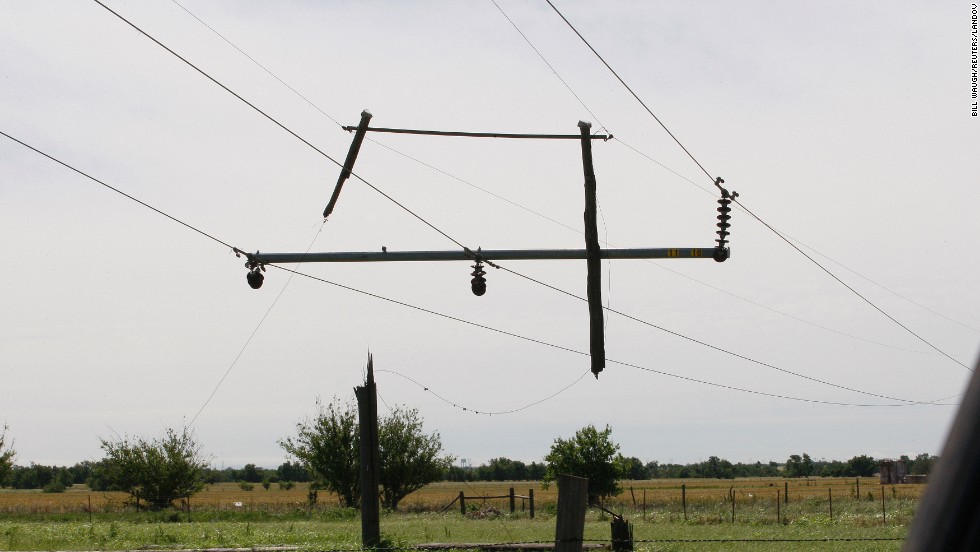
Have you ever seen the remains of a power pole hanging from a power line? That would seem to indicate that there exists excess strength in the system, or that the line support structures are substantially overbuilt.
http://i2.cdn.turner.com/cnnnext/dam/assets/130601193956-15-...
I suspect that in a hyperloop you could lose 5-10 pylons in a row and what would happen is that the tube would sag well beyond normal operational parameters between the remaining pylons, quite possibly even touching the ground. The reason that so much extra strength will probably exist in the system is that there's a limit to how much deflection you can tolerate without jostling passengers too much for them to buy tickets on a regular basis. And that small deflection means that there's a lot of extra strength in the system, even though it's not strictly needed just to hold things up.
This is why machine tools have giant castings well in excess of the strength needed for the machine to stay together. It's because the Young's modulus matters far more than the yield strength or the ultimate tensile strength when you're trying to build a machine that can hold a sub 0.001" tolerance.
So if you happened to be traveling in that overbuilt tube at 500mph just after it's fallen to the ground, you'd quite likely bump (or smash) your head on the sides and ceiling of your vehicle.
But what you wouldn't do is slam into the dirt that's now at the end of the tube like you would if your buried concrete tube was sheared 20ft by a fault line.