Earlier quoted context omitted.
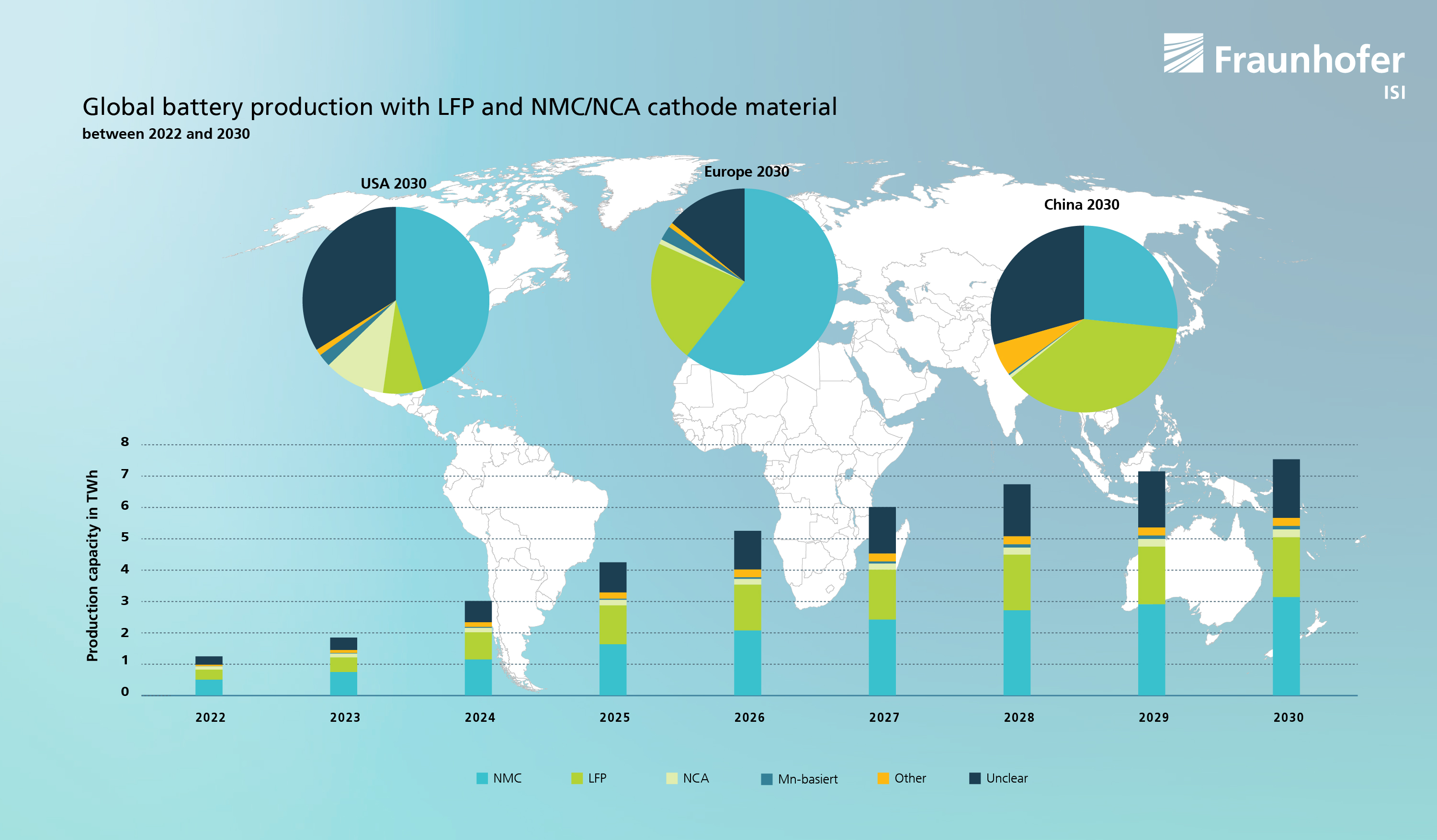
"Mostly from Australia and Chile" seems like the opposite of baggage, that sounds like about the best you could hope for in a global commodity, so many of which come from unstable regions, conflict regions, or outright adversaries. Yes, I know that China does most of the refining/assembly, but that has little to do with the chemistry. "Building new Na-ion capacity outside China" is probably even harder than "building…
Let's unpack it then. You've stated: >"Mostly from Australia and Chile" seems like the opposite of baggage, that sounds like about the best you could hope for in a global commodity, so many of which come from unstable regions, conflict regions, or outright adversaries. So let's break it down with some facts (all easily searchable.) (1) The graph states that Australia is the largest producer of Lithium, and states tha…
> [the commencement of mass production of Na batteries in the USA] refutes the core premise of your statement
How so? This plant is one tiny step on a very, very long road. I'm glad to see it happen, but extrapolating the outcome of a race from the first few steps would be incredibly foolish. China can build Na-ion too, so the question becomes whether the difference in chemistry creates an advantage for one party or another.
> unlike Li batteries, the materials are trivially sourced domestically
So China can cut out the only part of the supply chain that leans towards the US sphere of influence, while the US gets a discount on shipping? This isn't the own you think it is.