There is one problem with the whole story which is that from the viewpoint of a refugee it does not matter what agreements European countries make amongst each other if that knowledge does not make it to the intended recipients.
The various EU countries that agreed to this tried very hard to make the whole refugee problem 'somebody else's problem'. By making the Southern countries ('first country of contact') the ones where they should apply for asylum. But there is no mechanism in place that stops people from moving and of course - conveniently - it would make it a non-issue for any of the Northern countries since legally no refugees would be able to apply for asylum there (that didn't stop anybody).
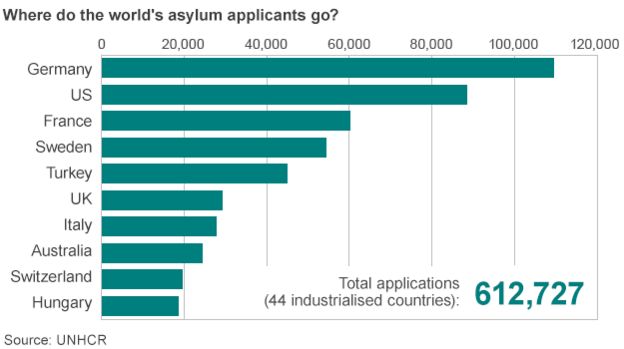
The exception is the UK, and that's where this particular camp comes into play. If the UK would not be an island then this camp would not exist. The fact that so few people end up there shows that borders in the EU really are all about physical barriers. Once in the Schengen area nothing stops you from moving about.
On another note: not all those that land in the EU are aware of these agreements, it's nation states that agreed to this, but they forgot they needed the consent of the refugees themselves as well, who - smart move - do not necessarily want to overstay their welcome in Spain, Greece, Turkey and Italy but would rather spread out a bit. And those countries really are already stretched to the breaking point when it comes to their capacity to accept newcomers so it is actually a good thing that there is a natural tendency to spread out over a much larger surface area.
The Calais camp is a simple artifact of the fact that the North Sea exists, without the sea it would be gone in a few days and those people there have nothing to lose trying to get to the other side. They risked their lives to get there they likely will not stop simply because there is a bit of water.
See the daily run at trucks trying to hide on them to get to the UK.