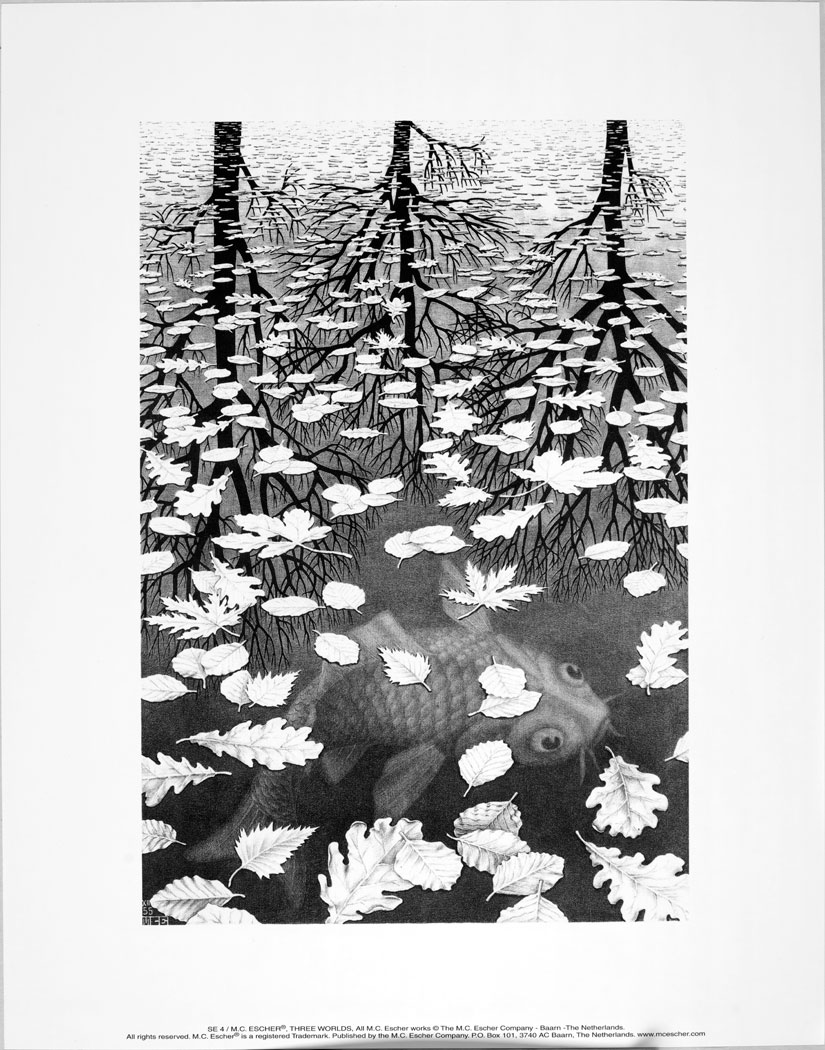
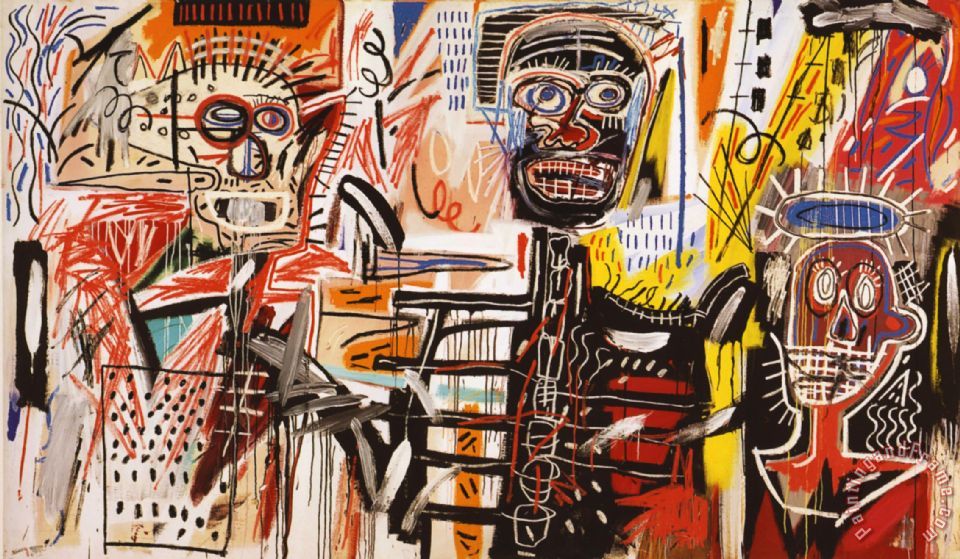
I've always felt that people didn't really regard Escher as an artist because his works are too straight forward. He manages to take his thoughts on infinity, beginning and end, dimensions and other philosophical and mathematical concepts and put them into drawings in a very clear way. To me, this feels like incredible talent. But perhaps the artist world balks at such straight forwardness. Things need to be more abs…
My ex-wife Bonita Hatcher is an abstract video artist; that is, she doesn't make TV shows, she makes videos that often don't make a whole lot of sense to anyone. What you describe is "Didactic Art" that is, art whose message is plainly apparent. My take is that Didactic Art is in fact quite important, it serves society in many profoundly important ways. That Napoleon was eventually defeated was the result - in part -…
I think this is still true, or at least aesthetic objections remain the principal rationalizations for deprecating Escher that I hear from the artists in my life.
My wife and I live in The Hague. She's an illustrator and photographer from a family of artists: her mother, a painter and now an art therapist; her sister also an art therapist; her father, an abstract painter. (Not as hobbies, or idle trustafarian pursuits, these are their real livelihoods.) When her family comes to visit, "going to see the Escher museum" is a recurring joke, as in "ha ha, never going to do that." Whenever I ask why, the mumbled complaint is usually "it's ugly and boring."
Really, 'reviled' remains the right word.
I think it's snobbery, to a great and unacknowledged degree - the visual art equivalent of "genre fiction" in the literary world. The problem I have with lumping Escher with hack painters of cowboys and motorcycles, or airbrushers of vans as "unserious art" is that it ignores his innovations in subject, form, and style and mastery of technique. But then, the "serious" art world of the west is very much a class construct of which snobbery is essential part.