This post is full of mistakes and unclear thinking. I can't figure out what the author is arguing against or for. Is she against quantifying wealth? I'm not sure. Is she against working hard? Maybe. Does she think it impossible to quantify happiness and well-being? I get the impression she does. First, the author made a huge mistake when talking about GDP. Her comparison used absolute instead of per-capita values. In…
If you're attempting to find a productive rhetorical truth in a piece about shedding productivity as a focus, you're missing the point. In fact, you're arguing that she should 1) be able to quantify happiness, 2) consider life-expectancy as a proxy for life quality, and 3) pursue optimizing life by quantifying and measuring it. I think you're missing many points. The whole idea—the wisdom, if you will—is that you los…
I hope you take this the right way, but this position is very California-ized pseudo-Zen. Many of the most well-regarded Zen practitioners and teachers very much would have savaged it, EX:
http://en.wikipedia.org/wiki/Hakuin_Ekaku
http://en.wikipedia.org/wiki/Hakuin_Ekaku#Opposition_to_.22D...
> "One of Hakuin's major concerns was the danger of what he called "Do-nothing Zen" teachers, who upon reaching some small experience of enlightenment devoted the rest of their life to, as he puts it, "passing day after day in a state of seated sleep". Quietist practices seeking simply to empty the mind, or teachers who taught that a tranquil "emptiness" was enlightenment, were Hakuin's constant targets. In this regard he was especially critical of followers of the maverick Zen master Bankei. He stressed a never-ending and severe training to deepen the insight of enlightenment and forge one's ability to manifest it in all activities. He urged his students to never be satisfied with shallow attainments, and truly believed that enlightenment was possible for anyone if they exerted themselves and approached their practice with real energy."
Hakuin, who is pretty damn amazing and certainly lived an amazing life by almost anyone's standards, wrote that after achieving some basic glimpses enlightenment, you ought to be out helping people and doing good things.
You'll see that in non-priest Zen practitioners, too. Miyamoto Musashi's ink paintings show such a depth of clarity and a sort of both sad and beautiful aliveness:
http://upload.wikimedia.org/wikipedia/commons/0/00/Kobokumei...
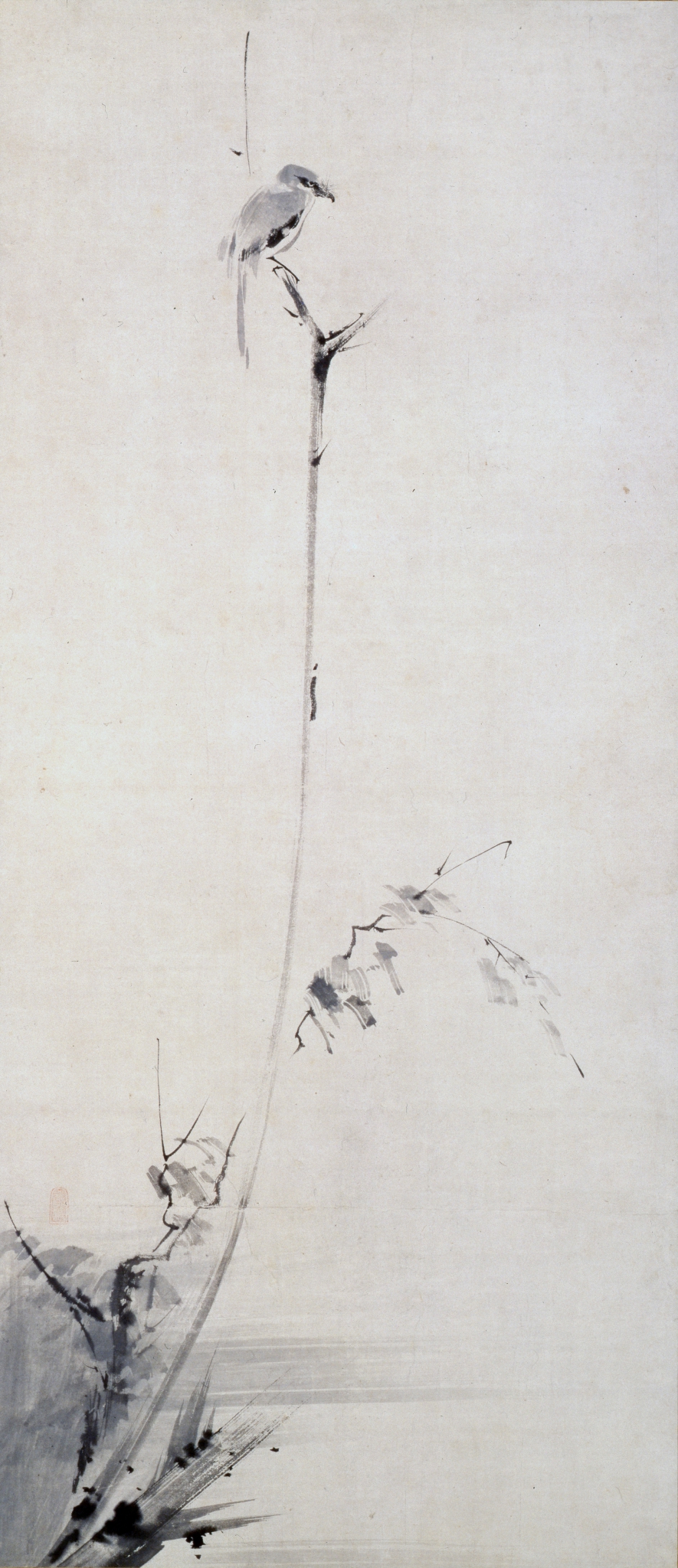
In any event -- I think Hakuin, Musashi, Dogen, etc all would reject "clearer and muddier" intellectualism in favor of actually practicing and doing worthwhile things:
Dogen: "To practice the Way singleheartedly is, in itself, enlightenment. There is no gap between practice and enlightenment or zazen and daily life."
http://en.wikipedia.org/wiki/D%C5%8Dgen
Anyway, I mean this with all the most respect. The Zen practitioners that really stand the test of time and made a difference in their communities are ones that saw it less as an intellectual orientation, and much moreso as a very actionable way of life.
