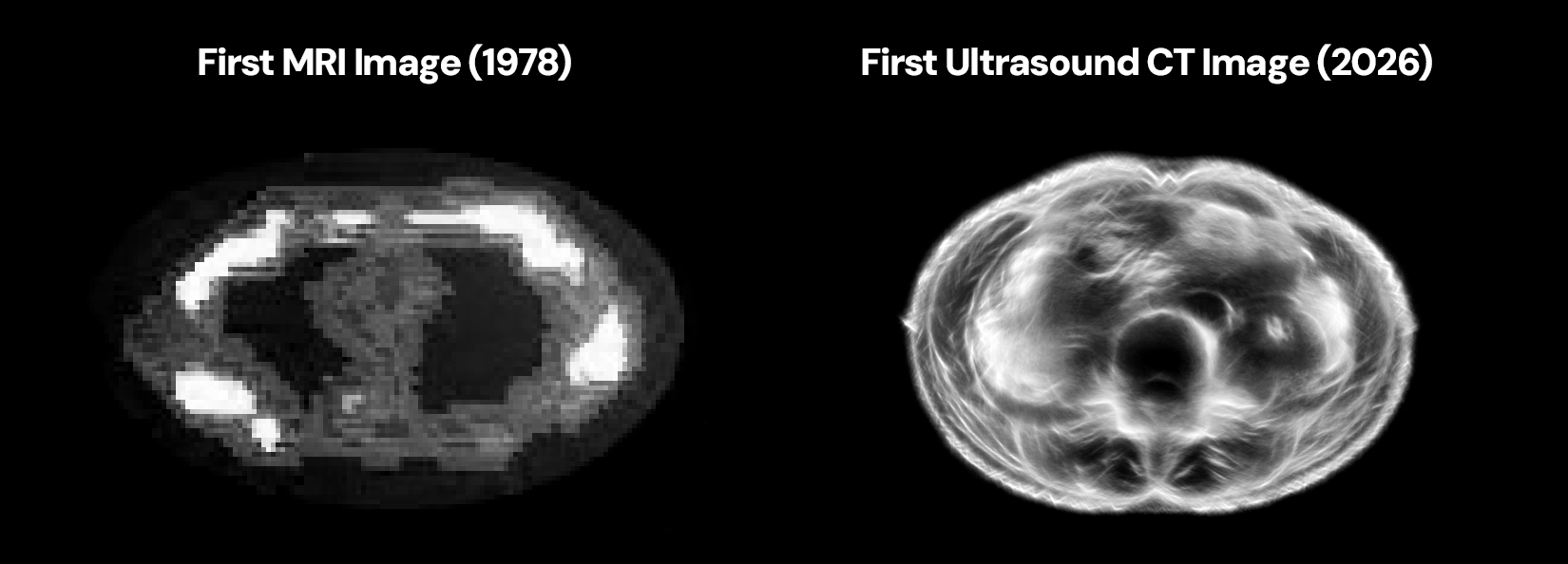
Earlier quoted context omitted.
> it's _git gud_ There are physical limits to detection and technical parameters that make some situations indeterminate even for the best of the 'gud'. It is frustrating that, hearing an argument from many different individuals over a long time, you assume that each speaker is missing the critical insight that you possess. > but the tools to make scalable, calibrated risk estimates based on large data dumps is getti…
I go to the doctor every year for a checkup without symptoms. Why a year? Why not every six months? Two weeks? Day? If the false positive rate is demonstrably low, I can't see the risk. People who think they need a doctor will go to a doctor with or without a fancy scan. People who want to play armchair physician will play armchair physician with or without a fancy scan.
The false positive rate is the entire risk.
When you go to the doctor for a physical they don't run all of the blood tests they can. They only run them for specific symptoms and for specific preventative measures where we've calculated that the benefits outweigh the risks of a false positive.
Some tests have been removed from routine exams, or at least discouraged, because they were producing more false positives and harm than what they were saving.
Full body scans are deep on the end of the spectrum of tests with high false positive rate when ordered without supporting symptoms. That's the risk.
> People who think they need a doctor will go to a doctor with or without a fancy scan. People who want to play armchair physician will play armchair physician with or without a fancy scan.
Not really how it works in real life. When you get a full body scan, especially with ultrasound, there are a lot of benign things that can show up that vaguely look like non-benign things. Even if the interpretation is "probably nothing", many people start worrying and think they need to get more tests just to be safe. Even people who don't see themselves as "armchair physician" will start thinking that they should at least rule out the worst case because they wouldn't want to die of cancer having known that something might have been there.