Live data from Hacker News

It’s not mold, it’s calcium lactate (2018)

thephcheese.com

81–90 of 236 posts

Re: It’s not mold, it’s calcium lactate (2018)

#81
post #10

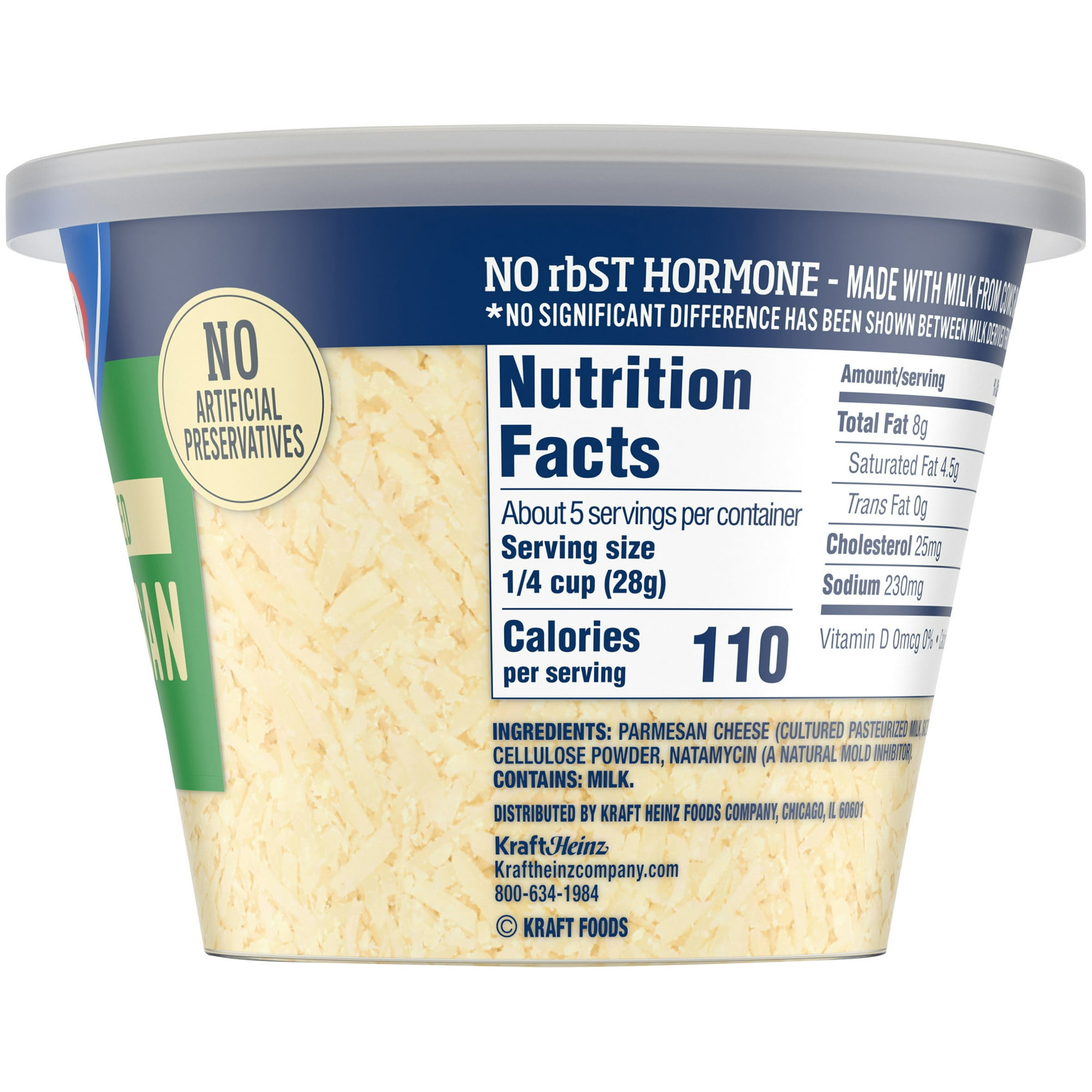
Tangential, but I recently noticed that natamycin, an antifungal agent, is being used in packages of shredded cheese as a preservative. I was a little taken aback on seeing it, given that antibiotic stewardship has been pushed so much in the last decade. I realize that natamycin is an antifungal and not an antibiotic, and that mechanisms of developing resistance are likely different between eukaryotes and prokaryotes…

"True, fungi cannot survive if its host's internal temperature is over 94 degrees," says Neuman. "Currently, there are no reasons for fungi to evolve to withstand higher temperatures. But what if that were to change? What if, for instance, the world were to get slightly warmer? Now there is reason to evolve."

Google. "systemic mycoses" or "mycosis internal organs". It isn't just the {lungs, skin, mouth, throat, urinary tract} that can grow molds or yeasts.

A few related medical words: Cryptococcal meningitis, Mucormycosis, Blastomycosis, Histoplasmosis.

Hopefully your brain is warmer than 34°C - perhaps avoid trusting zombie HBO shows for medical knowledge.

I'm guessing they were riffing on the zombie-ant fungus: https://wikipedia.org/wiki/Ophiocordyceps_unilateralis
Re: It’s not mold, it’s calcium lactate (2018)

#82

Earlier quoted context omitted.

>The processed stuff in the bag seems to be plainly noticeable to me... Sure, when you're eating it by the handful, but when it's melted in a dish (the thing people typically use it for) you aren't going to notice.

> when it's melted in a dish (the thing people typically use it for) There are plenty of dishes that include unmelted shredded cheese. Salads and tacos are extremely common uses of shredded cheese here in the US.

Sure, and I also doubt people's ability to tell the difference in a blind taste comparison. People claiming to do so visually see the anti-caking agent, they don't taste it. It doesn't taste grainy. You can taste a bit of corn starch or cellulose directly and tell that it doesn't taste 'grainy' or even have much of a flavor at all.

Re: It’s not mold, it’s calcium lactate (2018)

#83
post #74

Earlier quoted context omitted.

I wonder if there's a confounding factor here, because that's precisely where I tend to notice it the most. The anticaking agent lends a grainyness to an otherwise smooth foodstuff. Are you thinking more of a cheese sauce, or cheese that gets melted into e.g. a burrito?

My family eats a lot of shredded cheese, pre and home shredded, I've never noticed in anything melted nor in anything where it's only half melted like tacos. Any graininess that might be present would be far offset by the other ingredients, but honestly I've never tasted any graininess. The anticaking stuff isn't even grainy, so why would the resulting cheese be grainy? You can lick a piece of pre-shredded cheese and…

> While cellulose is an anticaking agent, I don't think I've ever seen it used for cheese. Typically you see cheese using a modified corn starch.

I've seen potato, corn, and cellulose. I suspect the ideal choice depends on the type of cheese.

Here's shredded parmesan with cellulose for example:

https://i5.walmartimages.com/asr/42642acb-1802-40dd-bfa6-795...

Re: It’s not mold, it’s calcium lactate (2018)

#84
post #31

Earlier quoted context omitted.

Yeah, especially for things like cheese sauces I find that it's better to just grate it yourself. It will _not_ melt correctly otherwise, and the additives mess with sauces more than you'd think.

Agreed. I went down this rabbit hole last year, going as far as even buying sodium citrate that's supposed to help it melt together, with mixed results and awful taste. Never came close to anything resembling a well melted, good tasting sauce.

I too have experimented with sodium citrate.

I ended up with something reminiscent of movie-theater nacho sauce.

Re: It’s not mold, it’s calcium lactate (2018)

#85
post #30
post #25

Earlier quoted context omitted.

Tangent on tangent - in addition to the antifungal there is also anticaking agent (nothing crazy, often some type of flour) that noticeably changes the mouthfeel of cheeses that come pre-shredded. If you notice a grainy texture in your food, try grating it off a brick instead!

I have been shredding my own for a while, since it's typically cheaper. It just happened to be that I was feeling lazy one particular day and bags of shredded cheese were on sale.

We always have blocks of hard cheese and cheddars in the fridge and I feel fine cutting off any moldy bits. With the shredded stuff, I'll forget about it and we end up binning lots since its impossible to tease out the bad from the good.

Re: It’s not mold, it’s calcium lactate (2018)

#86
post #55
post #4

Visited Gouda in the Netherlands and learned this. Best cheese I’ve ever had.

Old aged gouda is the best cheese I ever laid on my tongue. We live in Switzerland next to French border, so there is no end to universe of fine aged original Gruyeres, Beaufort or even Cheddar (but that one probably worse than what one can get in UK), plus all AOC Italian ones. Simply hard cheeses with grain, there are hundreds to choose from. I love them all, but that gouda taste is something else to me and my wife…

L'amuse will blow the mind. One of the best cheeses out there and I've had hundreds.

Chällerhocker is another great one in your neck of the woods.

Re: It’s not mold, it’s calcium lactate (2018)

#87

Earlier quoted context omitted.

> when it's melted in a dish (the thing people typically use it for) There are plenty of dishes that include unmelted shredded cheese. Salads and tacos are extremely common uses of shredded cheese here in the US.

Sure, and I also doubt people's ability to tell the difference in a blind taste comparison. People claiming to do so visually see the anti-caking agent, they don't taste it. It doesn't taste grainy. You can taste a bit of corn starch or cellulose directly and tell that it doesn't taste 'grainy' or even have much of a flavor at all.

The point of the anti-caking agent is to prevent the cheese from sticking to itself, which inherently affects the texture of the cheese in your mouth... it doesn't stick to itself the same way freshly shredded cheese does, particularly if the cheese is soft and sticky like processed american cheeses. Although it is likely less noticeable for dryer and harder cheeses.

Re: It’s not mold, it’s calcium lactate (2018)

#88

Earlier quoted context omitted.

A) Sometimes it's cellulose - corn starch and other anti-caking agents are also used B) it's legally limited to 4%, not 10%

That's fine to say it is so on paper however the legal limit is not respected with several common household brands testing at 8-9% in last results I can find. They're incentivized to pad the product with anti caking agents to reduce cost, and it is essentially unenforced. Expect this to worsen as FDA is undergoing planned dismantlement.

Can you link to some of this testing?

Re: It’s not mold, it’s calcium lactate (2018)

#89
post #31
post #25

Earlier quoted context omitted.

Tangent on tangent - in addition to the antifungal there is also anticaking agent (nothing crazy, often some type of flour) that noticeably changes the mouthfeel of cheeses that come pre-shredded. If you notice a grainy texture in your food, try grating it off a brick instead!

Yeah, especially for things like cheese sauces I find that it's better to just grate it yourself. It will _not_ melt correctly otherwise, and the additives mess with sauces more than you'd think.

Pre-shredded cheese melts just fine, although I've never tried it in a straight cheese sauce (for those I just dice a block of cheese because it's easy and cheaper). But I use it in things like lasagna or other casserole type dishes, and I've never had an issue with its ability to melt properly.

Re: It’s not mold, it’s calcium lactate (2018)

#90

Earlier quoted context omitted.

Agreed. I went down this rabbit hole last year, going as far as even buying sodium citrate that's supposed to help it melt together, with mixed results and awful taste. Never came close to anything resembling a well melted, good tasting sauce.

I wouldn't do this in a restaurant but a quick cheese sauce for something like nachos. Just pop some shredded cheese in the microwave with some heavy cream or half and half. Adjust to taste / texture. Stir well. Mornay, citrate, and evaporated milk approaches work but I'm lazy so I just do the cream approach for "queso".

Honestly for a quick cheese sauce for nachos I don't think you can beat Velveeta. It doesn't get easier, and I prefer the flavor of American cheese for things like that.
Post reply on HN