Earlier quoted context omitted.
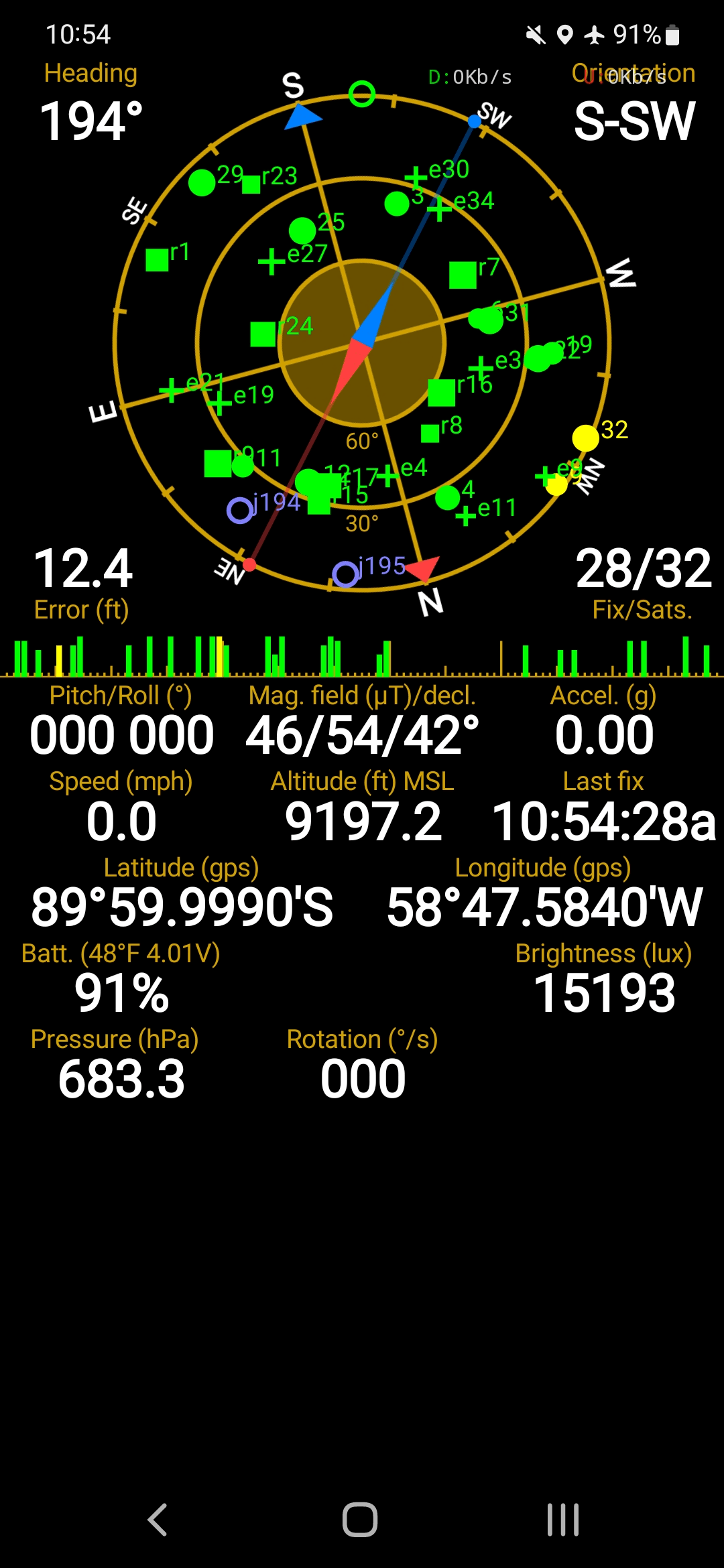
The south pole IS colonized. There is literally a colony there since 1956
A colony implies sustained long-term habitation by the same people; that's not true for the South Pole station, which is a research facility where people rotate out. As far as I know, the only country to try colonizing Antarctica proper has been Argentina, with a small number of families settling at Esperanza Base (at the north end of the Antarctic Penninsula) and a big fuss made about the first kids born on the Anta…
Checking via Wikipedia, the entire population of the continent (not just ASSPS) is 4,000, in the summer. It drops to about 1,000 in winter.
As you note, there've been several births (Wikipedia states 11), with those listed being Argentine.
https://en.wikipedia.org/wiki/Demographics_of_Antarctica>