> Both Javascript and the DOM are slow, there's no changing that.
The DOM isn't slow. Adding or removing a DOM node is literally a few point swaps, which isn't much more than setting a property on an OOP language object. What is slow is "layout". When Javascript changes something and hands control back to the browser it invokes its CSS recalc, layout, repaint and finally recomposition algorithms to redraw the screen. The layout algorithm is quite complex and it's synchronous, which makes it stupidly easy to make thing slow. Frameworks like React with virtual DOMs help you by redrawing on every state change, which will typically both speed things up significantly and also carry you through a lot of things that would break if you were using non virtual DOM frameworks like JQuery. You can get smooth and quick animations with JavaScript and the DOM, however, but only if you build things to limit what your application can do in a frame to operations which can be performed on the GPU.
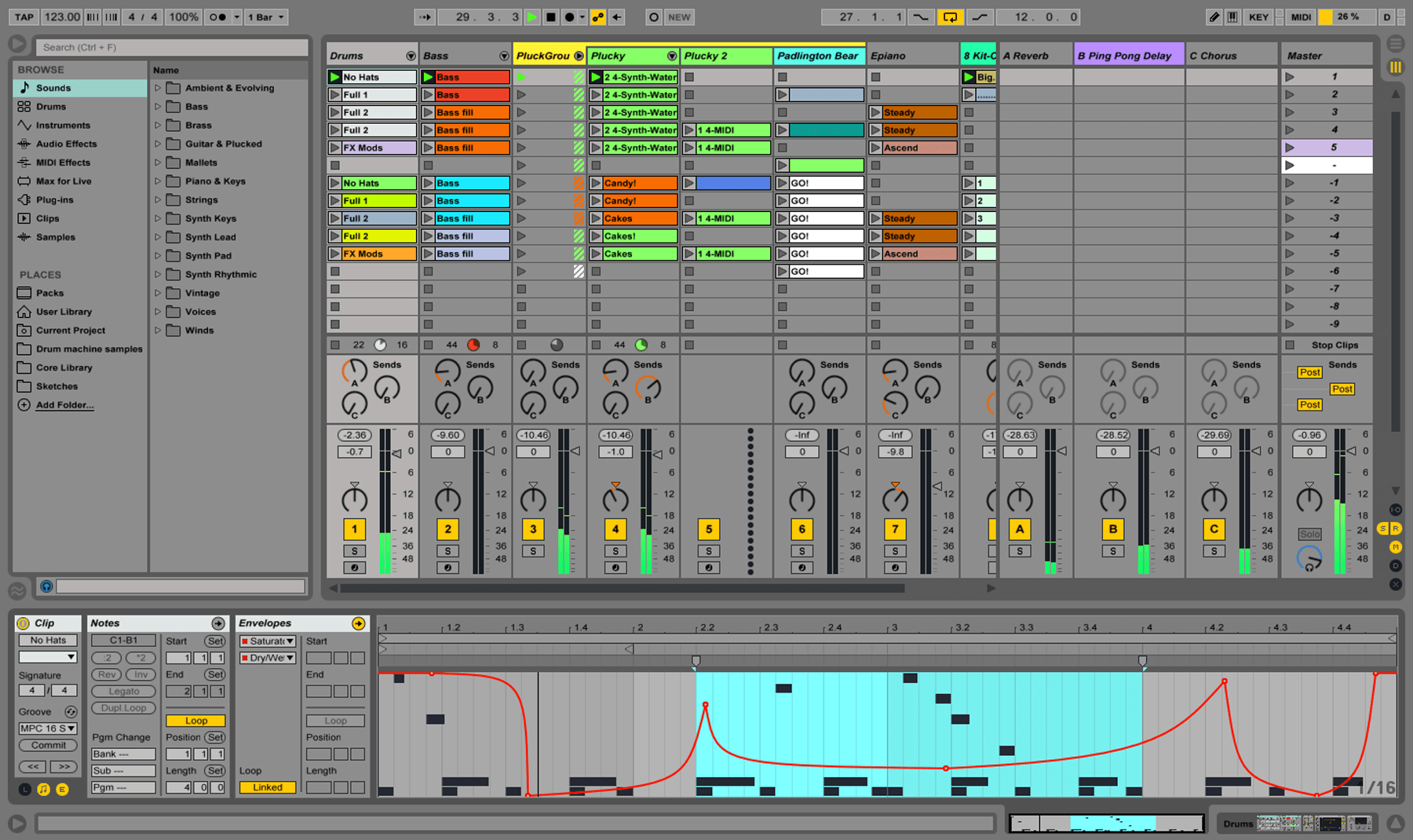
I can understand if that's not exactly an option for the author of this article, but I'm not convinced you couldn't get Electron (or similar) to work as a GUI framework for a DAW. I suspect Electron specifically might actually be a pretty good framework for DAW's, considering what Microsoft is doing with VSC. I also think that the downside of frameworks like Electron is that you need to be, not only Microsoft, but the Microsoft VSC team (and not the Microsoft Teams team) specifically, to bend them to your way.
That being said, I think this will likely be one of those things where you'd need to create a GUI framework (or bend one to your will) to really get DAWs to work for you. Because I think the author is spot on about the "state" of GUI frameworks in general.