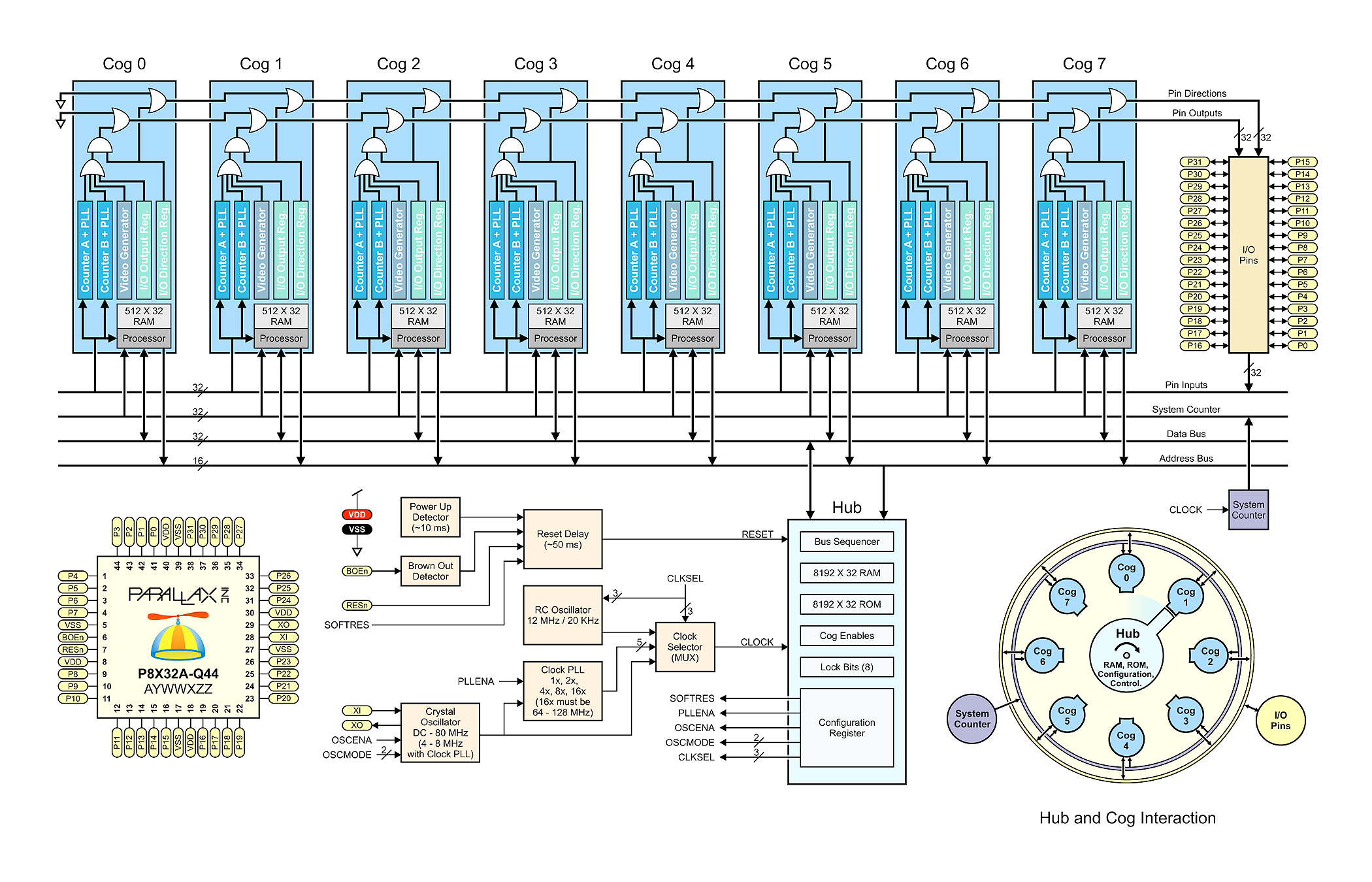
To me, it looks like the patent is for.... "hooking up memory together with several processors in a system, and having that system process 'media' data in parallel" with "processor" defined as "multiplier unit + arithmetic unit + arithmetic logic unit + bit manipulation unit" (quotes mine, not from the patent text). There's also a bit of stuff about how the arithmetic logic unit and the bit manipulation unit should be able to "operate concurrently" with some of the other units. It seems like this patent is basically for the idea of parallel processing on modern computers in general. If so, most of the computing industry infringes this patent today.
I'm not a hardware expert, though, and it's possible I'm missing something and the claim is more narrow. It depends on the exact definition of those processor components and whether this ability of some CPU sub-units to "operate concurrently" with others is common on modern computers.
All that aside, the patent seems to have no intellectual value whatsoever. I have no idea what the history of parallel processing is, but it definitely predates the writing of this patent in 1998. The only thing that seems even possibly new is a tiny bit of text specifying which units should be able to operate concurrently with other units. Is that supposed to be the novelty that we're protecting with the power of the law for 20 years?
The point of patents is that the public benefits from novel invention ideas being published, in exchange for the publisher getting exclusive rights to the idea for a few years. The public can build upon the idea sooner if it's published earlier. In what universe do we imagine that someone reads this patent claim and is enlightened and inspired to build upon it?
How is this patent anything but yet another insane, horrific abuse of the system?