You are not the first to think about this.
You need to consider how freaking gigantic this thing is. It literally like a huge building falling out of the sky. That scale alone makes most of these solutions silly.
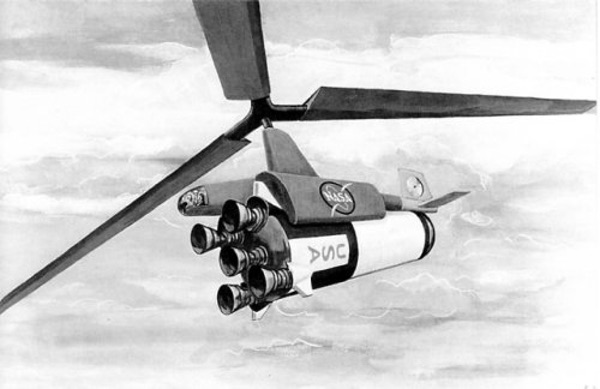
Here for example NASA idea for the Saturn V: https://thespacereview.com/archive/3741a.jpg
The problem with ideas like this is that you have to develop another huge difficult large scale engineering project. That you need to maintain, update operate and so on.
And even if you do that, is this gigantic device actually more stable then just relaying on your well tested well engineered rocket engine?
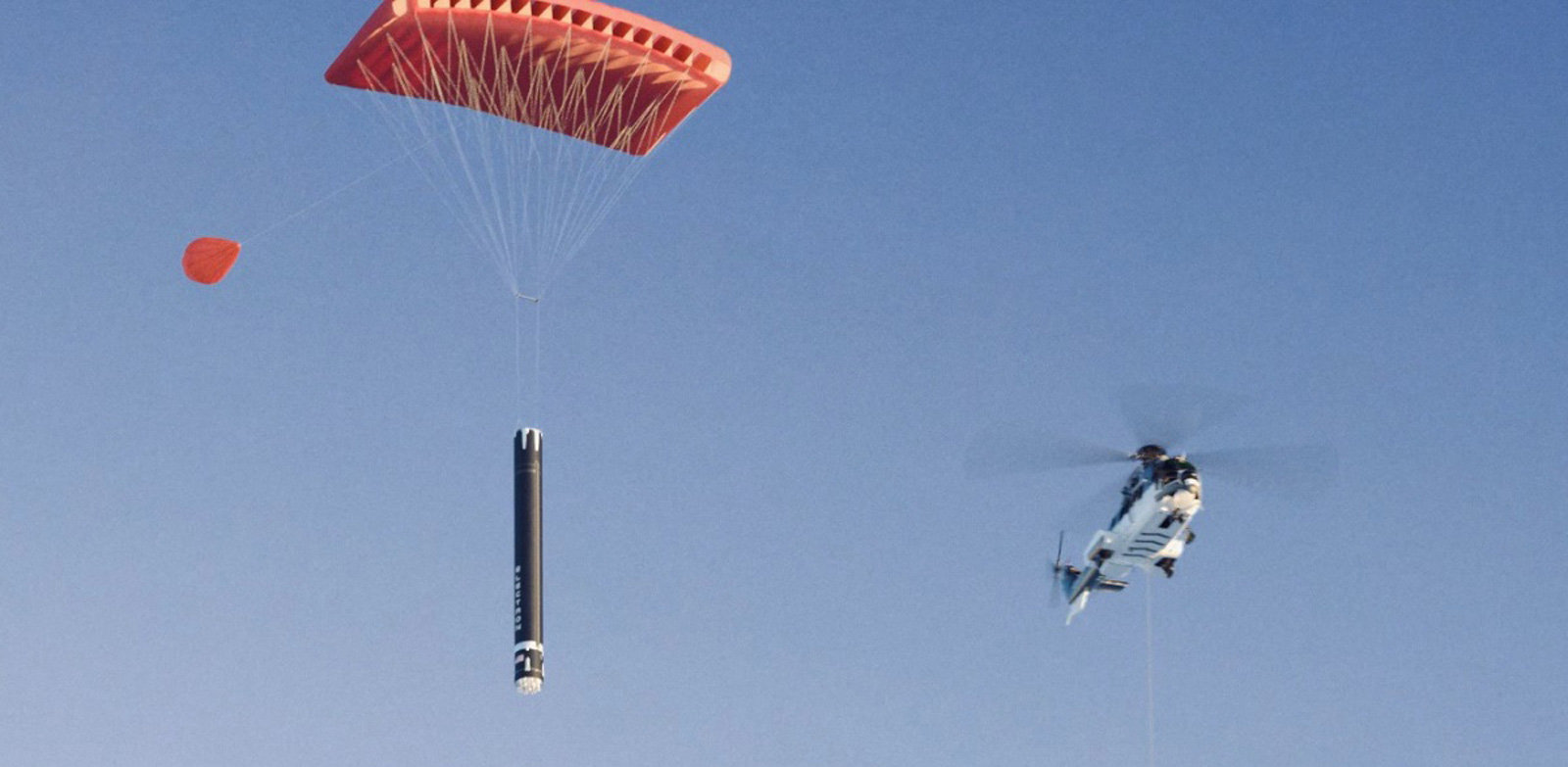
On smaller vehicles you can do air capture because you can use commercial helicopters.
See RocketLab doing this currently: https://cdn4.dogonews.com/images/e97aac75-0e4b-442e-b484-a71...
Now, parachutes simply don't scale that large. It simply doesn't work.
> I just wouldn't trust my family on a rocket like this, feels very pre-mature. Like there's something missing to ensure it doesn't do a back flip at the end...per se.
Well it is pre-mature. Nobody denies this. This is the first vehicle ever to fly a Full-Flow Stage Combustion engine. Its one of the single biggest flying devices ever made by humans. It uses a re-entry procedure that has never been done before. With a combination of structure and heat shield that has never been done before. With a landing maneuver that has never been done before.
This will likely fly 100 times before humans get on it, and then only astronauts.
All that said however, there is no inherent reason why relaying on your engine and thrusters should be unstable. You can have redundancy in those systems.