Actually, they might not be able to.
Everything comes with a cost when you're working in silicon. You can add more cores, yes, but to do so, you either must make each core smaller, or increase the maximum distance between two cores.
This is important, because the longer the distance, the harder it is to maintain e.g. cache coherency between all cores. There's a physical limit to the speed electrons travel, and you have to account for that.
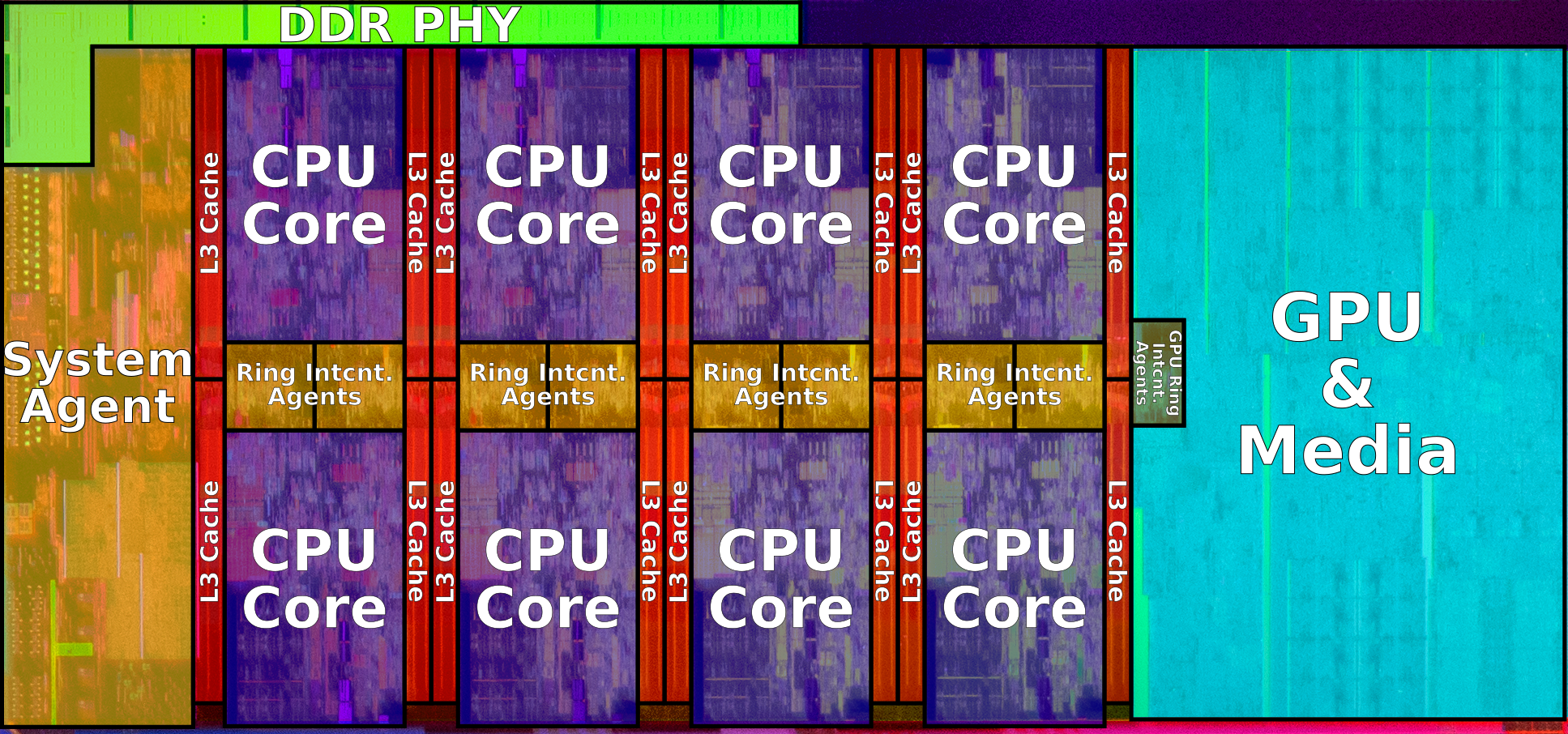
Intel's designs rely on pretty teeny cores with small L1{I,D} caches and small private L2 caches on a ring bus topology, with the iGPU on one polar end, and the system agent/memory controllers on the other ends. [0] [1]
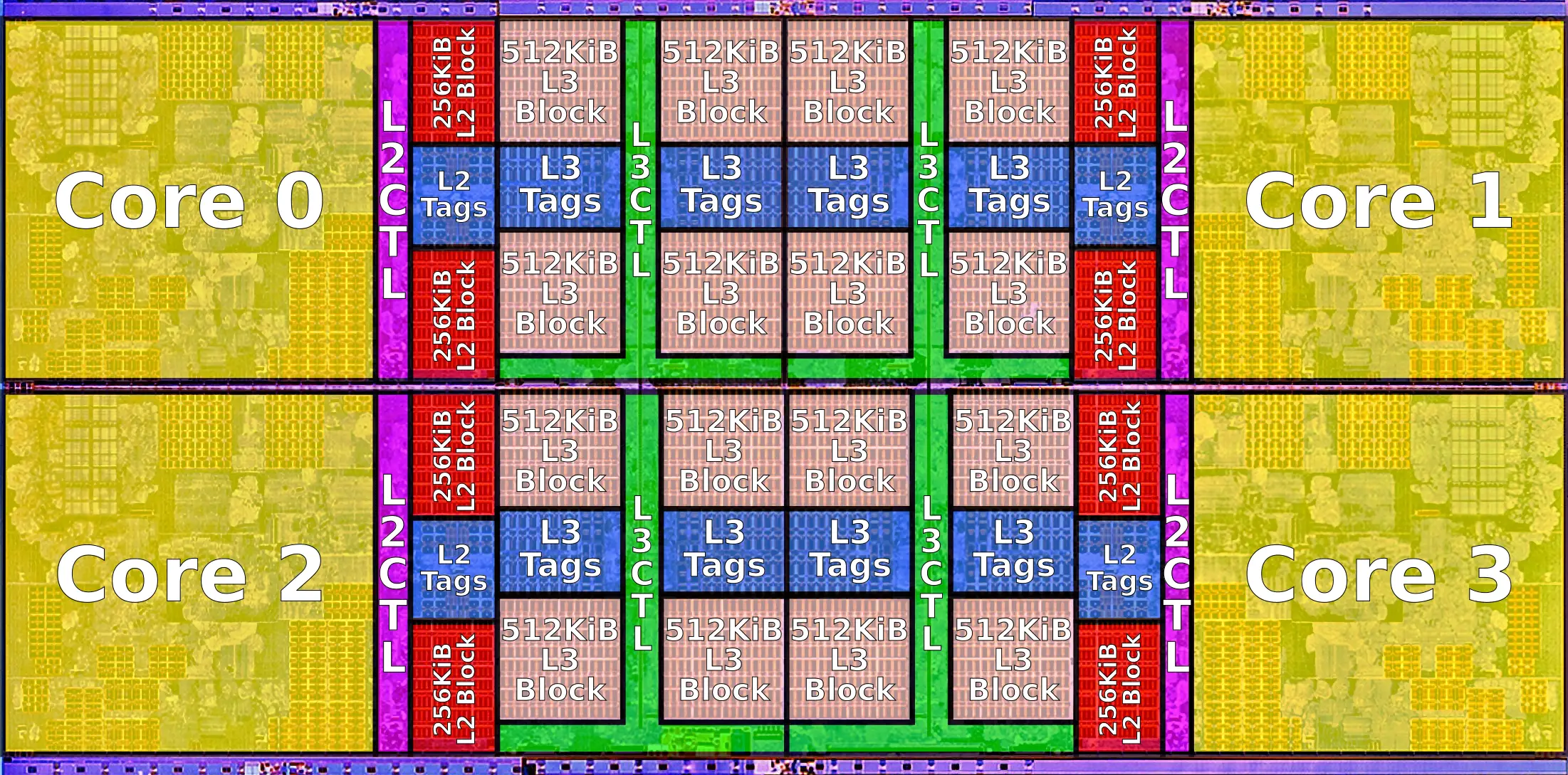
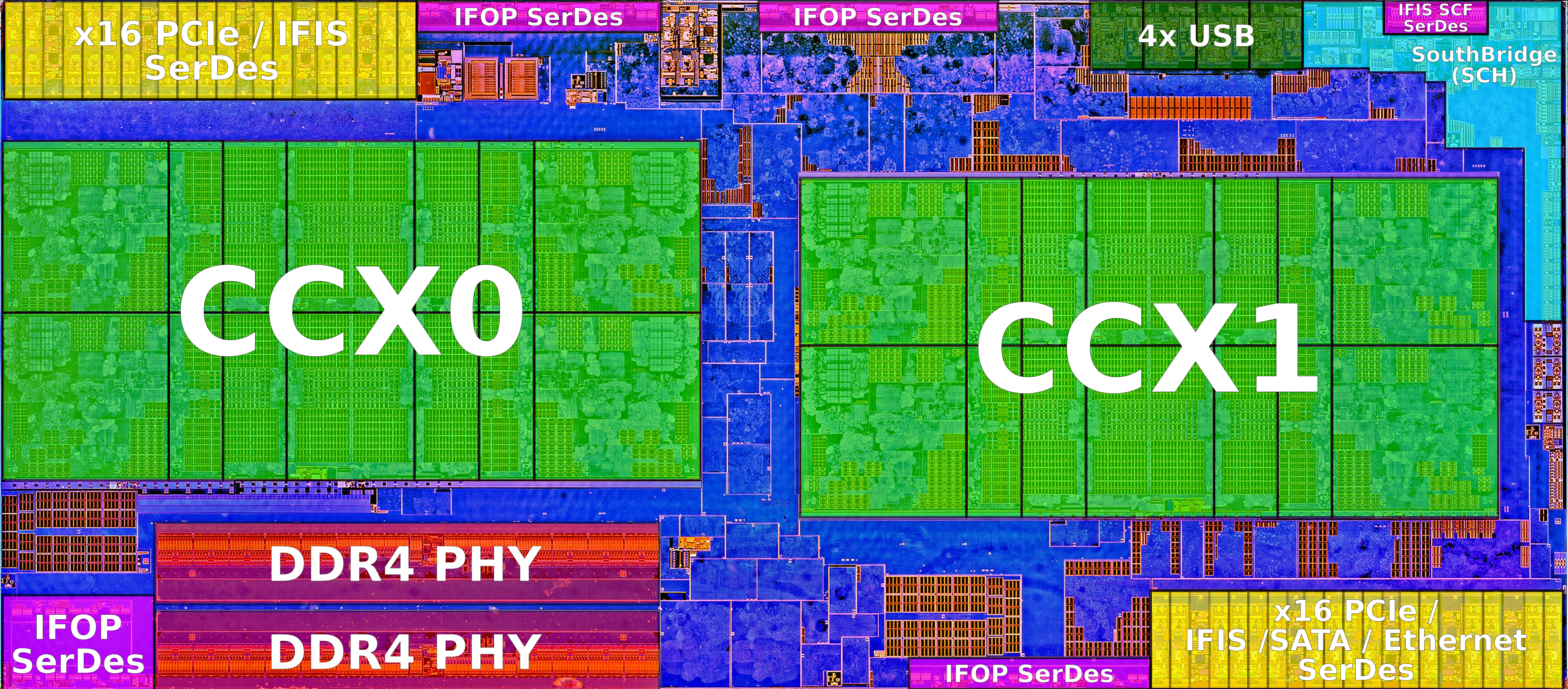
Zen takes a slightly different approach, using individual ICs with four cores on a single IC complex, sharing a single, relatively slow L3 cache, with small private L2 caches per core. The "chip complexes" are contained on a carrier chip which takes care of PCIe and the memory controller, similar to Intel's system agent, but farther from every core. [2] [3]
Apple has instead opted for all the cores to, instead, share a single large L2 cache, with enormous L1 caches. Both the GPU and CPU appear to have point-to-point connections to the memory controller and to the other peripherals.
Because they use 1) large caches and 2) squash everything together, they've managed to achieve ridiculously high memory bandwidth with teeny L1 latency.
For example, while Intel's latest uarch requires 5 CPU cycles to read L1D cache, M1 can do so in 3 cycles. Zen requires either 4 or 5 cycles.
There's no free lunch here, and I doubt they could maintain this same architecture while adding many more cores. They're missing the interconnects and necessary silicon to do so, and adding it would add latency and/or shrink existing caches. The design seems to be predicated on being small with minimal distance between components.
Caveat emptor, I'm not an engineer, this is all idle speculation.
[0] https://en.wikichip.org/w/images/thumb/c/cf/coffee_lake_over...
[1] https://en.wikichip.org/w/images/5/53/coffee_lake_die_%28oct...
[2] https://en.wikichip.org/w/images/a/a7/amd_zen_ccx_2_%28annot...
[3] https://en.wikichip.org/w/images/7/75/amd_zen_octa-core_die_...