Science’s Biggest Fail
blog.dilbert.com
Science’s Biggest Fail
1–10 of 260 posts
Re: Science’s Biggest Fail
#2Two nits:
I used to think vitamins had been thoroughly studied for their health trade-offs. They haven’t. The reason you take one multivitamin pill a day is marketing, not science.
One reason to take the latter is to make sure you don't get a deficiency disease.
I used to think I needed to drink a crazy-large amount of water each day, because smart people said so, but that wasn’t science either.
I don't know about "crazy-large" amounts (and too water much will kill you), but as far as I know, plus a little bit of time with Google just now, which indicates this has been the "scientific consensus" since the time of Hippocrates, unless you drink a fair amount, you're setting yourself up for kidney stones. Which I can attest are no fun at all.
Re: Science’s Biggest Fail
#3This really seems like confusing science with science headlines in the newspaper.
Re: Science’s Biggest Fail
#4Two nits: I used to think vitamins had been thoroughly studied for their health trade-offs. They haven’t. The reason you take one multivitamin pill a day is marketing, not science. One reason to take the latter is to make sure you don't get a deficiency disease. I used to think I needed to drink a crazy-large amount of water each day, because smart people said so, but that wasn’t science either. I don't know about "c…
One reason to take the latter is to make sure you don't get a deficiency disease.
And yet, what has started to come out (from what I understand and have read) is that taking a straight up multivitamin or something isn't that helpful. The general reason people seem to be finding being that the body doesn't absorb the stuff in the pill you just took very well, meaning you really aren't getting much benefit, if any, from taking said pill. Instead you would actually want to eat things that give you the vitamins and minerals that the body needs in order for it to be able to absorb those. Possibly including something such as a healthy fat which would promote absorbing the good things in stuff such as broccoli that much more. (again, from what I have read and understand) This is the possible reasoning behind the article saying taking multivitamins is marketing.
Re: Science’s Biggest Fail
#5This really seems like confusing science with science headlines in the newspaper.
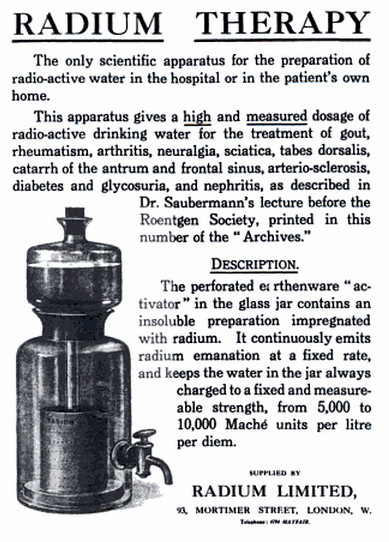
And yet, for a while now, the general "scientific consensus" has been "fat is bad for you", while recently it seems to be changing to "wait, fat isn't as terrible for you as we though, and could actually be quite healthy". I'm pretty sure the "fat is bad for you" stuff wasn't just science headlines in a newspaper for the past however many years. This is the main thing that he is talking about, where something makes into the mainline, including doctors telling people how to eat and live, and then suddenly people realize they had it all wrong and that what has been prescribed for years is actually very bad for you. Like cigarettes back in the day, (or even radiation and coke!) and fatty food now.
EDIT: references for claims about cigarettes[0], radiation[1], and coke[2] being said as good for you (though I think I may have exaggerated about doctors recommending coke)
[0] http://www.oddee.com/_media/imgs/articles/a171_c5.jpg

[1] http://upload.wikimedia.org/wikipedia/en/0/01/Radium_therapy...

Re: Science’s Biggest Fail
#6This really seems like confusing science with science headlines in the newspaper.
And yet, for a while now, the general "scientific consensus" has been "fat is bad for you", while recently it seems to be changing to "wait, fat isn't as terrible for you as we though, and could actually be quite healthy". I'm pretty sure the "fat is bad for you" stuff wasn't just science headlines in a newspaper for the past however many years. This is the main thing that he is talking about, where something makes i…
> And yet, for a while now, the general "scientific consensus" has been "fat is bad for you",
No, it hasn't.
The general scientific consensus may have been that most Americans are consuming fat in general, and certain varieties of fat in particular, at levels which are unhealthy, and therefore that most Americans would be better off reducing fat intake in general, and certain common varieties of fat intake in particular.
It may be that many people have overgeneralized this scientific consensus into a popular misunderstanding of "fat = bad", but that, again, is mistaking popular view (and the mass marketing of "low fat" products) with scientific consensus.
Re: Science’s Biggest Fail
#7Earlier quoted context omitted.
And yet, for a while now, the general "scientific consensus" has been "fat is bad for you", while recently it seems to be changing to "wait, fat isn't as terrible for you as we though, and could actually be quite healthy". I'm pretty sure the "fat is bad for you" stuff wasn't just science headlines in a newspaper for the past however many years. This is the main thing that he is talking about, where something makes i…
> And yet, for a while now, the general "scientific consensus" has been "fat is bad for you", No, it hasn't. The general scientific consensus may have been that most Americans are consuming fat in general, and certain varieties of fat in particular, at levels which are unhealthy , and therefore that most Americans would be better off reducing fat intake in general, and certain common varieties of fat intake in partic…
And this has been shown to be unproven, right? That was all over this forum a month ago - thousands of studies and no smoking gun. Fat isn't bad; obesity is bad.
Re: Science’s Biggest Fail
#8Two nits: I used to think vitamins had been thoroughly studied for their health trade-offs. They haven’t. The reason you take one multivitamin pill a day is marketing, not science. One reason to take the latter is to make sure you don't get a deficiency disease. I used to think I needed to drink a crazy-large amount of water each day, because smart people said so, but that wasn’t science either. I don't know about "c…
One reason to take the latter is to make sure you don't get a deficiency disease. And yet, what has started to come out (from what I understand and have read) is that taking a straight up multivitamin or something isn't that helpful. The general reason people seem to be finding being that the body doesn't absorb the stuff in the pill you just took very well, meaning you really aren't getting much benefit, if any, fro…
You don't need "much benefit" if the purpose is to avoid a deficiency disease, unless you're eating a really exotic diet (or have an absorption disease, but that's not in the remit of once-a-day vitamins), it's just to "top off" your normal diet. Especially since they come with instructions to take them with food to improve absorption.
Any specifics on this claimed problem? Like some interacting with others, or with various foods?
Re: Science’s Biggest Fail
#9This really seems like confusing science with science headlines in the newspaper.
Yeah, and for extra points using that same style of misleading headlines for his title.
Would it really have been so bad to put a "nutritional" into the title to produce something related to the actual topic?
Re: Science’s Biggest Fail
#10Earlier quoted context omitted.
> And yet, for a while now, the general "scientific consensus" has been "fat is bad for you", No, it hasn't. The general scientific consensus may have been that most Americans are consuming fat in general, and certain varieties of fat in particular, at levels which are unhealthy , and therefore that most Americans would be better off reducing fat intake in general, and certain common varieties of fat intake in partic…
And this has been shown to be unproven, right? That was all over this forum a month ago - thousands of studies and no smoking gun. Fat isn't bad; obesity is bad.
And this has been shown to be unproven, right?
I'm pretty sure that's not the case, and that there's a direct link between high saturated fat intake and cholesterol levels, for example.