Putin on the Ritz
hackerfactor.com
Putin on the Ritz
1–10 of 92 posts
Re: Putin on the Ritz
#2The main angle of the post (dressing exactly the same all the time) is a very interesting one, but the end points are somewhat scary.
Think of it: if it's so easy to fake color photos so that people won't notice, isn't it easier to fake black&white photos? How do you know this is real: http://upload.wikimedia.org/wikipedia/commons/0/05/Yalta_Con...? I don't. If we routinely don't trust colour pictures in newspapers, why should we trust historic photographs?
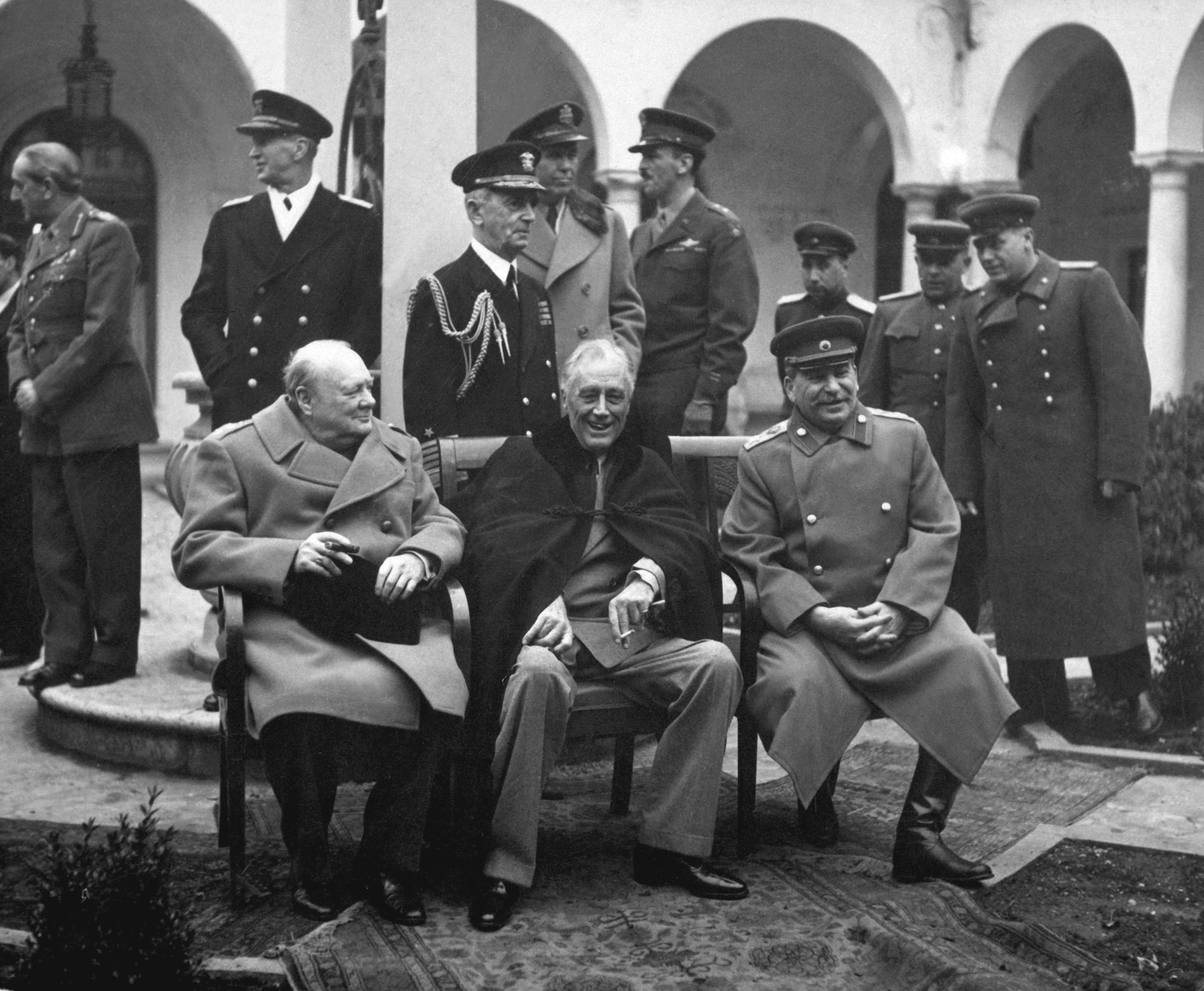
We've reached a point in time when we can start actually faking history. The only way to check if something happened now would be to find original copies of old photographs and books. But it's only matter of time before they'll be gone forever, or stuck deep in museum vaults, to be accessed by selected few. We could rewrite the history for next generation and no one would likely notice it.
Re: Putin on the Ritz
#3The main angle of the post (dressing exactly the same all the time) is a very interesting one, but the end points are somewhat scary. Think of it: if it's so easy to fake color photos so that people won't notice, isn't it easier to fake black&white photos? How do you know this is real: http://upload.wikimedia.org/wikipedia/commons/0/05/Yalta_Con... ? I don't. If we routinely don't trust colour pictures in newspapers,…
> isn't it easier to fake black&white photos
Stalin did use black and white photo montages. Check out the Wikipedia article [1].
> The only way to check if something happened now would be to find original copies
For now. Consider fine-grained 3D printing in the future.
> We could rewrite the history for next generation and no one would likely notice it.
It is actually a fairly practical problem in medium-term future. The only plausible solution seems to have resilient duplicated information on trusted peers. But with time, even trust rusts.
Re: Putin on the Ritz
#4The author has up a website [1] that gives an overview of what forensics can do with photos.
Re: Putin on the Ritz
#5The main angle of the post (dressing exactly the same all the time) is a very interesting one, but the end points are somewhat scary. Think of it: if it's so easy to fake color photos so that people won't notice, isn't it easier to fake black&white photos? How do you know this is real: http://upload.wikimedia.org/wikipedia/commons/0/05/Yalta_Con... ? I don't. If we routinely don't trust colour pictures in newspapers,…
> We've reached a point in time when we can start actually faking history.
It has always been possible to fake history, inadvertently or intentionally. There was a narrow stretch of time when photography became widespread which made it a bit harder to fake history, but photographs were being faked and staged long before we had computers to do digital editing of them. And before we had photographs, it was possible to fake manuscripts, etc.
Re: Putin on the Ritz
#6The one table leg being longer can be easily be attributed the lens distortion.
One would expect that, being in a room, a fisheye lens has been used in the original picture. But that would have led to a barrel distortion. Instead, a zoom lens was used. This has an interesting side effect: Putin, sitting at the border of the photo, then appears larger.
Re: Putin on the Ritz
#7Russian contemporary novelist Victor Pelevin explored a similar theme in his "Generation P" book (1999). The idea was that there were no "real" politicians, because all of them were fabricated digital images to sell more ads. Quite an entertaining read.
On goodreads: http://www.goodreads.com/book/show/9667484-generation / http://www.goodreads.com/book/show/337672.Homo_Zapiens (translated version)
Re: Putin on the Ritz
#8IMHO even the one with Gheddafi could be a fake, the light is not the same on the subjects..
Re: Putin on the Ritz
#9Putin died three years ago, fact.
Maybe.
Re: Putin on the Ritz
#10The main angle of the post (dressing exactly the same all the time) is a very interesting one, but the end points are somewhat scary. Think of it: if it's so easy to fake color photos so that people won't notice, isn't it easier to fake black&white photos? How do you know this is real: http://upload.wikimedia.org/wikipedia/commons/0/05/Yalta_Con... ? I don't. If we routinely don't trust colour pictures in newspapers,…
> We've reached a point in time when we can start actually faking history. It has always been possible to fake history, inadvertently or intentionally. There was a narrow stretch of time when photography became widespread which made it a bit harder to fake history, but photographs were being faked and staged long before we had computers to do digital editing of them. And before we had photographs, it was possible to…
And the further back we go in time, the less independent reporter we can find. For example, how much can you trust Caesar's account of its campaign in Gaul ?