Live data from Hacker News

Saber-toothed cats became inbred–and struggled to move–before they went extinct

science.org

21–30 of 37 posts

Re: Saber-toothed cats became inbred–and struggled to move–before they went extinct

#21
post #19
post #11

I was always puzzled how these cats actually fed. These sabre toots seem to get in the way of feeding and chewing.

Cats don't really chew much anyway. If sabre-tooths have a rough tongue like other cats, they can probably scour flesh off bones with that with little need to work over the meat with their teeth.

>Cats don't really chew much anyway.

Is that actually true? If you observe domestic cats feeding, they chew a lot. Small fragments at a time and chew the crap out of it. Whether that's also true for big cats, i don't know.
Re: Saber-toothed cats became inbred–and struggled to move–before they went extinct

#22
post #11

I was always puzzled how these cats actually fed. These sabre toots seem to get in the way of feeding and chewing.

> These sabre toots seem to get in the way of feeding and chewing. Why? They don't stop the mouth from closing. Presumably they don't stop it from opening either. Compare walruses, elephants, and pigs.

>They don't stop the mouth from closing. Presumably they don't stop it from opening either.

That much is obvious. The question is how they get around sabre tooth without being a major obstruction to bite pieces of meat off.

As for the other animals, Elephants mostly use their trunks to put food in their mouths. Pigs, their teeth are not that huge comparatively speaking and less of an obstruction, plus the have a very long snouts. Walruses, I have no idea how they manage to feed either.

Re: Saber-toothed cats became inbred–and struggled to move–before they went extinct

#23
post #21
post #19

Earlier quoted context omitted.

Cats don't really chew much anyway. If sabre-tooths have a rough tongue like other cats, they can probably scour flesh off bones with that with little need to work over the meat with their teeth.

>Cats don't really chew much anyway. Is that actually true? If you observe domestic cats feeding, they chew a lot. Small fragments at a time and chew the crap out of it. Whether that's also true for big cats, i don't know.

My cats only chew hard things like kibble, but never chew their wet food, and if given meat or fish, they tear and swallow without chewing.

Re: Saber-toothed cats became inbred–and struggled to move–before they went extinct

#24
If you watch predator behavior, they will always go for an easy kill. The tar pit provides those opportunities. Also, if these opportunities are routine enough and occur in a hyper local area, it’s hardly even hunting they become more like scavengers patrolling the area and perhaps defending it from competition.

That said, it seems more likely to me cats near the tar pits just held the territory and became inbred from that. You can see similar patterns today around a junk yard. There will be feral dogs or cats that are living off the trash. They protect it from outsiders and inbreed.

That’s if inbred is even the explanation. I think it’s also possible that weak or deformed cats may just prefer this site more than healthy cats as they are hungry enough to take the risk. So the population bias is inherently there through attendance. If cats are getting stuck in tar so frequently, it’s likely they knew going near it was risky. Healthy cats would hunt elsewhere and avoid the risk.

Re: Saber-toothed cats became inbred–and struggled to move–before they went extinct

#25
post #21
post #19

Earlier quoted context omitted.

Cats don't really chew much anyway. If sabre-tooths have a rough tongue like other cats, they can probably scour flesh off bones with that with little need to work over the meat with their teeth.

>Cats don't really chew much anyway. Is that actually true? If you observe domestic cats feeding, they chew a lot. Small fragments at a time and chew the crap out of it. Whether that's also true for big cats, i don't know.

My cat almost doesn't chew at all, she's only fed wet food which she swallows in chunks and the rare prey she catches outdoors is teared and swallowed in chunks as well.

Re: Saber-toothed cats became inbred–and struggled to move–before they went extinct

#26
post #22

Earlier quoted context omitted.

> These sabre toots seem to get in the way of feeding and chewing. Why? They don't stop the mouth from closing. Presumably they don't stop it from opening either. Compare walruses, elephants, and pigs.

>They don't stop the mouth from closing. Presumably they don't stop it from opening either. That much is obvious. The question is how they get around sabre tooth without being a major obstruction to bite pieces of meat off. As for the other animals, Elephants mostly use their trunks to put food in their mouths. Pigs, their teeth are not that huge comparatively speaking and less of an obstruction, plus the have a very…

> Walruses, I have no idea how they manage to feed either.

they blow air on the sea floor to dislodge clams, use their whiskers to locate them and and then suck them out of their shell. I did not know walruses survive mostly on clams before today.

www.youtube.com/watch?v=y0WZSBlCcVA

Re: Saber-toothed cats became inbred–and struggled to move–before they went extinct

#27
post #22

Earlier quoted context omitted.

> These sabre toots seem to get in the way of feeding and chewing. Why? They don't stop the mouth from closing. Presumably they don't stop it from opening either. Compare walruses, elephants, and pigs.

>They don't stop the mouth from closing. Presumably they don't stop it from opening either. That much is obvious. The question is how they get around sabre tooth without being a major obstruction to bite pieces of meat off. As for the other animals, Elephants mostly use their trunks to put food in their mouths. Pigs, their teeth are not that huge comparatively speaking and less of an obstruction, plus the have a very…

> The question is how they get around sabre tooth without being a major obstruction to bite pieces of meat off.

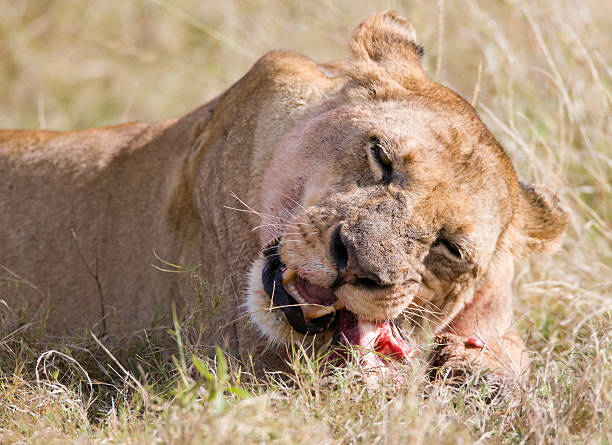
If you watch a video/picture of a lion eating or look closely to your cat, you'll notice they chew straight with their molars: https://media.istockphoto.com/id/176047661/photo/lion-chewin...

Canines are their hunting knives, where they need to penetrate deeply and then hold the piece in place until it is disabled. Canines are unable to chew properly, as they don't have a counterpart that works as the anvil, they just perforate. Also, the structure analysis show that canines would shatter if used to chew bones, so they where reserved to bite the neck or the belly while hunting.

It is speculated that the Sabre Tooth tigers (500 kg/1000 pounds) could take down a 3000 kg/6000 pound) megahervibore, that probably had a skin and fat as thick as a modern elephant. They needed those canines to kill those preys.

Re: Saber-toothed cats became inbred–and struggled to move–before they went extinct

#28
post #25
post #21

Earlier quoted context omitted.

>Cats don't really chew much anyway. Is that actually true? If you observe domestic cats feeding, they chew a lot. Small fragments at a time and chew the crap out of it. Whether that's also true for big cats, i don't know.

My cat almost doesn't chew at all, she's only fed wet food which she swallows in chunks and the rare prey she catches outdoors is teared and swallowed in chunks as well.

If you let your cat outside, please put a bell or something on them. The average cat hunts far more than they eat, and generally destroy local bird populations.

Re: Saber-toothed cats became inbred–and struggled to move–before they went extinct

#29
post #25

Earlier quoted context omitted.

My cat almost doesn't chew at all, she's only fed wet food which she swallows in chunks and the rare prey she catches outdoors is teared and swallowed in chunks as well.

If you let your cat outside, please put a bell or something on them. The average cat hunts far more than they eat, and generally destroy local bird populations.

[flagged]

Re: Saber-toothed cats became inbred–and struggled to move–before they went extinct

#30
post #21
post #19

Earlier quoted context omitted.

Cats don't really chew much anyway. If sabre-tooths have a rough tongue like other cats, they can probably scour flesh off bones with that with little need to work over the meat with their teeth.

>Cats don't really chew much anyway. Is that actually true? If you observe domestic cats feeding, they chew a lot. Small fragments at a time and chew the crap out of it. Whether that's also true for big cats, i don't know.

I was recently told this by my vet when my cat needed some teeth removed -- there was no real impact on the cat's life because they don't really chew their food.
Post reply on HN