Live data from Hacker News

Why do bees die when they sting you? (2021)

subanima.org

11–20 of 251 posts

Re: Why do bees die when they sting you? (2021)

#11
post #8
post #2

The group selection part is really interesting evolution-wise. It seems a very slow and difficult method of selection. I had never considered how something dying, and not passing along their genetics, could enforce a genetic trait.

Think about how most people are naturally scared of heights, or snakes. A lot of dogs get freaked out by snakes too, or if you play with a hair clip in front of them, which looks like a snake. The ones that aren't afraid of those things are more likely to die from falling off a cliff or being injected with venom. I'm personally someone who is freaked out heavily by insects. I know logically a house centipede or a har…

> A lot of dogs get freaked out by snakes too, or if you play with a hair clip in front of them, which looks like a snake.

Some cats are afraid of cucumbers, presumably because the shape and color resembles a snake. Here’s a funny compilation: https://youtu.be/oDpQ2uGLUKU
Re: Why do bees die when they sting you? (2021)

#13
This concept blew my mind when I internalized it.

Same reason why honest signals exist. A peacock with very rich feathers is a fitness disadvantage. But they find mates more successfully. These traits persist in the gene pool.

It’s so much easier to just evolve a cheating trait that does the job of finding a mate even without the required fitness.

But the signals stay honest for the most part.

Why?

It’s because ultimately the species survives, not the individuals.

In a lot of cases, something that makes the individual more fit also makes the species more fit. But in some cases, they are inversely proportional.

Hence you end up with suicidal genes that favor the death of the individuals for the greater good of the species.

Now extrapolating to human society, most nations have landed on a system where taxes are paid to the government. Every individual might complain and try to get out of paying. But we do. Why? Maybe because societies where that wasn’t a thing were less fit and didn’t last long enough to still be around.

Re: Why do bees die when they sting you? (2021)

#15
post #13

This concept blew my mind when I internalized it. Same reason why honest signals exist. A peacock with very rich feathers is a fitness disadvantage. But they find mates more successfully. These traits persist in the gene pool. It’s so much easier to just evolve a cheating trait that does the job of finding a mate even without the required fitness. But the signals stay honest for the most part. Why? It’s because ultim…

> It’s because ultimately the species survives, not the individuals.

No, this is wrong. "Survival of the species" isn't a basis for selection. It will not lead to a gene becoming more prevalent in a population of interbreeding individuals.

Bees sacrifice themselves because they share genes with the queen; genes that are involved in this sacrifice increase their relative abundance in the bee gene pool by increasing the fitness of the superorganism that is the colony.

Re: Why do bees die when they sting you? (2021)

#16
post #6

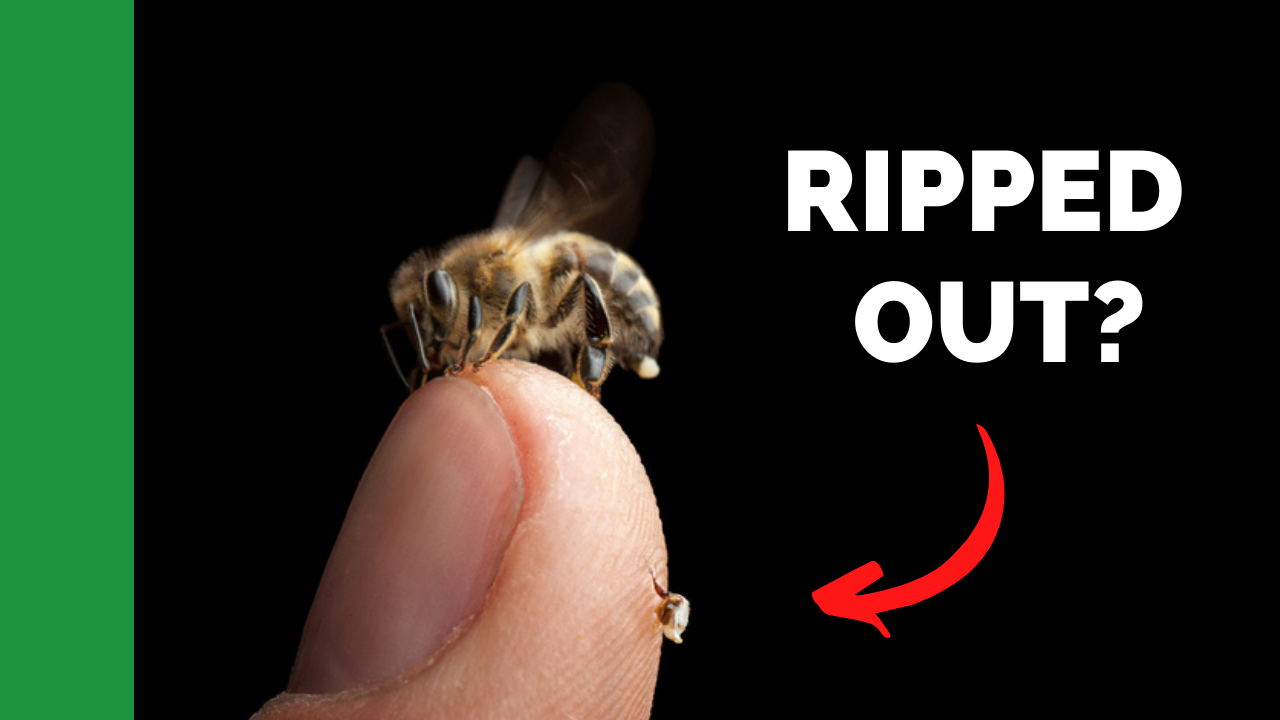
> the result is the picture at the top of this article But there is no picture at the top of the article, at least on mobile.

It's not loading for me in Firefox on desktop either; I found the image in the source code if anyone is interested:

https://www.subanima.org/content/images/size/w1200/2021/11/b...

edit: looks intentional?

    /* Remove feature image from top of articles */
    .gh-article-image {
        display: none;
    }

Re: Why do bees die when they sting you? (2021)

#18
post #2

The group selection part is really interesting evolution-wise. It seems a very slow and difficult method of selection. I had never considered how something dying, and not passing along their genetics, could enforce a genetic trait.

It's somewhat explained near the end of the article. Sex in bees (and ants) is weird. https://en.wikipedia.org/wiki/Sex-determination_system

Humans use XY system, so we share 50% of your genes with your children, parents and siblings (in average).

Bees and ants use X0 system. A female bee share 50% of your genes with their own daughters, 75% with their mother and 75% with their female parents and 75% with their female siblings (in average).

So, from the bee's genes point of view instead of having their own children it's better to kidnap their mother and force her to have more female children. And a consequence is that instead of running away to form their new family in a safe place it's better to die protecting their mother.

Post reply on HN