The science behind on-the-wrist blood pressure tracking
empirical.health
The science behind on-the-wrist blood pressure tracking
1–10 of 106 posts
Re: The science behind on-the-wrist blood pressure tracking
#2Tangentially Related: https://arstechnica.com/health/2024/10/your-doctors-office-c...
Re: The science behind on-the-wrist blood pressure tracking
#3Measuring blood pressure on the wrist is tricky. I usually do three measurements to get an accurate reading. I have two machines I use. The older one is actually better than the new one. Another thing is, pay attention to how you feel. I can feel my blood pressure when it's high and usually know when the device reading is off. I do this because my family has a history of high blood pressure and so far because of lifestyle choices I have avoided the need for meds.
Re: The science behind on-the-wrist blood pressure tracking
#4Actually, there is a wrist device called "Aktiia" that's approved for use for continuous BP monitoring with clinical accuracy by the UK and German health authorities (I believe). It's a bit of a pain to get over the pond, but with a shipment-forwarding company + a UK App Store account you can get up and running.
I've dabbled a bit with it and it's very close to the cuff measurements.
It works by calibrating with their custom arm cuff device. I'd guess that it's correlating what the wrist sensor sees w.r.t. your wrist blood vessels and what the "true" reading is from your arm. You re-do the calibration every few weeks.
The device takes a reading every 20 or 30 minutes or so and seems to try to pick periods where you're more stationary.
However, one thing to be aware of is that you are not used to seeing your BP readings from the entire day. Did you jump in a cold plunge 10 minutes before it ran? Get ready to see a really high reading dot in the 'danger zone'. Went for a jog and are catching your breath on a park bench? High dot.
This isn't a bad thing, it just takes some getting used to since your "daily average" will be significantly above the readings you're used to if you're doing arm cuff measurements at the start/end of the day. Of course it's also getting readings at those more usual times too, but they get washed out in the larger number of data points from your day.
And goes without saying, your blood pressure SHOULD go up and down based on your activity and time of day. You just aren't used to seeing it other than at true rest.
But all in all it's been fascinating to see, and there's no doubt in my mind that this technology will be mainstream quickly (and Apple will likely dominate it).
Re: The science behind on-the-wrist blood pressure tracking
#5I would love to have continuous BP monitoring. I ready for this tech to mature. I'd wager that blood pressure varies way more during the day than weight (which can vary as much as 5 lbs or more) - and continuous, easy BP monitoring at would cause HT dxs to drop significantly.
Re: The science behind on-the-wrist blood pressure tracking
#6Actually, there is a wrist device called "Aktiia" that's approved for use for continuous BP monitoring with clinical accuracy by the UK and German health authorities (I believe). It's a bit of a pain to get over the pond, but with a shipment-forwarding company + a UK App Store account you can get up and running. I've dabbled a bit with it and it's very close to the cuff measurements. It works by calibrating with thei…
This is super exciting, thanks for posting! I developed high blood pressure after Covid and have done a few 24h studies to better understand it. The traditional machines are super bulky, essentially like carrying a regular BP monitor around with a pouch that's strapped to you, maybe just a bit smaller. All in all it's far from convenient and can kick in at inopportune times. Having around the clock insights would hopefully give me a better understanding of the condition. For context, I've jumped through all sorts of specialty doctor hoops and there is no known underlying cause outside of the fact that it just showed up after Covid.
Do you or anyone you know happen to have firsthand experience with the device?
Re: The science behind on-the-wrist blood pressure tracking
#7Actually, there is a wrist device called "Aktiia" that's approved for use for continuous BP monitoring with clinical accuracy by the UK and German health authorities (I believe). It's a bit of a pain to get over the pond, but with a shipment-forwarding company + a UK App Store account you can get up and running. I've dabbled a bit with it and it's very close to the cuff measurements. It works by calibrating with thei…
I'll bet blood pressure readings throughout the day will be analogous to the data we get from CGMs (continuous glucose monitors). You get lots of spikes during the day.
Given enough data pairing continuous blood pressure with major events like heart attacks and strokes, we may even develop more accurate models to predict which types of spikes create the most cardiovascular risk.
Re: The science behind on-the-wrist blood pressure tracking
#8Tangentially Related: https://arstechnica.com/health/2024/10/your-doctors-office-c...
Yeah -- in addition to inappropriate measurement technique, "white coat hypertension" can cause elevated blood pressure readings.
And, of course, you have the fact that the American College of Cardiology (ACC) updated their blood pressure guidelines in 2017 to use a lower threshold. So some people with moderately high blood pressure would now be considered to have hypertension and are recommended to seek treatment.
Re: The science behind on-the-wrist blood pressure tracking
#9I would love to have continuous BP monitoring. I ready for this tech to mature. I'd wager that blood pressure varies way more during the day than weight (which can vary as much as 5 lbs or more) - and continuous, easy BP monitoring at would cause HT dxs to drop significantly.
Why do you think this would cause HT diagnosis to drop? If anything all of these continuous monitors create more patient visits and probably more diagnosis.
I'm interested in what the future holds when these things are capable of FDA-approved diagnosing. Will Apple send a prescription for BP meds to my pharmacy?
Re: The science behind on-the-wrist blood pressure tracking
#10I'm a med device engineer and have watched the hopes and dreams of cuffless BP monitoring tech. I hope we get there as it will be hugely important. However, remember tech is only a small part of the battle. We need to figure out clinically what to do with all this new continuous data.
I am very sceptical PPG alone will be capable for many reasons. Aktiia does indeed have European regs clearance. But, they don't have FDA clearance. The FDA is a very different beast (more hands on - and they'll be absolutely much more heavy with such a new approach) - and they must have concerns on the approach for it to take this long. The FDA even has accelerated programmes for breakthrough high impact tech as they really do want it to get to market safely.
The main cuffless FDA cleared devices I know measure the pulse transit time betwen a central ECG patch and a peripheral based PPG (that time is then calibrated to a BP with the Moens Kourteweg equation) - see Biobeats watch and a now defunct wearable ICU monitor company I can't find the name of.
The issue with PPG is that it is wildly sensitive. The PPG waveform morphology will changed dramatically based on the pressure of the sensor against the skin, unconstrained changes in orientation of the human and arm etc. Changes in morphology != changes in system wide BP.
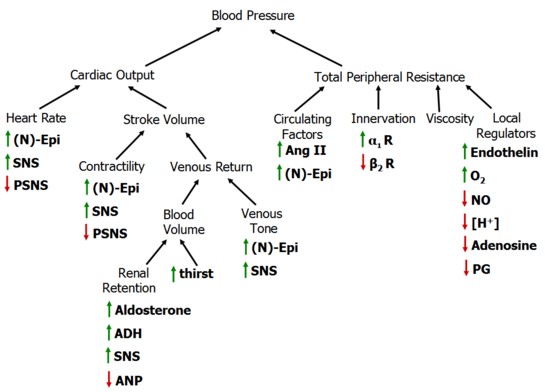
Speak to an anaesthesiologist and they'll tell you blood pressure is function many things eg cardiac output, stroke volume, heart rate, blood volume, total peripheral resistance etc etc (https://www.sharinginhealth.ca/multimedia/images/blood_press...). The question is whether PPG alone can measure all these things. I suspect it's really just measuring lots of proxies of all these things. And that's fine - however in the presence of people with conditions or on therapeutics that alter these in very personalised and unpredictable ways then error may start to creep in on free living measurement. Paradoxically, it's probably these people for whom this tech would have most impact - not the worried well.