[flagged]
I'm struggling to come up with a Democrat run city that demonstrates they govern better than anyone else.
Chicago? New York? San Fransisco? Baltimore?
51–60 of 462 posts
[flagged]
Chicago? New York? San Fransisco? Baltimore?
To me it's crazy people run so much AC at home. It's like making global warming a worse problem with AC, so it gets hotter and we use more AC. I live in Rome, Italy, we had 40C (104F) degree max temperatures during day, and even at night it doesn't fall below 29C (84) and we survive without AC just fine, not just me but the rest of my family in their houses too, of course it is sometimes uncomfortable, but that's sum…
How humid is it in Rome during the summer compared to Houston?
62F Rome 74F Houston
https://www.timeanddate.com/weather/italy/rome/climate
https://www.timeanddate.com/weather/usa/houston/climate
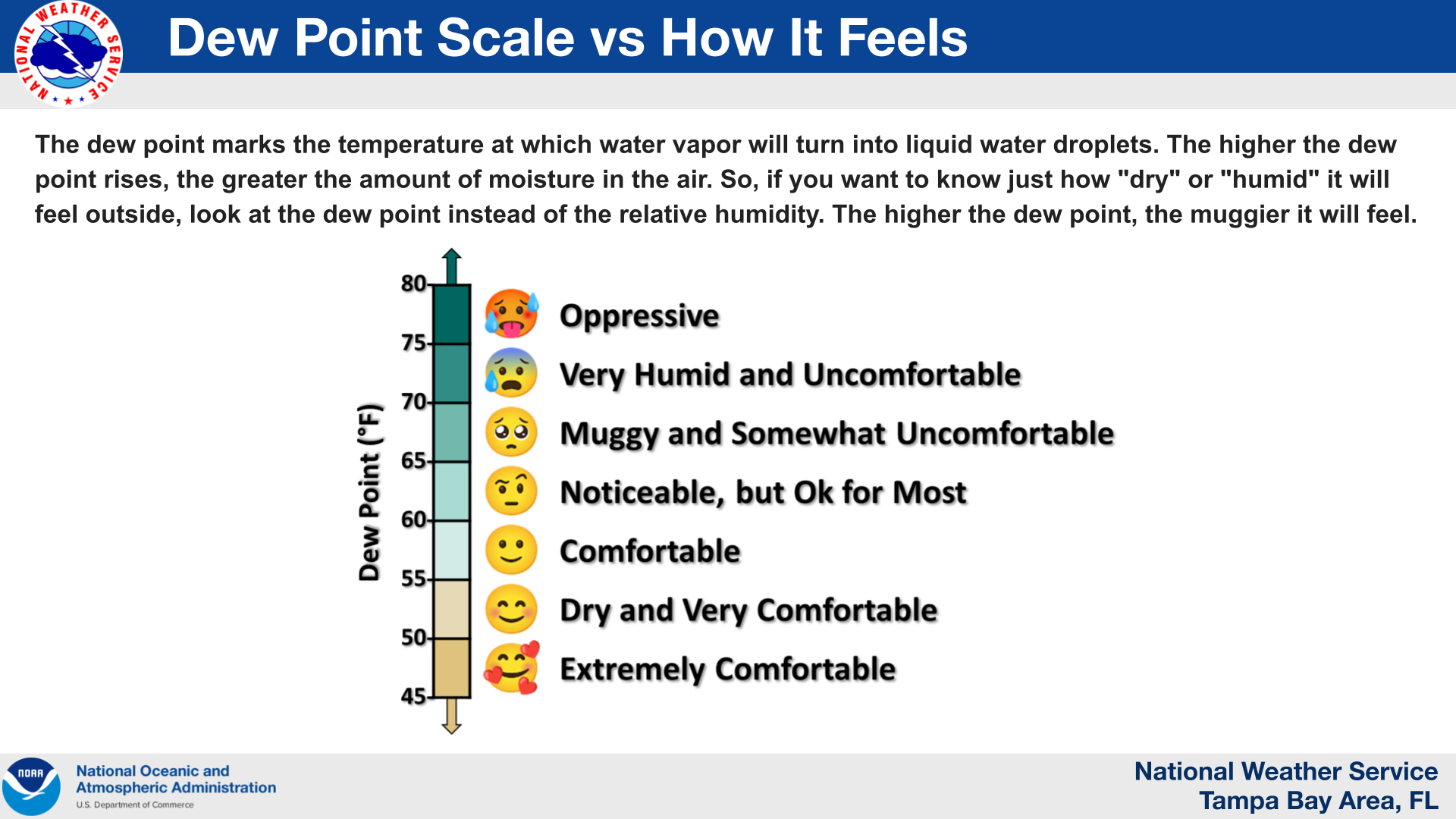
Noticable vs humid and uncomfortable bordering on oppressive
https://www.weather.gov/images/tbw/dewpoint/DewPointScale.pn...
*edit to fix Houston dew point
Earlier quoted context omitted.
This wasn't a "grid issue." It is a last-mile issue. It's specifically an issue with the sheer amount of above ground power lines and population density. There is no easy fix, preparation, or practically anything else that can be done to prevent something like this. Plus, what causes the same amount of power outages (wind damage) isn't going to be different between 90mph winds and 150 mph winds. The effects are going…
What's wrong with below-ground power distribution for metropolitan areas?
Earlier quoted context omitted.
> Not angry enough to get their elected officials to make the power grid changes needed Do you have the magic solution that makes them resilient to natural disasters short of burying every single power line underground? Which is not only impractical but insanely expensive. The infrastructure has been physically damaged or destroyed. You fired off a politically charged comment and offered no specifics.
Increased trimming of trees near power lines. Apparently CenterPoint spent significantly less than some of the other power suppliers on maintenance. I don't know that it would help in this specific instance, but connecting Texas to the rest of the power grid would likely make the system overall more resilient.
Irrelevant wishful thinking. The outages are caused by localized physical damage. There is no shortage of grid power. Inter-ties to every grid in the world wouldn't help when the wires on the last mile have been physically destroyed.
Incredibly, my fiber internet never went down the entire time. That part of my infrastructure is buried and they back it all up with proper generators.
Earlier quoted context omitted.
Yes, building the infrastructure in the cheapest way possible has consequences. Underground lines would not be vulnerable to falling trees. But they are a lot more expensive to install, and when they require maintenence for any other reasons.
As European I find it strange how few power and telecom wires seem to be buried in the US. What's up with that? I get that in rural regions digging a ditch isn't worth it, but the Houston area has pretty high population density and still has wires on poles.
I lived on a barrier island in the Gulf of Mexico for a couple years. The island gets hit with storms pretty regularly, two or three major storms in my lifetime if I'm not mistaken. All of the power lines were above ground until maybe 5 years ago for two reasons - the island had a pretty low density for full time residency and buried lines are expensive, and they were worried about issues with burying lines in a sand island that can quite literally move and shift after a major storm. It seems like the latter either isn't a concern today, and its a good thing because those power poles were always causing problems on the island.
To me it's crazy people run so much AC at home. It's like making global warming a worse problem with AC, so it gets hotter and we use more AC. I live in Rome, Italy, we had 40C (104F) degree max temperatures during day, and even at night it doesn't fall below 29C (84) and we survive without AC just fine, not just me but the rest of my family in their houses too, of course it is sometimes uncomfortable, but that's sum…
Homes/buildings in your area are built with not having AC in mind - window locations, shade, insulation, etc is all purpose driven. Homes in Texas and generally the US are built with AC in mind, so we can’t not use it - it would get 104 inside.
I used to live in an apartment built in the 70s which was a pain to cool or heat because it was so badly sealed. But the one benefit it did have is that on hot days with cool nights it'd very quickly cool off, without needing AC. My current place requires AC unless I mind waiting until 4am for it to cool off.
I‘m curious, Texas seems to get a lot of sun - how common are private solar installations on the roofs? Combined with a battery you could lower your electricity bill and would be safe from this kind of problem. In my neighbourhood in northern germany about 5% of the houses have them. They pay for themself in about 5-10 years. edit: spelling
I was there last weekend & for the day of the hurricane. This was just a cat 1 hurricane at the time it passed through Houston, and there was SO much damage. I can't imagine the city is remotely prepared for (god forbid, and idk how likely it is that far inland anyway) a cat 4 or 5. We were staying in a hotel that had a backup generator, but every single other building that was visible from our hotel had lost power d…
This wasn't a "grid issue." It is a last-mile issue. It's specifically an issue with the sheer amount of above ground power lines and population density. There is no easy fix, preparation, or practically anything else that can be done to prevent something like this. Plus, what causes the same amount of power outages (wind damage) isn't going to be different between 90mph winds and 150 mph winds. The effects are going…
Some people bring up the storm Ian in 2021. Winter storms are fundamentally different disasters. Cold snaps drive up local electricity demand sharply and this is the kind of thing that can stress the grid.
I was there last weekend & for the day of the hurricane. This was just a cat 1 hurricane at the time it passed through Houston, and there was SO much damage. I can't imagine the city is remotely prepared for (god forbid, and idk how likely it is that far inland anyway) a cat 4 or 5. We were staying in a hotel that had a backup generator, but every single other building that was visible from our hotel had lost power d…
I live in an area northwest of Houston. We had similar outages (though not as long) in May (serious storm, but not a hurricane) In many cases, it's the result of winds knocking trees into powerlines. I feel like preventative maintenance could mitigate this. A big factor is likely our deregulation: the electricity provider isn't the company billing end customers.
Some richer communities on the east side bury their lines so power outages are more rare.