Live data from Hacker News

Engineering for Slow Internet

brr.fyi

11–20 of 406 posts

Re: Engineering for Slow Internet

#11
post #2

I still think engineering for slow internet is really important, and massively under appreciated by most software developers, but ... LEO systems (like Starlink, especially StarLink) essentially solve the core problems now. I did an Arctic transit (Alaska to Norway) in September and October of 2023, and we could make FaceTime video calls from the ship, way above the Arctic Circle, despite cloud cover, being quite far…

There’s a diner in SF I frequent. I usually sit 15 feet from the door, on a busy retail corridor, with Verizon premium network access. My iPhone XS reports two bars of LTE but there’s never enough throughout for DNS to resolve. Same at my dentist’s office. I hope to live in a post slow internet world one day, but that is still many years away.

(The XS does have an Intel modem, known to be inferior to the Qualcomm flagship of the era)
Re: Engineering for Slow Internet

#13
This is why I find it dreadful that evangelists here are heavily promoting live$whatever technology where every local state change requires at least one server roundtrip, or “browsers support esm now, bundling is a thing of the past!” etc. You don’t need to be at Antarctica to feel the latencies caused by the waterfall of roundtrips, or roundtrip on every click, as long as you’re a mere 200ms from the server, or in a heavily congested place.

Re: Engineering for Slow Internet

#14
An example of a program that's atrocious about unreliable connectivity is `git` -- it has no way to resume downloads, and will abort all progress if it fails mid-transfer.

The only way I've found to reliably check out a git repository over an unreliable link is to check it out somewhere reliable and `rsync` the .git directory over.

Re: Engineering for Slow Internet

#15
post #2

I still think engineering for slow internet is really important, and massively under appreciated by most software developers, but ... LEO systems (like Starlink, especially StarLink) essentially solve the core problems now. I did an Arctic transit (Alaska to Norway) in September and October of 2023, and we could make FaceTime video calls from the ship, way above the Arctic Circle, despite cloud cover, being quite far…

What ship were you on and was it the northwest passage? We haven't had good luck north of 80 degrees with starlink.

Re: Engineering for Slow Internet

#17
post #14

An example of a program that's atrocious about unreliable connectivity is `git` -- it has no way to resume downloads, and will abort all progress if it fails mid-transfer. The only way I've found to reliably check out a git repository over an unreliable link is to check it out somewhere reliable and `rsync` the .git directory over.

Usually `git clone --depth 1 URL` works, then you can incrementally deepen it.

This does cause extra load on the servers, but if it's that big a problem for them, they can write the incremental patches themselves.

(I suspect that the "dumb http" transport are also incremental if you squint hard enough at them, but I've never had reason to investigate that closely)

Re: Engineering for Slow Internet

#18
post #16
post #3

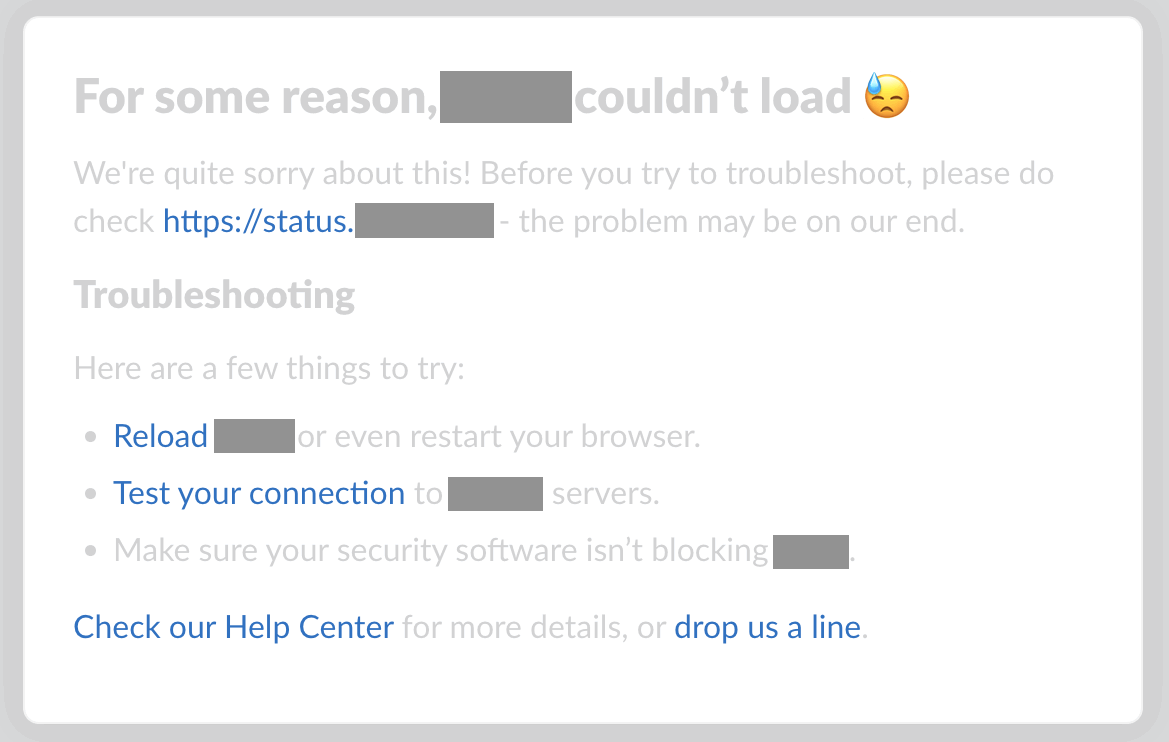
IMO author shouldn't have censored the app names. The world deserves to know.

I agree! They call out Apple, Samsung and a few others, but not app vendors.

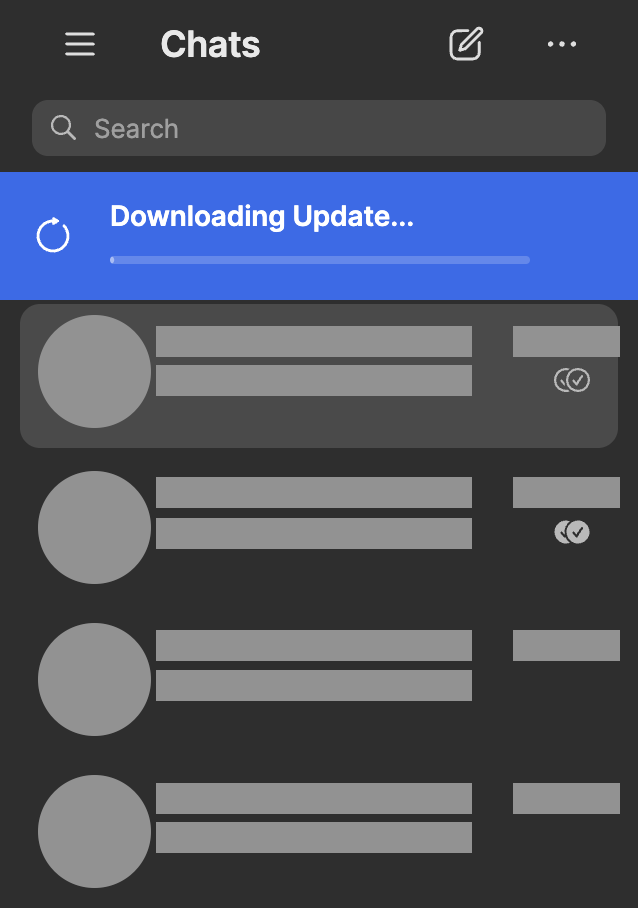
The messaging app with an updater is clearly Signal. The checkmark icons gave it away for me.

Re: Engineering for Slow Internet

#19
post #3

IMO author shouldn't have censored the app names. The world deserves to know.

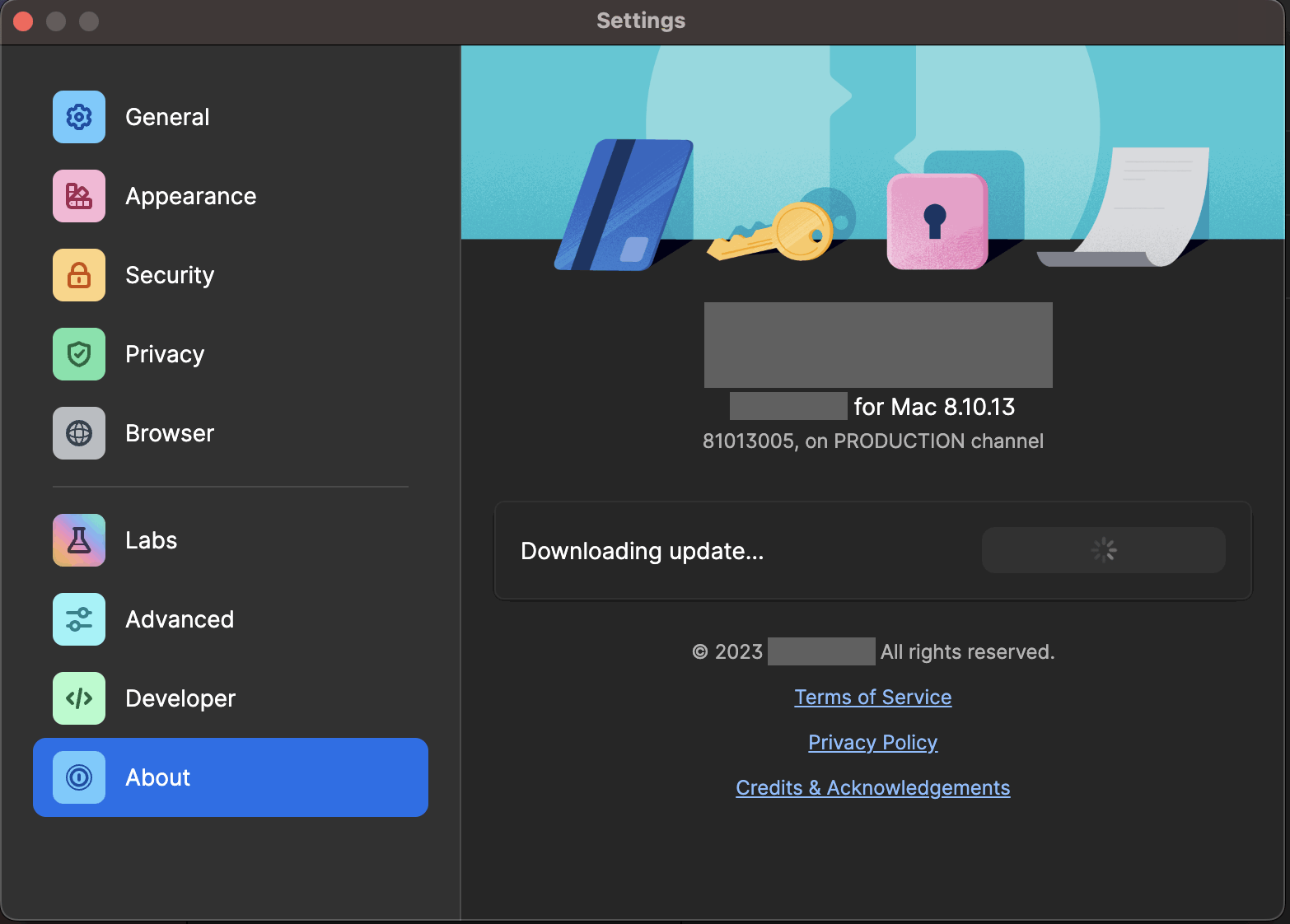
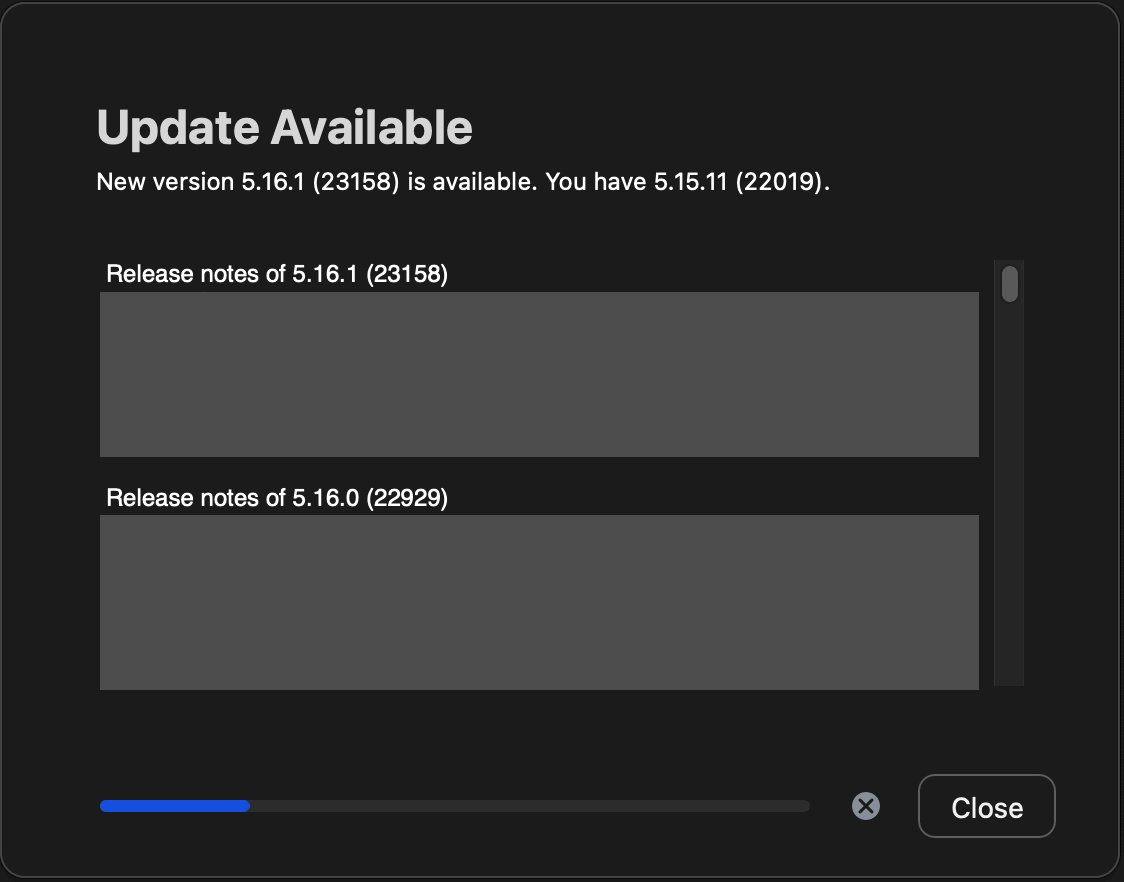
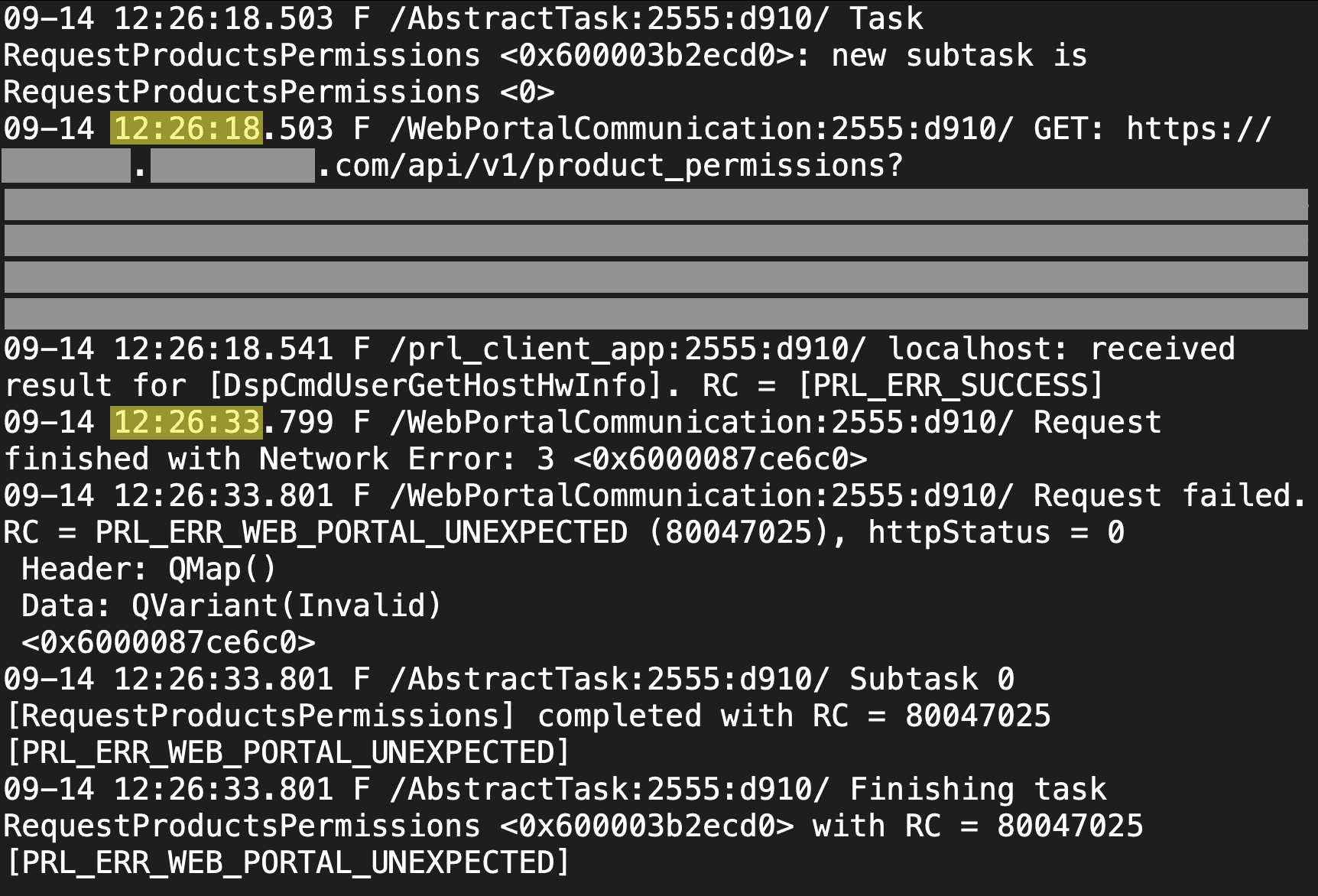
Those I recognize (from interface, branding, strings, etc.):

* Slack -- https://brr.fyi/media/engineering-for-slow-internet/load-err...

* Signal (main screen) -- https://brr.fyi/media/engineering-for-slow-internet/in-app-d...

* 1Password (config/about page) -- https://brr.fyi/media/engineering-for-slow-internet/in-app-d...

* Zoom (updater screen on Mac) -- https://brr.fyi/media/engineering-for-slow-internet/in-app-d...

* Parallels Desktop ("prl_client_app" is the binary name) -- https://brr.fyi/media/engineering-for-slow-internet/hardcode...

Post reply on HN