https://en.wikipedia.org/wiki/ISPF
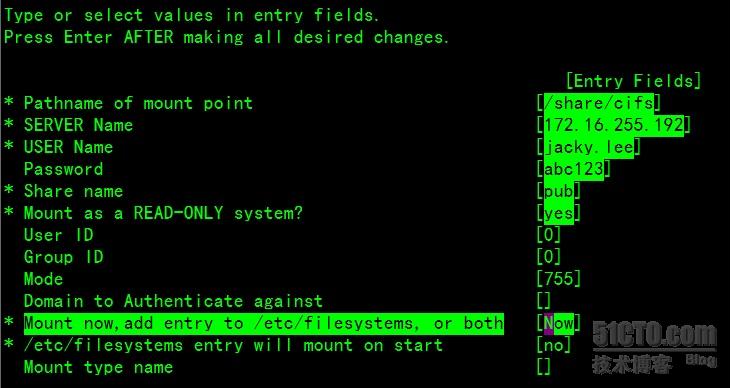
Because the IBM mainframe world was late to the time-sharing party (ISPF was based on TSO, the Time-Sharing Option for System/360 and System/370, because the default mode for mainframes was batch processing from punched cards), and because IBM's 3270 terminal used screen-at-a-time updates instead of character-at-a-time, sending interrupts to the CPU only when Enter or a PF key was pressed, ISPF feels clunky and foreign compared to modern TUIs. But it really had a nice design, providing a vast improvement in UI to the mainframe in the form of a menu-driven interface, with a common API that application developers can use to take advantage of the same interface features as the system provides. There are even comprehensive help screens. Here's a demo of ISPF in action:
https://www.youtube.com/watch?v=IWVD2yM3tsY
This interface, or something like it, is what my mom used during her early days as a customer service rep for a large insurance company back in the 90s. You tab between fields, mash Enter to send the whole form, or hit an F key to take various actions. She became quick and efficient at entering or updating customer data. Then they switched to an all-new, all-shiny J2EE app with a browser front end, and she was completely at sixes and sevens. She may as well have turned into a large insect like Gregor Samsa, because the new UI made her less productive, she was punished for it, and she was not allowed to train with the new UI.
We think of mainframes as old and stodgy, but really what they were built to do they were great at: accepting and processing large amounts of business data and transactions. The workflow for that use case was incredibly streamlined, and modern software businesses could learn a lot from how the mainframe did things.