The Slint website has just been redesigned. And we added a new Royalty-Free License option besides GPL and commercial
Show HN: Slint – A declarative UI toolkit for embedded and desktop
slint.dev
1–10 of 152 posts
The Slint website has just been redesigned. And we added a new Royalty-Free License option besides GPL and commercial
Show HN: Slint – A declarative UI toolkit for embedded and desktop
slint.dev
I used to work in the Medical Device, Bio Tech & consumer device space (~10 years ago), good toolkits for building embedded interactive UIs were few and far between. The idea of having one codebase for both an embedded UI on a low spec device and for a mobile app is really compelling.
I could see a dev kit, based on an existing dev-board and screen, running JS with bindings to this, as a great way to do rapid prototyping and development. Then being able to take that and optimise down to lower cost production hardware.
As with all these toolkits, when it comes to the web and doing rendering via a HTML Canvas you end up with accessibility problems. Not though a fault of not considering it, but its not something you have to consider for an embedded device at all (or you do but it's built from scratch for that specific device). Unfortunately the APIs are just not there yet on the web platform to open up accessibly of these sort of UIs.
I suspect the key selling point of the web version is building demos and simulators for design validation. It makes it super easy to distribute to projects stakeholders and focus groups. We did something in that area for an early version of the UI for the first version of the Bosch Robot Lawnmower, we had demo hardware on the mower, and a UI simulator written in JS. Both used the same custom built UI specification system, so we could iterate the design and demo it via the web, then built it into the embedded software for the hardware prototypes.
Curious also if there are plans for Python API's
Looks really nice! I used to work in the Medical Device, Bio Tech & consumer device space (~10 years ago), good toolkits for building embedded interactive UIs were few and far between. The idea of having one codebase for both an embedded UI on a low spec device and for a mobile app is really compelling. I could see a dev kit, based on an existing dev-board and screen, running JS with bindings to this, as a great way…
Let me elaborate: they seem aliased (everything looks like sampled with nearest neighbor), spacing is non-uniform and overall the style chosen looks somewhat outdated.
The GUI space is crying out for more workable approaches so fresh takes are more than welcome. But going through the website the comparison with other existing options (Qt, Electron etc) is mainly schematic one-liners, good for marketing but not particularly informative. Curious also if there are plans for Python API's
I acknowledge that the comparisons on our webpage footer is primarily for marketing and SEO purposes. This is inspired by the equivalent content on websites like figma.com. The intention is to highlight Slint's unique selling points without delving into extensive discussions about other frameworks.
And yes, we do have plans for Python, that would actually be the next language we want to make bindings for.
I have been using libQt since the last millennium for different projects, this looks more like how I use it as I never really liked QML.
But the comparison page vs qt is a bit thin, what do I gain here and how do the features compare?
It works be nice if the page was more fleshed out in that respect.
It's so refreshing when new stuff comes out for native and not just web web web!
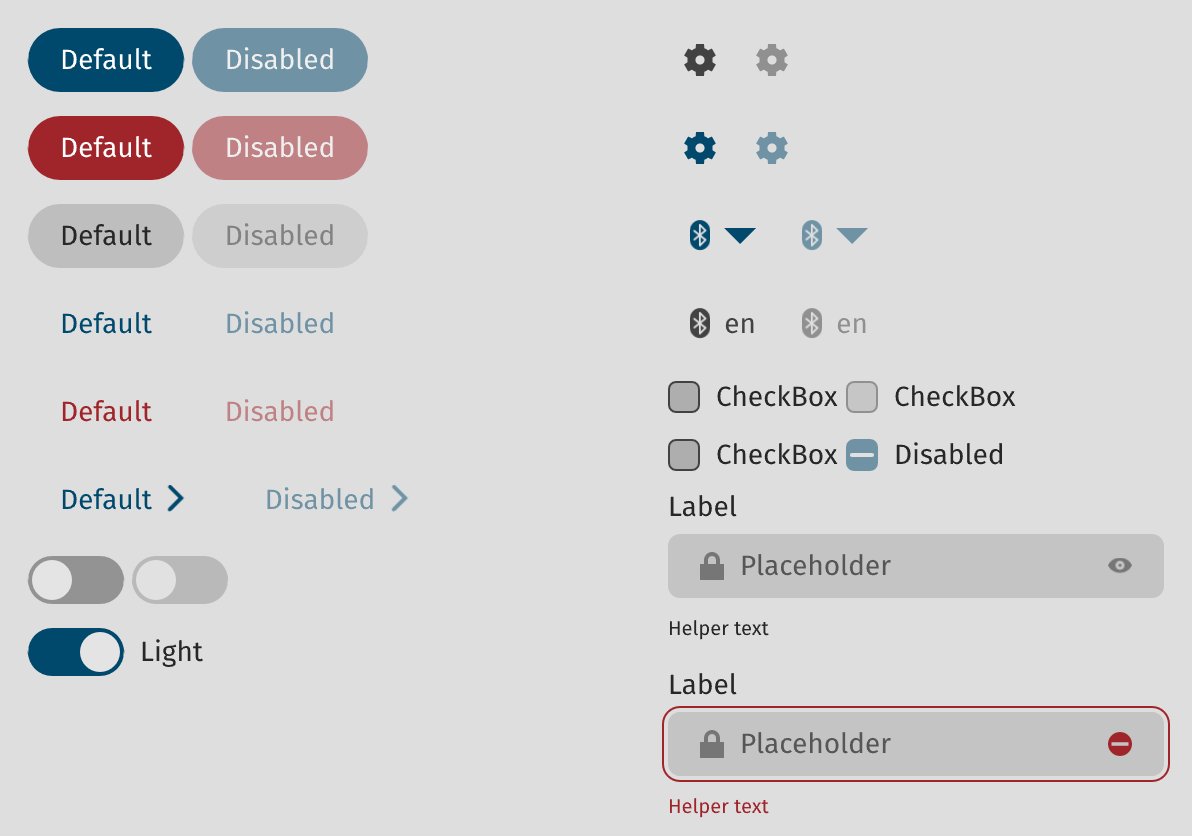
The widgets examples do not look good, unfortunately. Let me elaborate: they seem aliased (everything looks like sampled with nearest neighbor), spacing is non-uniform and overall the style chosen looks somewhat outdated.
For the story, we initially had screenshot of an actual commercial desktop app, but we were asked to remove it by the author until the app is actually released. So we went with that set of of widget instead, which is a prototype of the Cosmic style for Pop!OS)
Edit: We changed the image. (for reference, the previous image was https://slint.dev/assets/img/cosmic_de_popos_light.png )
(Just had some hardship with finally getting an atrociously expensive quote after spending workdays of providing the needed inputs to a HW vendor)