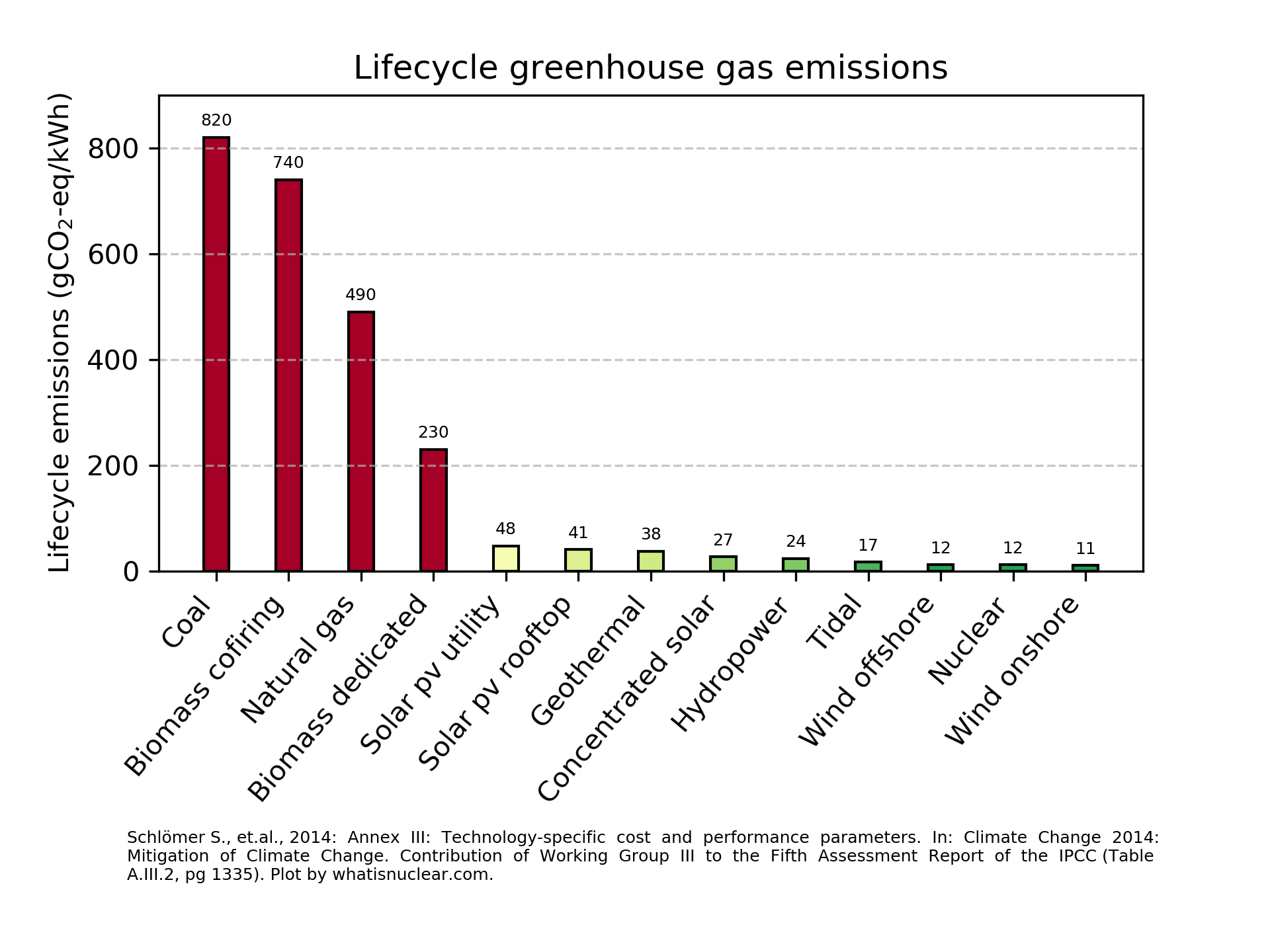
basically you are working from wildly incorrect information and consequently coming to completely incorrect conclusions
it's very difficult to predict future technological developments, especially as to pricing, but getting nuclear power down to the price of pv would require dramatic reductions in the cost of heat engines; the nuclear island is only a part of the cost of a nuclear power plant, and the rest of the plant is by itself enough to make the plant economically uncompetitive
solar panels, as i understand it, contain minuscule quantities of metal; they're mostly silicon and glass, with much smaller amounts of boron, phosphorus, aluminum, copper, silver, and eva. but they are commonly mounted in aluminium frames, on the order of a gram of aluminum per peak watt or ten grams per average watt
refining aluminum or iron from ore does cost a significant amount of energy, but there's no real obstacle to doing it with renewable energy and no fossil fuels; aluminum smelting pots won't even notice, and in the case of steelmaking, the technical problems of reduction with hydrogen are interesting but don't pose a risk to the success of the enterprise. the energy payback time on current solar panels is a few months, which is to say they generate all the energy needed to reproduce themselves (metals and all) in that time
aluminum, silicon, and iron are among the most abundant elements in the earth's crust (#3, #2, and #4, respectively), so there's no real risk of having to dig for them. even copper averages 100 ppm. with silver there's a bit of a pinch, as about 10% of world silver production is going to solar panels; copper works as a substitute but significantly impairs efficiency
windmills use the same kind of electrical generator you'd use in a coal or nuclear plant, just at a lower duty cycle, so at worst they have a small disadvantage relative to fossil fuels in terms of metal use. the counterbalancing advantage is that they don't need steam plumbing or a parsons turbine; windmill blades are fiberglass, not metal
(sometimes generators do use rare elements, but that's just a matter of what's cheaper at the moment)
that's why renewable energy from pv and wind is already much cheaper than fossil energy and continuing to get cheaper
if your conclusion were correct, then despite your posited subsidy from cheap fossil fuels, pv and wind energy would already be more expensive than fossil-fuel energy, as it was until about 02014, because their energy payback time would have to be decades. you're two orders of magnitude outdated