> Avoiding the office saves employees money — in commuting costs, for example It saves money for businesses exponentially more. The office space, associated utilities, physical security, cleaning, supplies, insurance, etc. are insane amount of savings. I owned a small "remote business" in the 90's and it allowed me to be competitive with multi-million ventures.
The Winners of Remote Work
121–130 of 276 posts
Re: The Winners of Remote Work
#122Re: The Winners of Remote Work
#123The Winners of Remote Work don't live in the United States. The pandemic has accelerated globalization.
Only if you consider Remote Global Work. As a European, it is very disheartening to see how many companies espouse "we are now embracing remote work company-wide", which on closer inspection means "California hours +-2h time difference".
Re: The Winners of Remote Work
#124Honest question: Why would a company pay an US based engineer a high salary when they can get a team overseas equally or even more qualified (whatever metrics you prefer to use: leetcode count, school ranking, GitHub stars, etc...) for the same amount of money or less? I understand if you are Raedon/Being/... Wouldn't remote work at least in the US force local engineer to accept less money for their work?
Re: The Winners of Remote Work
#125> There are already examples of how gains are captured by the few and not the many. The New York Times - "Feel Bad About Everything, Always" Remote work is amazing, net on net it vastly improves lives, reduces commute time / traffic / car pollution, reverses the decades long trend of economic activity centralizing in a few boom cities, and I believe will reduce inequality longterm as workers will be able to get good,…
You'd have a stronger argument if remote work didn't have the potential to increase rural living and exurban sprawl, both of which contribute massively to energy waste and ecological destruction. At least in the US. Boom cities were never the problem. The problem is commuting, which stems from a lack of housing. Forcing everyone out of the cities creates a worse set of problems. It means more wasteful roads to nowher…
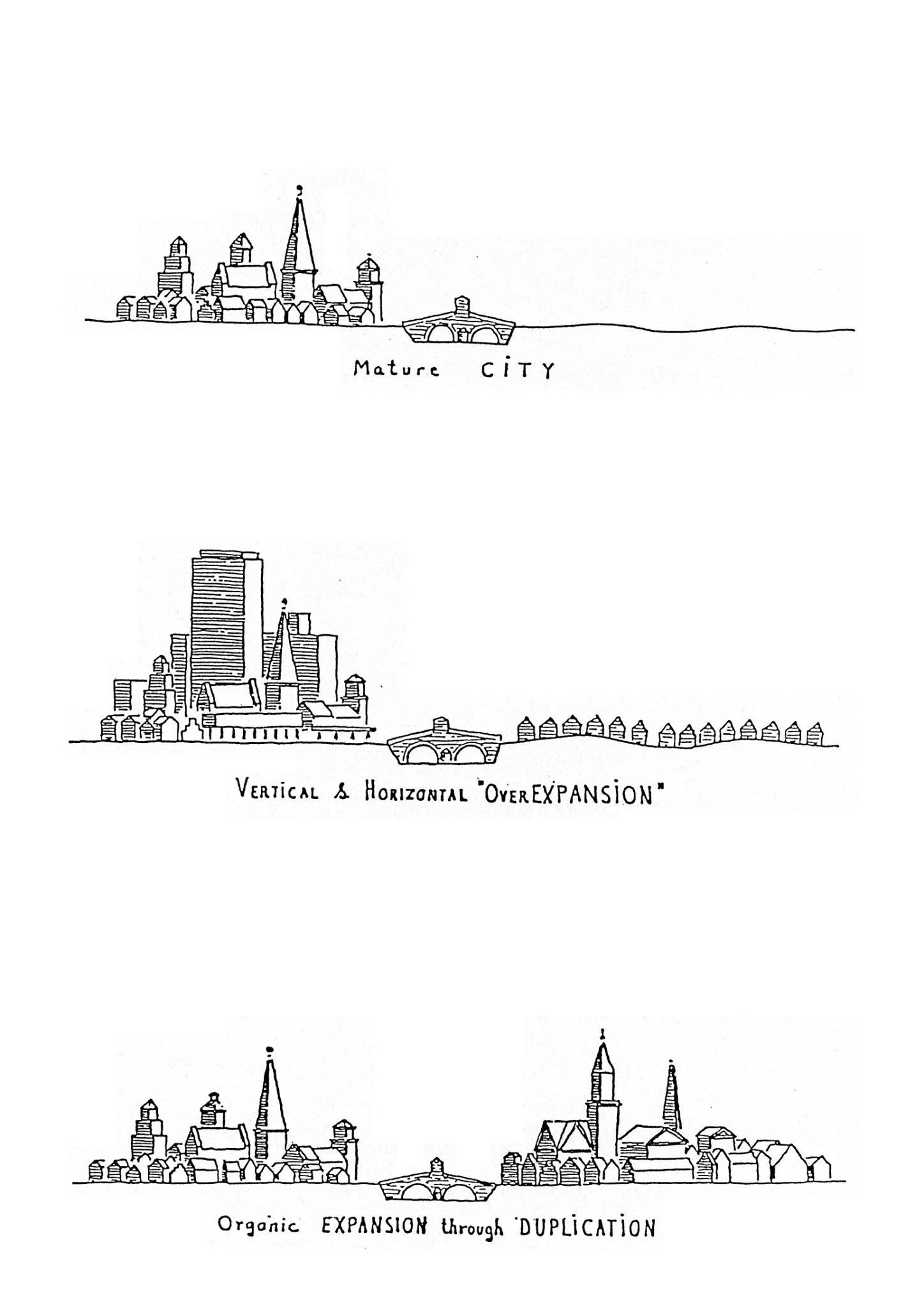
The issue is that we have allowed our built environment to become too centralized. In that sense the Boom Cities ARE the problem. Instead of one strip mall a dozen corner stores on an old school, "It's a wonderful life" small town main streets we have Times Square, and a bunch of overbuilt "new urbanist" attempts to mimic the magic that took 200 years to build.
Leon Krier has made this point visually here. https://pbs.twimg.com/media/EUX70P7UYAEchHS.jpg:large
Re: The Winners of Remote Work
#126Honest question: Why would a company pay an US based engineer a high salary when they can get a team overseas equally or even more qualified (whatever metrics you prefer to use: leetcode count, school ranking, GitHub stars, etc...) for the same amount of money or less? I understand if you are Raedon/Being/... Wouldn't remote work at least in the US force local engineer to accept less money for their work?
Re: The Winners of Remote Work
#127Earlier quoted context omitted.
> In addition to the obvious time zone constraints, I think payroll taxes and such are a major regulatory boundary that you need to cross in addition to having "all your shit together" as one of the top comments puts it. This can be annoying even across state boundaries, let alone internationally, for smaller companies that aren't already operating in several states. Consider also things like group health insurance,…
Right? It boggles the mind that the biggest companies on Earth are the likes of Instagram instead of a huge company called "Adapt" which takes care of all that between employee and employer as a third party.
Also there are vast diferences in labor law between countries
Re: The Winners of Remote Work
#128Honest question: Why would a company pay an US based engineer a high salary when they can get a team overseas equally or even more qualified (whatever metrics you prefer to use: leetcode count, school ranking, GitHub stars, etc...) for the same amount of money or less? I understand if you are Raedon/Being/... Wouldn't remote work at least in the US force local engineer to accept less money for their work?
No. Companies able to manage additional offshore complexity produce enough per engineer to not care for the savings, and the effort required to deal with that complexity can in many cases be more productively spent on growing revenues. Such companies go offshore for additional talent, not savings.
Engineering needs product management. This isn't cheap or easy to do when you're offshoring for cost.
Re: The Winners of Remote Work
#129Honest question: Why would a company pay an US based engineer a high salary when they can get a team overseas equally or even more qualified (whatever metrics you prefer to use: leetcode count, school ranking, GitHub stars, etc...) for the same amount of money or less? I understand if you are Raedon/Being/... Wouldn't remote work at least in the US force local engineer to accept less money for their work?
Re: The Winners of Remote Work
#130Earlier quoted context omitted.
To use an example from the parent post, local, cyclist spin trainers are losing, since people are simply using the Pelaton trainers at home, rather than going to an "in person" spin class. The local, small time trainer can't compete with a celebrity/model trainer. Similar to how TV and movies hurt local theatres. In the end, it is more efficient, but there are "losers".
I'm not convinced a lot of these trends stick post-COVID. A lot of people like the in-person part of the spin class and probably would prefer it to the highly-paid video pro. That said, behaviors will have changed for a lot of things over the course of a couple of years. People have developed new habits. Not all of that--including going into an office five days a week in many cases--are going to just reset.