Are these websites just completely unable to handle a 1000 simultaneous requests?
This is more in the range of 10s of requests per second at this position on HN
11–20 of 65 posts
Are these websites just completely unable to handle a 1000 simultaneous requests?
They're using SQLite which is single threaded and single user by design. So this website will not be able to service that much traffic.
Should be fine for reads. Sqlite.org is dynamic, pulling from sqlite data for ~20% of the pages, and it does fine with HN piling on. The single threaded would be an issue for writes, but I don't see why they would be doing writes for a page view. See https://www.sqlite.org/whentouse.html
Presumably a service uses SQLite to simplify their ops. So long as the caching layer is equally simple to maintain, then SQLite continues to make sense to me
Speaking of,
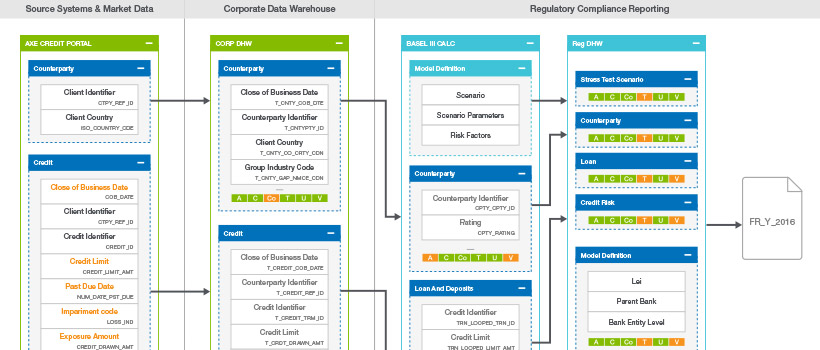
What would an interesting version of "database of databases" look like?
Earlier quoted context omitted.
Should be fine for reads. Sqlite.org is dynamic, pulling from sqlite data for ~20% of the pages, and it does fine with HN piling on. The single threaded would be an issue for writes, but I don't see why they would be doing writes for a page view. See https://www.sqlite.org/whentouse.html
Also, caching layers. Presumably a service uses SQLite to simplify their ops. So long as the caching layer is equally simple to maintain, then SQLite continues to make sense to me
I wonder if that's how it is in production.
Thought it was some groundbreaking new database technology.... Speaking of, What would an interesting version of "database of databases" look like?
Screenshot that makes it easier to understand: https://www.collibra.com/wp-content/uploads/Blog-DataLineage...
Earlier quoted context omitted.
Also, caching layers. Presumably a service uses SQLite to simplify their ops. So long as the caching layer is equally simple to maintain, then SQLite continues to make sense to me
Their repo shows the "DummyCache" (no caching) as the default for the Python/Django setup: https://github.com/cmu-db/dbdb.io/blob/master/dbdb/settings.... I wonder if that's how it is in production.
Any good learning resources for implementing your own DBMS, and DB internals? (not DB theory, not SQL, not intro).