Live data from Hacker News

Sweatpants Forever: How the Fashion Industry Collapsed

nytimes.com

91–100 of 369 posts

Re: Sweatpants Forever: How the Fashion Industry Collapsed

#91

Earlier quoted context omitted.

> They knew that there was a continuous risk of a pandemic But I think so did every country. Wasn't global pandemic at the top of almost every country's national security risk register? They knew it was likely, and they knew it was high-risk. I know for a fact it was at the top of the UK's public national security risk register. You're perpetuating a silly myth that major western countries didn't know this was coming…

There basically wasn't a proper "modern day" pandemic before this. The previous one was the spanish flu in 1918 which was very quickly forgotten due to a much larger pointless massacre (world wars) Air travel increase is a big factor why it got so bad so quickly, even in the past two decades basically everything has changed. We have hundreds millions of people basically teleporting between continents every day.

> We have hundreds millions of people basically teleporting between continents every day

That's hyperbole. In 2019 there were 4.5 billion passengers boarding a flight[1]. Divide by 365 days and you get on the order of 10 million per day, most of which will not be intercontinental.

I don't disagree about the amount of air travel nowadays facilitating pandemics, just wanted to get the numbers straight.

[1] https://www.statista.com/statistics/564717/airline-industry-...

Re: Sweatpants Forever: How the Fashion Industry Collapsed

#92

Honestly I like some aspects of the fashion industry -- shoes, hats, even shirts or collar shirts all have some personality you can showcase who you are and give yourself an identity (I think that's what makes fashion kinda interesting). However, pants? It's not really that different. I could care less lol

Remind me of this[0] Calvin and Hobbes strip

[0] https://thecomicninja.files.wordpress.com/2012/09/calvin-and...

Re: Sweatpants Forever: How the Fashion Industry Collapsed

#93
post #18

Earlier quoted context omitted.

(All comments on culture US centric) - This thinking is why the men’s section is 1/4 as large as the women’s in most stores. Culturally for men clothing is supposed to be above all practical. There are 5 genres of men’s clothes - business (pressed shirts, suits), casual, workout, skater, and comfort (hoodie). Contrast this with the women’s section. Women have an expectation to express themselves and their personality…

This kind of thinking is why I tend to buy as close to a full years worth of clothing whenever I make a trip out to Tokyo. Even in Chicago relatively fashionable men's clothing shops are few and far between

On the Europe side of the map, I find the same practicality in clothes when I shop from Finland. They too have all the brands one expects to see, but Finnish people (please any Finn comment/suggest) are super practical when it comes to clothing. Finns and Danes are my idols on simplicity, practicality and a hint of elegance.

Re: Sweatpants Forever: How the Fashion Industry Collapsed

#94
post #18

Earlier quoted context omitted.

(All comments on culture US centric) - This thinking is why the men’s section is 1/4 as large as the women’s in most stores. Culturally for men clothing is supposed to be above all practical. There are 5 genres of men’s clothes - business (pressed shirts, suits), casual, workout, skater, and comfort (hoodie). Contrast this with the women’s section. Women have an expectation to express themselves and their personality…

> There are 5 genres of men’s clothes - business (pressed shirts, suits), casual, workout, skater, and comfort (hoodie). There’s quite a bit of variation within those. Where I live, “casual” these days is usually something like Columbia PFG - the epitome of “dad clothes”, as my wife tells me. I tend to wear that pretty much exclusively. I substitute jeans for the shorts in winter and buy a new leather jacket about ev…

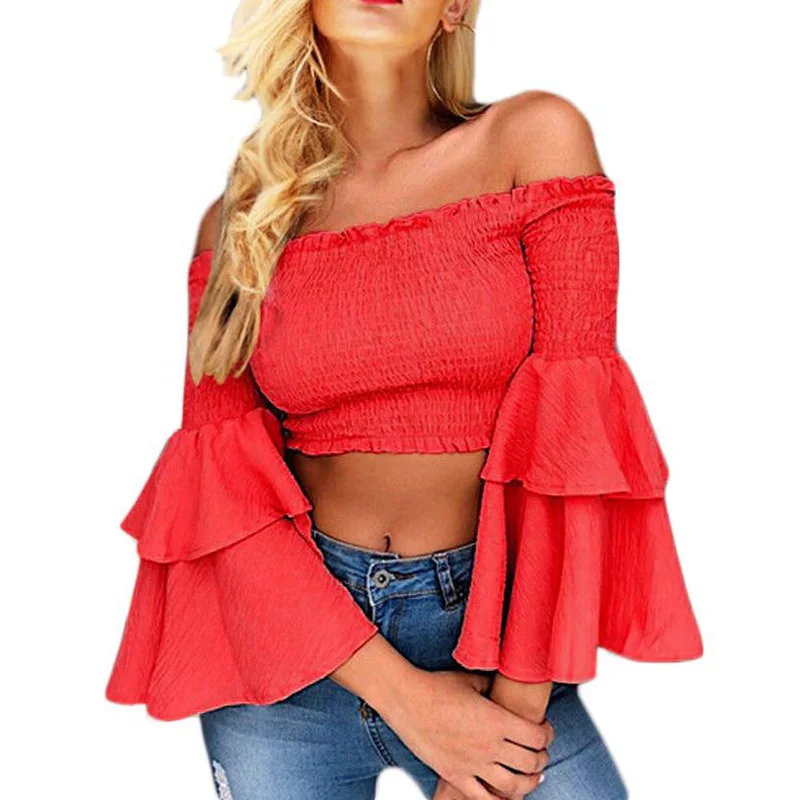
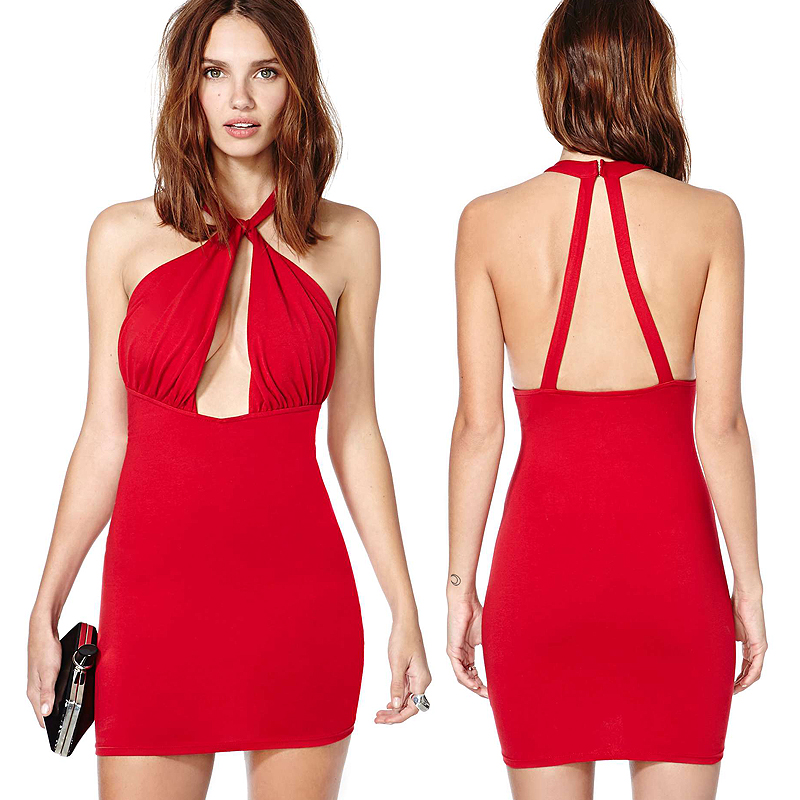
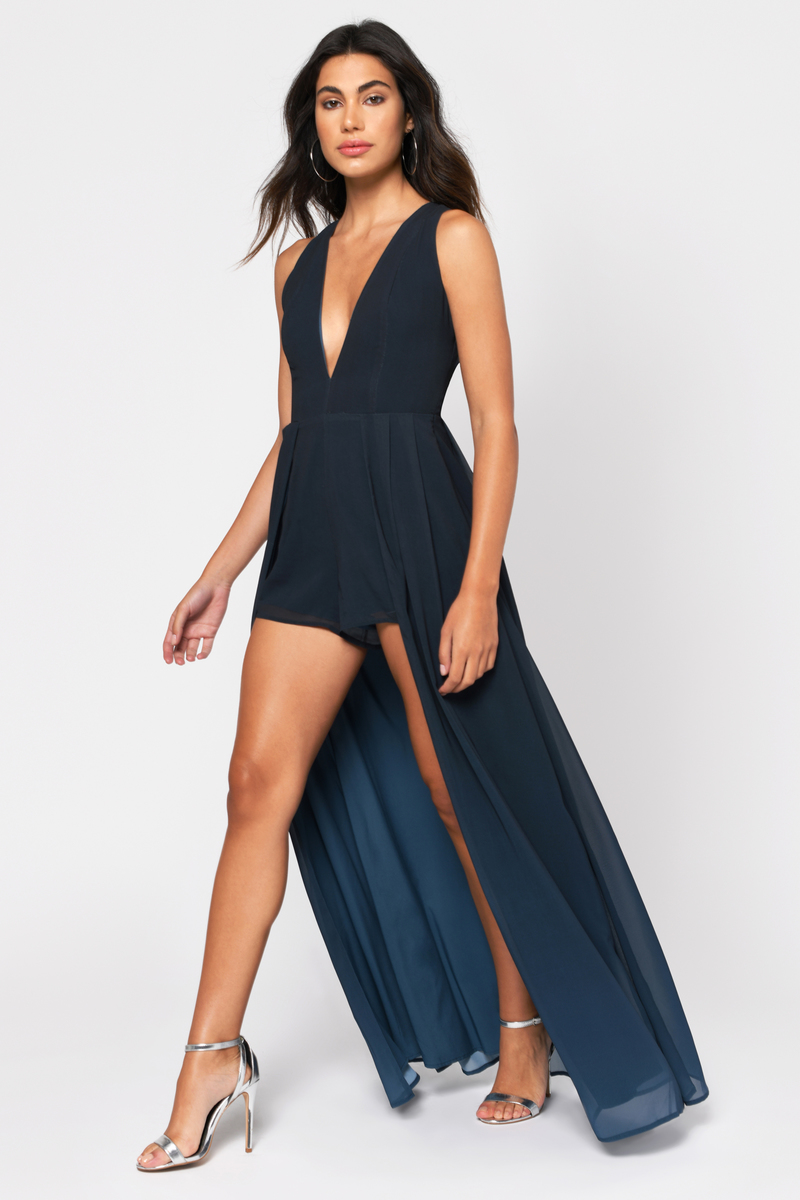
Here are some examples of women’s clothing where I cannot think of the equivalent thing in a men’s clothing department:

https://ae01.alicdn.com/kf/HTB1AawYy29TBuNjy0Fcq6zeiFXaW/Off...

https://patternshub.com/wp-content/uploads/2016/06/Tube-top-...

http://images.asos-media.com/products/asos-cut-out-sleeve-on...

https://cdn.tobi.com/product_images/lg/1/teal-kayla-ombre-ma...

(That last one is a bit of a cheat because manufacturers are starting to produce rompers for men).

Re: Sweatpants Forever: How the Fashion Industry Collapsed

#95
post #52

Earlier quoted context omitted.

Besides being a reductio ad absurdum [0] argument that ads nothing to the discussion, I'll address your comment. Music, Art, Food, Literature and Architecture generally don't go out of style every 6 months (although companies are trying harder and harder to make it so). Nor do they have the same toxic effect on the environment (possible exception: food?) and personal self esteem as high fashion. [0] https://en.wikipe…

You are conflating high fashion and fast fashion. High fashion doesn't go out of style every 6 months. Louis Vuitton still sells the same Monogram purse that they did 10 years ago, likewise my aunt has several $1000+ handbags she has owned for 20+ years. Your comment about high fashion going out of style every 6 months is just untrue, and to the other posters point just highlights the myopic lens in which software en…

High fashion sets the trends (and the 6 month cycle) that the fast fashion outlets follow. When talking about negative influence on society and the environment they're pretty inseparable.

I agree I could have made the distinction between high and fast fashion clearer in my comment though.

For the record, the handbag example is an extreme outlier and not at all illustrative of the how the industry actually functions (makes money).

Re: Sweatpants Forever: How the Fashion Industry Collapsed

#96
post #18
post #5

The collapse of the fashion industry does not mean the clothing industry will collapse. People still need clothing obviously (cheap and of good quality preferably). Also, what do we consider the fashion industry exactly? Most long term clothing trends seem to be dictated by a couple of factors. Consisting of: - practicality. Jeans are good example of this. It's cheap and practical clothing that lasts a long time. - c…

(All comments on culture US centric) - This thinking is why the men’s section is 1/4 as large as the women’s in most stores. Culturally for men clothing is supposed to be above all practical. There are 5 genres of men’s clothes - business (pressed shirts, suits), casual, workout, skater, and comfort (hoodie). Contrast this with the women’s section. Women have an expectation to express themselves and their personality…

there are tons more than 5 styles for guys (workwear, techwear, superfuture, dark, etc) but strongly agree that there are enormous differences in male vs female clothing trends.

Male fashion is on something like a 10 years cycle and you can find tons of brands focusing on quality or durability.

Female fashion seems to obsess about the latest trend and change dramatically every 3-months to a year.

Probably lots of cultural bias there, not sure how much this applies in all countries.

I kinda hope that fast fashion is not what's going to survive, between ecology and employment practices, they are not really my favorite.

Re: Sweatpants Forever: How the Fashion Industry Collapsed

#97
My preference is to buy full black jeans and shirts, 10 at a time. They look good and don’t go out of style. No insecurity when going outdoors and tons of cognitive load freed up for other stuff every morning. Instead of having to choose an outfit every morning... It’s too exhausting to keep up with trends ;)

Re: Sweatpants Forever: How the Fashion Industry Collapsed

#98

https://en.wikipedia.org/wiki/Sans-culottes

Now that golfers no longer wear knickerbockers, I guess we're all pretty much sans-culottes. (How about 3/4 pants among the patagucci crowd?)

My thought was more of the dramatic shifts in fashion which can follow a sudden political and economic shock, as with the French Revolution.

Fashion evolves toward ever greater complexity as a Veblen status-signalling good, then recapitulates. Often it is lower-class wear which emerges as the new standard, then progresses through the cycle again, often being elevated to the status of elite wear: dinner jackets, morning coats, longe suit, three-piece suit, dungarees, designer jeans, button-downs and khakis, etc.

Several of those transitions followed major shocks: WWI, Great Depression, WWII, the Civil Rights and anti-Vietnam movements especially. The 2001, 2007, and 2020 economic panics similarly, though the last most notably IMO.

(Arguably Fast Fashion was a business response to the 2007-9 crisis.)

The fast-fashion trend seemed heading for a fall. Covid-19 delivered the kick.

https://en.wikipedia.org/wiki/History_of_suits

Re: Sweatpants Forever: How the Fashion Industry Collapsed

#100

Earlier quoted context omitted.

This kind of thinking is why I tend to buy as close to a full years worth of clothing whenever I make a trip out to Tokyo. Even in Chicago relatively fashionable men's clothing shops are few and far between

What do you find so interesting and where do you shop? I like Uniqlo and Muji but now that Uniqlo is available (in-store) in Chicago theres no need to buy it in Japan. I’m not particularly into fashion but I like mainstream but trendy clothes. I think Japanese fashion is less about the clothes themselves than the acceptance to let people wear what they want and and not judging. I think it’s more acceptable to match d…

not op but brands like visvim are way more affordable if you are in Japan. Less expensive brands like OrSlow or TCB are also more affordable in Japan (there is a wealth of fashion brands in that country).

>I think Japanese fashion is less about the clothes themselves than the acceptance to let people wear what they want and and not judging.

In my experience this mostly applies if you are young. At a certain age you are more or less expected to start fitting in the mold.

Post reply on HN