Earlier quoted context omitted.
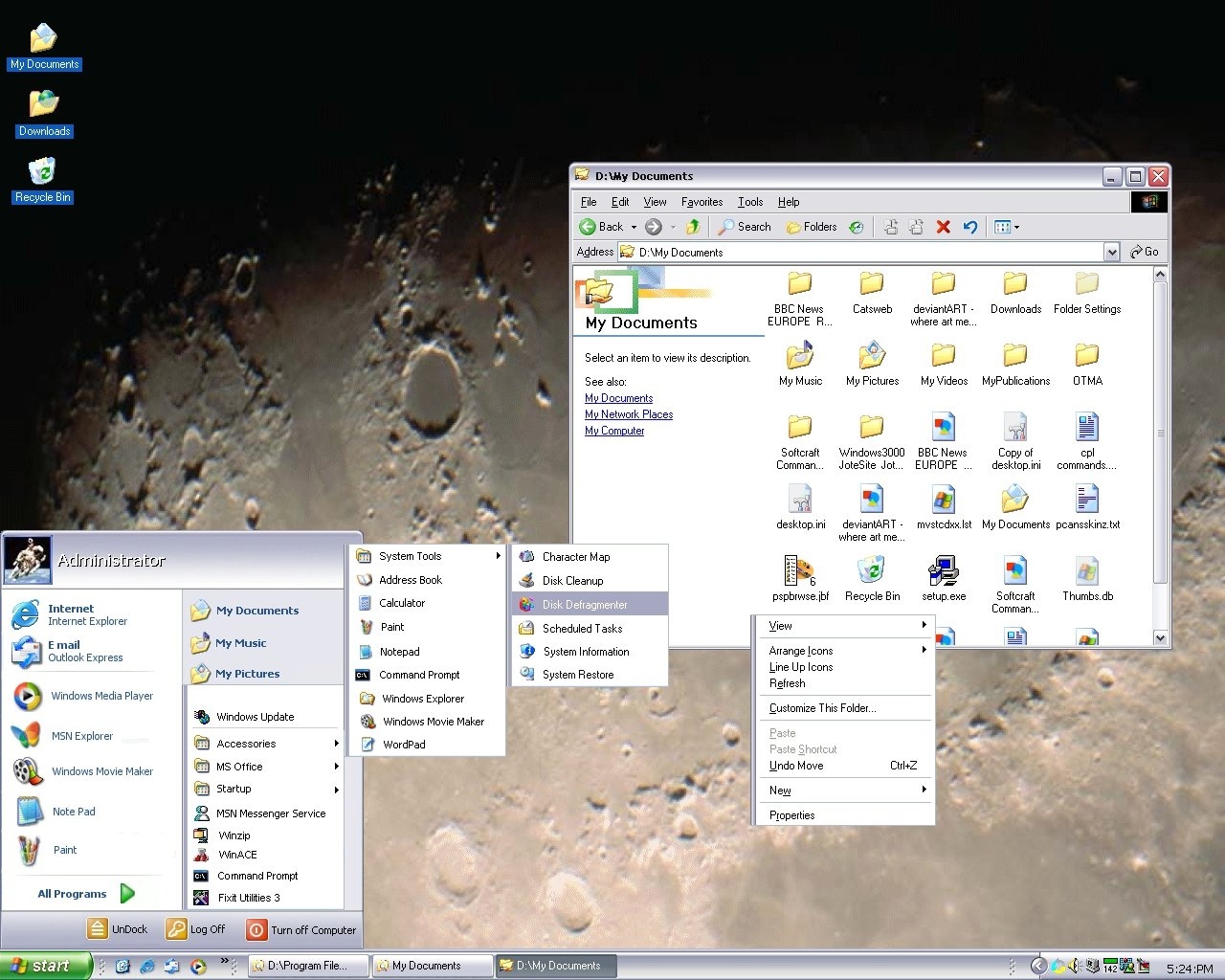
It's sad that they got rid of it in windows 8 and later. >the classic theme was a lot leaner on system resources maybe , but it probably also made things run slower because it forces everything to be done in software rather than hardware. https://devblogs.microsoft.com/oldnewthing/20130327-00/?p=48... >Starting in Windows Vista, a lot of visual effects were offloaded to the graphics card. Consequently, the impact on…
There's no real way to translate the classic theme "as designed" to hi-DPI systems, AFAIK; let alone to allow it to freely morph between desktop and tablet interaction paradigms when you dock/undock a two-in-one. You could in theory design a modern UI that resembles the classic UI, but it wouldn't really be "the classic UI". A large part of what makes the classic UI have the particular look it does is that it has cus…
The classic theme supports arbitrary sizes (in px or "device-independent" units) for both text and widgets, which addresses HiDPI and touch readiness. What it might have trouble with however is mixed DPI, where moving a window across two screens requires rendering it with different pixel densities. But that was not on the horizon in the Windows 8.x days.