Earlier quoted context omitted.
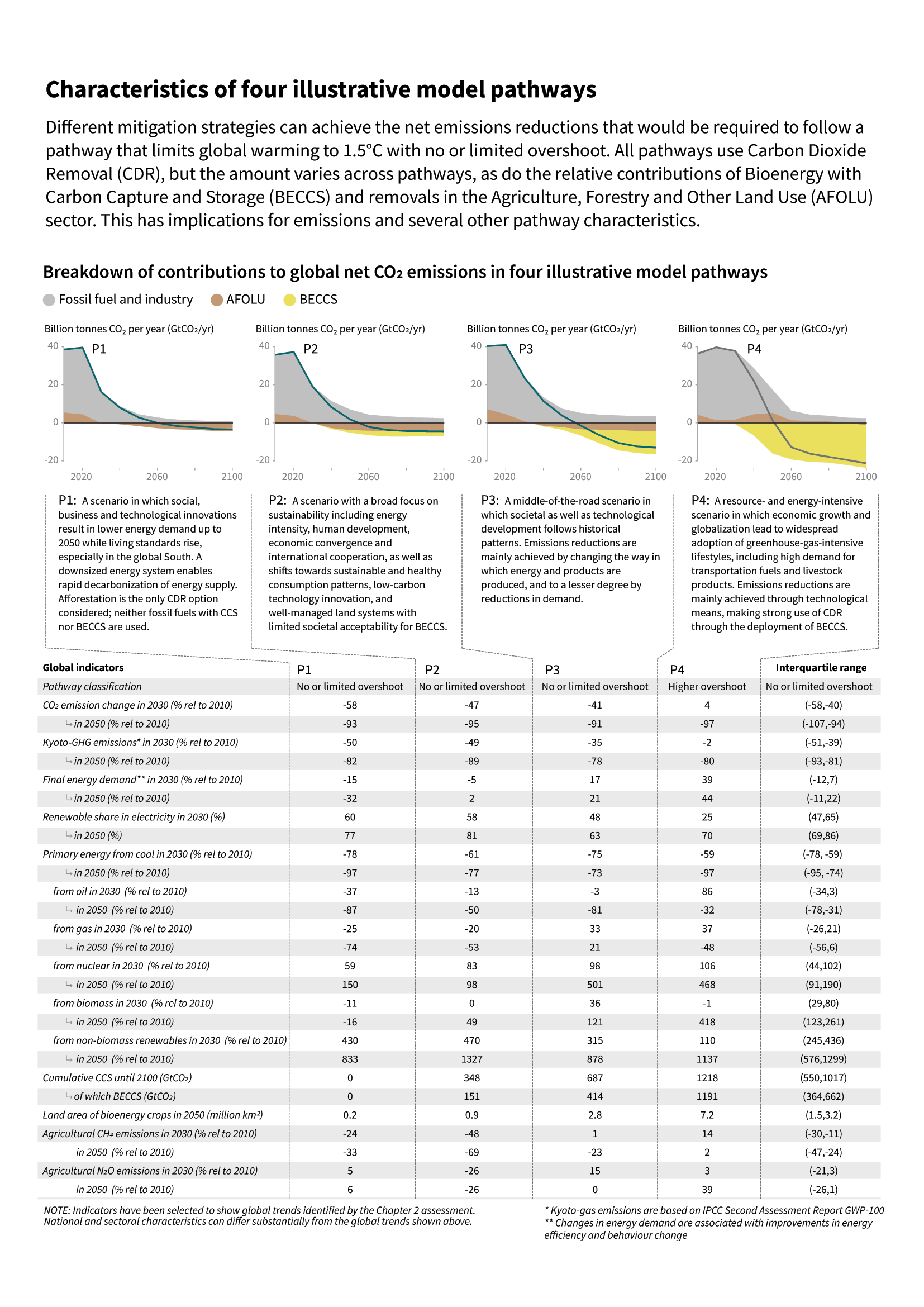
This is true. We should be able to reach net-zero emissions in the energy industry by around 2040 (optimistic, but realistic target), and even produce enough clean electricity to power clean electric solutions in transport/agriculture/industrial/appliance sectors (which are the other main contributors to net GHG emissions). The only problem is that a lot of this technology is still missing / not adopting fast enough.…
> and even produce enough clean electricity to power clean electric solutions in transport/agriculture/industrial/appliance sectors The agriculture part is overly optimistic. Agriculture entails GHG emissions from deforestation, fertilizer production, ruminant methane, NOx emissions, soil carbon depletion and other secondary effects. It's not like we can solve our problems by electrifying tractors.
There isn't net deforestation globally, though.
> ruminant methane
Yeah, this is one of the hardest ones to fix, but I think lab grown meat will get there eventually. Like I said, I'm not optimistic animal agriculture will have sufficient technology to eliminate most of its emissions in time - that's why we need CCS in the meantime.
My point is, the energy industry will be ready with extra capacity to power clean agriculture solutions when they are ready.
> It's not like we can solve our problems by electrifying tractors.
I don't think that's the route we should go.
Primarily indoor farming seems to be a much better long term route for plants, I prefer if we eventually get rid of most rural farmland and slowly shift it back to nature.
Cover our flat city rooftops with small farms and trees, and produce most plant agriculture indoor very close to the consumer in indoor vertical farms. Controlled environment + indoor climate, more resource efficiency, almost no risk of infections, no need for most of the chemicals we use today.