You know, I think touchscreens are not preferable unless you need/want to be able to have controls for many different systems in the same space (e.g. a smartphone with multiple apps). If you are needing a dedicated control for a high-stakes system, the fact that it's a more modern-looking interface should not matter. Touchscreens are inherently inferior to a mechanical interface, if it's a single-system (i.e. doesn't…
> i.e. doesn't need to morph into a different and back again The UX terminology for what you're describing is a modal interface : https://en.wikipedia.org/wiki/Mode_(user_interface) ... which is to say, an interface that works differently depending on what "mode" the interface is in. A classic example of a modal interface is vi/vim, where you have to explicitly switch into "editing" mode in order to actually insert t…
http://www.psd-dude.com/tutorials/resources-images/adobe-pho...
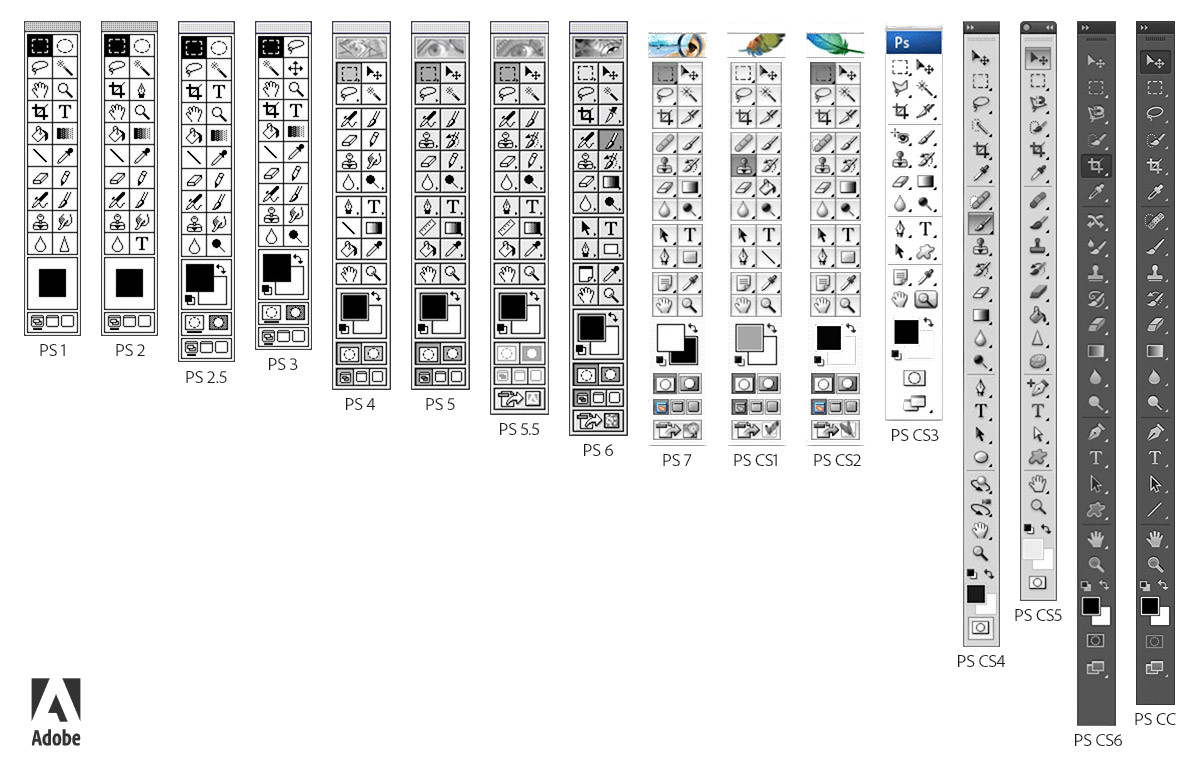
https://en.wikipedia.org/wiki/MacPaint
It does not take much work for a Photoshop operator to orient themselves to the current mode, because it is communicated by a number of cues, including the shape of the mouse pointer.
One problem with vi’s interface is that, in contrast to Photoshop, it’s not easy for a vi operator to discover the available modes.
Are there any paint programs without a modal interface?