I think Python is a poor choice for UI because it doesn't have a history of handling asynchronous things well. It leans on Qt a lot.
But I also disagree that the styling is quite limited. Yeah, css in Qt is pretty limited, but creating a custom widget doesn't require all that much intimate knowledge (depending how custom we're talking). You can tweak the behavior of default widgets easily, you can draw a completely new one by painting and following the rules (for sizing, redrawing, etc). For new interaction models you'll need to be more familiar with the internals, but that's the case if you're stretching the limits of any framework.
Qt works really well for cross-platform apps that adhere to the OS' style and behavior. I think way too many apps waste time and frustrate users by reinventing the wheel. QML seems to be their approach to UIs untethered to the host OS (I don't have any experience) and seems to be their focus for the past handful of years. Their Qt (Widget) demos always show a bunch of cool features I rarely use, but I do pilfer their code for examples when I need something.
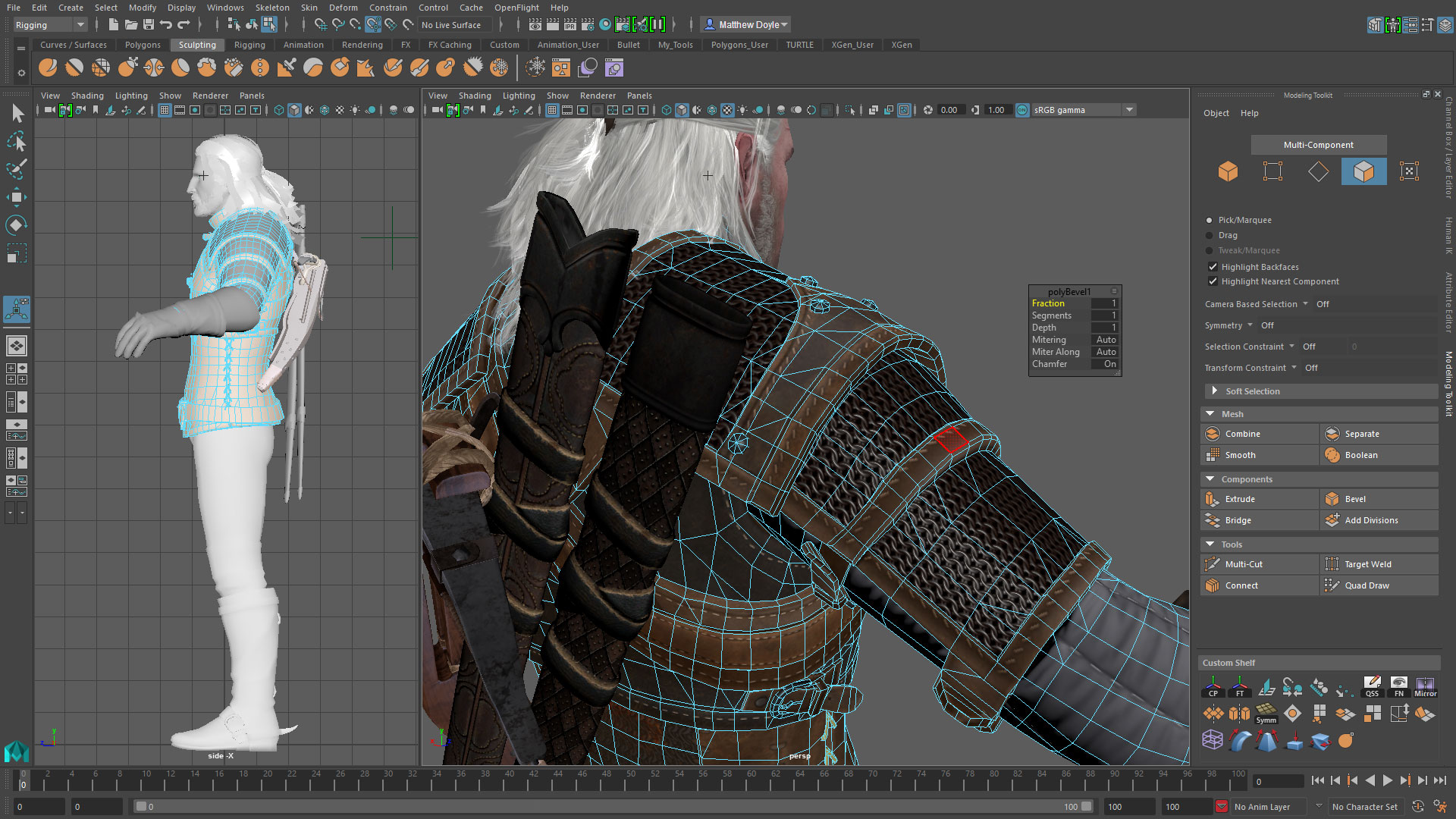
For a Discord like example; Maya, Nuke, and Houdini were all originally developed using their own UI toolkits and have migrated to Qt while maintaining each of their distinctive behaviors. They are all cross platform and require relatively low overhead and high performance with heavily customized UI behaviors.
Maya: https://damassets.autodesk.net/content/dam/autodesk/www/camp...
Nuke: https://www.foundry.com/sites/default/files/styles/teaser/pu...
Houdini: https://d2wvmrjymyrujw.cloudfront.net/media/uploads/products...
These apps did fork Qt5 when they moved from Qt4 to Qt5, but it was mostly Qt4 regressions and did it in a way intending to contribute their changes back into Qt mainline.