Live data from Hacker News

Why hasn't economic progress lowered work hours more? (2016) [video]

youtube.com

11–20 of 225 posts

Re: Why hasn't economic progress lowered work hours more? (2016) [video]

#11
Inflation, taxes, and regulatory burden.

Savings have been systematically eroded for 50+ years. Total taxation is now 40+% of GDP. Private sector workforce participation is dropping. Regulatory burden dramatically increases health care, housing, and transportation costs.

All of these policies have worked to keep you in the office.
Re: Why hasn't economic progress lowered work hours more? (2016) [video]

#12
post #5

People's perceived needs grow but that is not the whole story. Many people now are spending almost 50% of their pre-tax income on housing, and most of that is the price of land and goes to landlords. It seems that landlords inevitably capture a big chunk of people's salary increases. Additionally in the US your health insurance is generally tied to your job; even after Obamacare you probably have to work to pay for y…

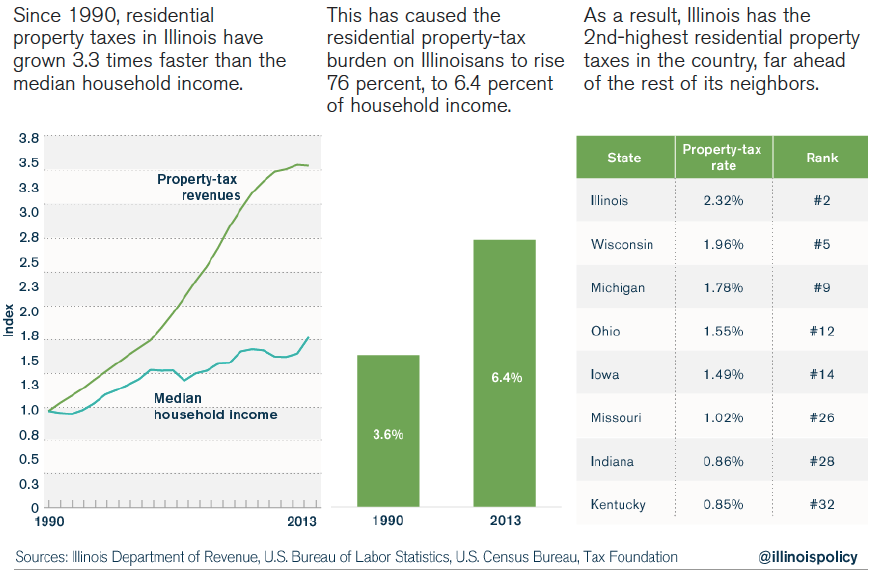
Housing price increase just doesn't go to landlords. It goes to City and state coffers via tax. Chicago had two housing tax hikes in 2017, for example.

Edit: Added links

> For homeowners in Chicago, the average increase is 10 percent. https://rebootillinois.com/2017/06/13/big-property-tax-hike-...

> Summary over past couple of decades

https://d2dv7hze646xr.cloudfront.net/wp-content/uploads/2015...

Re: Why hasn't economic progress lowered work hours more? (2016) [video]

#13
I think economic would eventually benefit economic itself first. BUT what I want to say about this problem is I don't think such number really means so much. Numbers tell you something of course, but they are just part of aspects after all. And I have always a prejudice that the whole economic system is some kind of lie about trust, which is useful in old days. but today that more likely we just have no courage and power to change it.

However after watching I think is only a way of life vs way people view others.We would soon notice something we want to notice

Re: Why hasn't economic progress lowered work hours more? (2016) [video]

#14
post #11

Inflation, taxes, and regulatory burden. Savings have been systematically eroded for 50+ years. Total taxation is now 40+% of GDP. Private sector workforce participation is dropping. Regulatory burden dramatically increases health care, housing, and transportation costs. All of these policies have worked to keep you in the office.

Absolutely true. As a small business owner, the amount of regulatory and accounting overhead beggars the imagination. I only hire consultants, due to the lower overhead and paperwork burden - I couldn’t even imagine hiring an employee.

Re: Why hasn't economic progress lowered work hours more? (2016) [video]

#15
post #11

Inflation, taxes, and regulatory burden. Savings have been systematically eroded for 50+ years. Total taxation is now 40+% of GDP. Private sector workforce participation is dropping. Regulatory burden dramatically increases health care, housing, and transportation costs. All of these policies have worked to keep you in the office.

Inflation is not the reason.

Practically all savings give returns above the inflation. Interests respond to changes in inflation. If you look at the real returns, you can see that they are surprisingly stable.

Fixation with nominal valuations is a sign of financial illiteracy.

Re: Why hasn't economic progress lowered work hours more? (2016) [video]

#16
post #5

People's perceived needs grow but that is not the whole story. Many people now are spending almost 50% of their pre-tax income on housing, and most of that is the price of land and goes to landlords. It seems that landlords inevitably capture a big chunk of people's salary increases. Additionally in the US your health insurance is generally tied to your job; even after Obamacare you probably have to work to pay for y…

Housing price increase just doesn't go to landlords. It goes to City and state coffers via tax. Chicago had two housing tax hikes in 2017, for example. Edit: Added links > For homeowners in Chicago, the average increase is 10 percent. https://rebootillinois.com/2017/06/13/big-property-tax-hike-... > Summary over past couple of decades https://d2dv7hze646xr.cloudfront.net/wp-content/uploads/2015...

Confused by the downvotes here. In almost all of America (looking at you Cali) the property taxes are reassessed yearly to the value of the home.

This is how we want it. The three blocks in every direction surrounding a middle school shouldn’t be populated by 80 year old retirees.

Re: Why hasn't economic progress lowered work hours more? (2016) [video]

#17
post #4

Because we are never satisfied with a stable standard of living; people want to live better than their parents did. Automation only decreases the need for labor if you hold standard of living constant.

It has been constant for almost half a century for the middle class, yet everyone is working more for the same not less.

How exactly can you live better than your parents, assuming they had a house, a car or two, phones, TV, computers, access to supermarkets of all kinds, enough money for living expenses and a hobby or yearly vacation...

Re: Why hasn't economic progress lowered work hours more? (2016) [video]

#18

Among other good reasons mentioned here lets not forget inequality went up and a lot of the progress is materialized at the top.

In the US. Inequality has dropped significantly. A large portion of the gains to America were captured by its elite. The large portion of the gains in other parts of the world have lifted billions out of poverty.

Turns out globalization is good or bad depending on who you are and where you are.

Re: Why hasn't economic progress lowered work hours more? (2016) [video]

#19
post #5

People's perceived needs grow but that is not the whole story. Many people now are spending almost 50% of their pre-tax income on housing, and most of that is the price of land and goes to landlords. It seems that landlords inevitably capture a big chunk of people's salary increases. Additionally in the US your health insurance is generally tied to your job; even after Obamacare you probably have to work to pay for y…

Housing price increase just doesn't go to landlords. It goes to City and state coffers via tax. Chicago had two housing tax hikes in 2017, for example. Edit: Added links > For homeowners in Chicago, the average increase is 10 percent. https://rebootillinois.com/2017/06/13/big-property-tax-hike-... > Summary over past couple of decades https://d2dv7hze646xr.cloudfront.net/wp-content/uploads/2015...

The fact that this is true and it’s really hard to make more land is the entire basis of Georgism, or Land Value Tax.

https://en.m.wikipedia.org/wiki/Land_value_tax

Re: Why hasn't economic progress lowered work hours more? (2016) [video]

#20
post #17
post #4

Because we are never satisfied with a stable standard of living; people want to live better than their parents did. Automation only decreases the need for labor if you hold standard of living constant.

It has been constant for almost half a century for the middle class, yet everyone is working more for the same not less. How exactly can you live better than your parents, assuming they had a house, a car or two, phones, TV, computers, access to supermarkets of all kinds, enough money for living expenses and a hobby or yearly vacation...

Go watch a sitcom from the 50s and compare it your surroundings. Hopefully you come to the conclusion that your standard of living is immensely greater than theirs was.

If you are thinking of things like the cost of college don’t forget to factor in how many people go to college today versus back then. If you are thinking about the cost of housing, we still have the same land and a growing population. I’m city centers the demand has multiplied significantly since then so we expect relative cost of the land to multiply.

Post reply on HN