Whoa $121k in Spain that's a superstar salary for a programmer there. Average for programmer according to glassdoor is 35,000 euro = ~42,000 usd.
New Remote-First Formula and Updated Salary Calculator
61–70 of 169 posts
Re: New Remote-First Formula and Updated Salary Calculator
#62Earlier quoted context omitted.
I'm going to target in on "bad life choice", most people end up where family are, especially if they have kids, schools are good, jobs are available. I don't think anyone who works remote starts in Nashville then goes to NYC on some thought they could get a salary increase to cover.
I don't think anyone who works remote starts in Nashville then goes to NYC on some thought they could get a salary increase to cover. I may be misunderstanding what you're saying, but people definitely move from places like Nashville (where I live now) to places like SF and NYC (where I'm moving next year) to increase their salary. No one pays devs mid-six-figures in Nashville, but you can make that in SF and NYC (no…
Re: New Remote-First Formula and Updated Salary Calculator
#63Another company that does open salary calculations is Gitlab: https://about.gitlab.com/jobs/developer/#compensation (this is a random developer job, you can check out other positions @ https://about.gitlab.com/jobs/ ) Here's the feature ticket: https://gitlab.com/gitlab-com/www-gitlab-com/issues/831 Disclaimer: I don't work for Gitlab, but I am a pretty biased rabid fan.
Edit: It seems the COL is pegged to NYC but averaged for the entire state if you're not in one of a few select major metros. Someone who lives in Atlanta will make the exact same as someone living in rural Georgia? Come on.
Re: New Remote-First Formula and Updated Salary Calculator
#64Another company that does open salary calculations is Gitlab: https://about.gitlab.com/jobs/developer/#compensation (this is a random developer job, you can check out other positions @ https://about.gitlab.com/jobs/ ) Here's the feature ticket: https://gitlab.com/gitlab-com/www-gitlab-com/issues/831 Disclaimer: I don't work for Gitlab, but I am a pretty biased rabid fan.
Comparing Toronto (and much of Canada) in that tool to elsewhere was kind of depressing. Especially as the average salaries I've been shown ritually start higher than most places are willing to offer. I find companies who build out those calculators usually work with the most conservative data.
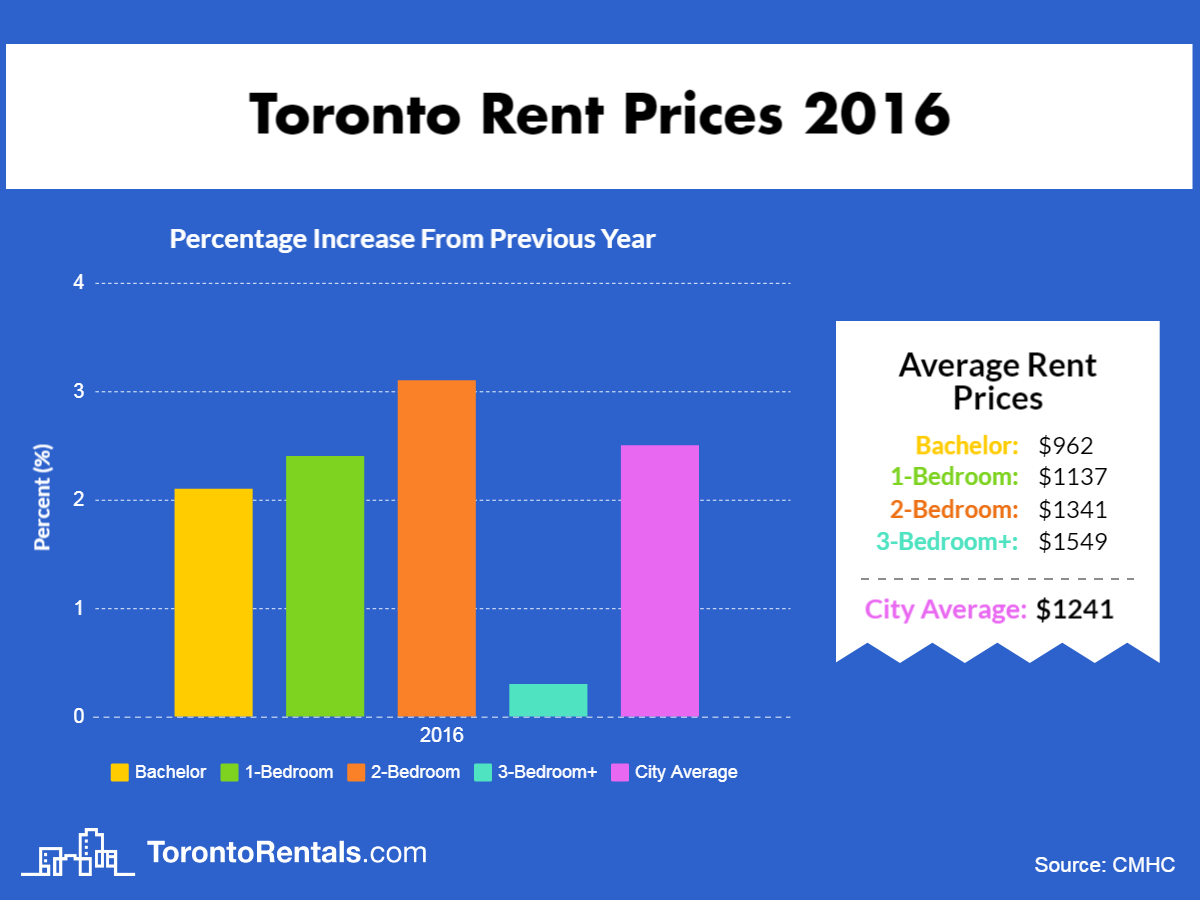
A big marker in their calculation was a rent price index given as a comparison to New York average prices as a benchmark.
Some external data points to Toronto rents sitting around $1300 for a 900 sqft unit[0]. Local city data puts an average 1 bed unit at ~ $1800 - $1920 (~ 700 - 900 sqft) — this spans to areas outside of the downtown region.[1a,b] You can also easily pay much higher than average in Toronto, depending on which part of the city you're living in.[1c]
Gitlab's NYC has a baseline index of 1 and Toronto with a rent index of 0.426. Brooklynn apartments come in around the same[2a,b] as /just slightly higher than Toronto.
Am I missing something? The interpretation seems grossly flawed, and it's used as justification all over the map for lowering salaries, or keeping them low. Has anybody worked on the provability of this kind of data being used, and how? Taking an average rent across a metropolis seems to make all kinds of assumptions that aren't even close to real-world.
Maybe it would be more honest to perform regular price-scrapes of apartment listing websites, putting together a custom index. Couple that with a model that looks at keywords, locations, and even photos for applying quality of life metric that could influence the outcome of the learning. I wouldn't expect every company running this program to put together something like that, but employing such a service would likely yield very different results, no?
Can somebody with more experience in this area weigh in?
---
[0] https://www.torontorentals.com/blog/wp-content/uploads/block...
[1a] http://www.cbc.ca/news/canada/toronto/rent-toronto-canada-1.... [1b] https://blog.padmapper.com/canadian-rent-trends [1c] https://condos.ca/toronto/yorkville
[2a] https://www.timeout.com/newyork/blog/map-of-average-rent-by-... [2b] http://blog.nakedapartments.com.s3.amazonaws.com/blog/wp-con...
Re: New Remote-First Formula and Updated Salary Calculator
#65There is a lot of typical HN negative analysis in this discussion. Let's step back and applaud the fact that this is open. Who else does that? People don't do it because they are afraid of this type of negative analysis. This is a very cool comparison for those who don't have concrete numbers to take into HR. Thanks for sharing Buffer!
Re: New Remote-First Formula and Updated Salary Calculator
#66Earlier quoted context omitted.
That only reports base salary, making it worse than useless.
If you're applying to non-public companies where the stock isn't liquid, it's very hard to compare different packages across companies. Benefits are another story, and I'd love to see triplebyte release some data about those.
Re: New Remote-First Formula and Updated Salary Calculator
#67If you're a fantastic dev (or whatever), why would you work here when other companies will pay you a lot more?
Re: New Remote-First Formula and Updated Salary Calculator
#68Re: New Remote-First Formula and Updated Salary Calculator
#69Initially when I saw this open salary approach and especially the calculator I was intrigued. But you cannot make salaries into a formula and get 100% good results. The approach Basecamp (37signals) has with picking a location, then paying people based on 95% percentile (top 5%) market rate regardless of where they live is just much easier to explain to employees than some arbitrary multiplier thing that just leads t…
Re: New Remote-First Formula and Updated Salary Calculator
#70Why do companies continue to pay out higher salaries to devs in high cost of living areas? In this case, their payscale pays out 30-50K more in high cost living areas vs low cost areas. Rather than blow revenue rewarding bad life choices, offer to move them to an area with lower costs of living. Do that for only 10 employees and you have 300-500K EVERY SINGLE YEAR to re-invest into your company. In practically any ot…
Because if you do that, they'll find another employer that doesn't force them to move. Living in a high cost area is not a "bad life choice".