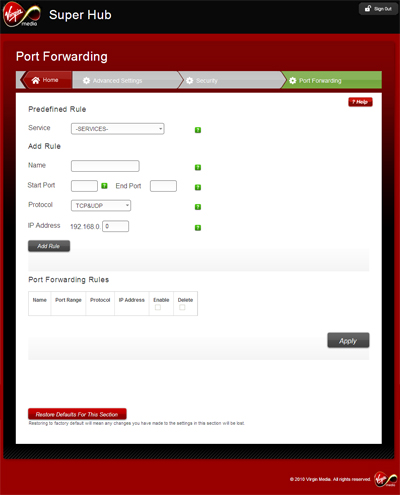
>It's not a novelty that allowing UDP port 1900 traffic from the Internet to your home printer or such is not a good idea. How would this even be possible? Home routers have to NAT everything. Normally you have to set up reverse NAT to get ports forwarded to the LAN.
You don't have to have a router. The apartment building where I live have fiber, with twisted pair to each apartment. DHCP leases from the apartment gives you an external IP. It's possible to hook up a switch and get DHCP leases for multiple devices. I assume there's an upper limit, I've only tried it with two devices.
Now, let's say I hook up a printer to a switch in that configuration. Is it smart enough to not respond to UPnP coming from globally routable addresses?
This is why ingress filtering is important.