I don't think it's just conservatism. When buying a guitar, most buyers are primarily concerned with three things: does it sound good, is it easy to play, and does it look good.
Graphite and carbon fiber has superior properties in some respect, but substituting carbon fiber for wood doesn't necessarily make the guitar sound or look better or improve playability. Compared to acoustic instruments, electric guitars are low maintenance and durable. People in very humid or very dry environments might prefer carbon fiber to wood, but for most of us, wood is fine.
Robotuners similarly don't solve a significant problem that most players have, and they're complex and probably costly to make and introduce a battery to a guitar that didn't need one before. The convenience of automatic tuners probably aren't worth the costs.
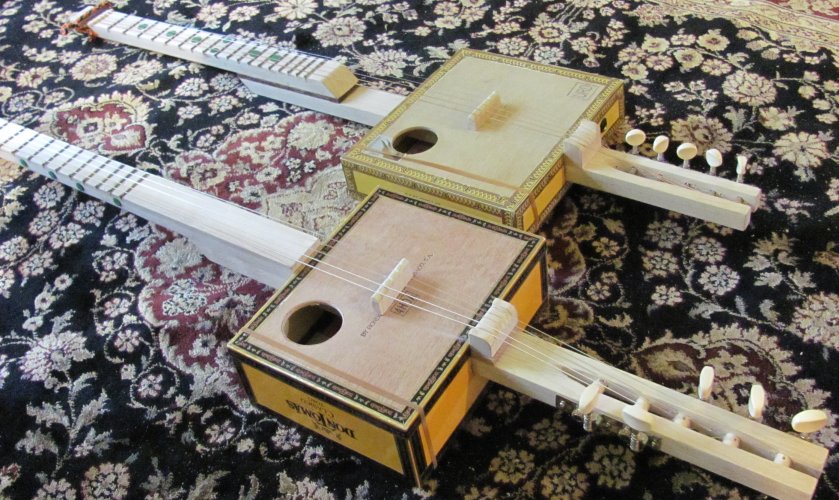
Headless guitars similarly don't solve a particular problem, as far as I can tell. I expect to be able to rest a guitar on leg and not have it tip one way or the other while I'm playing. Most guitars balance fine with a proper headstock. I haven't tried a Steinberger, maybe they're really great guitars, but there's no particular reason for me to expect that I would enjoy playing a headless guitar more than a "normal" guitar. (Note: I have built headless cigar box guitars [1], and I kind of like the design, but that's a bit different than a full-size electric.)
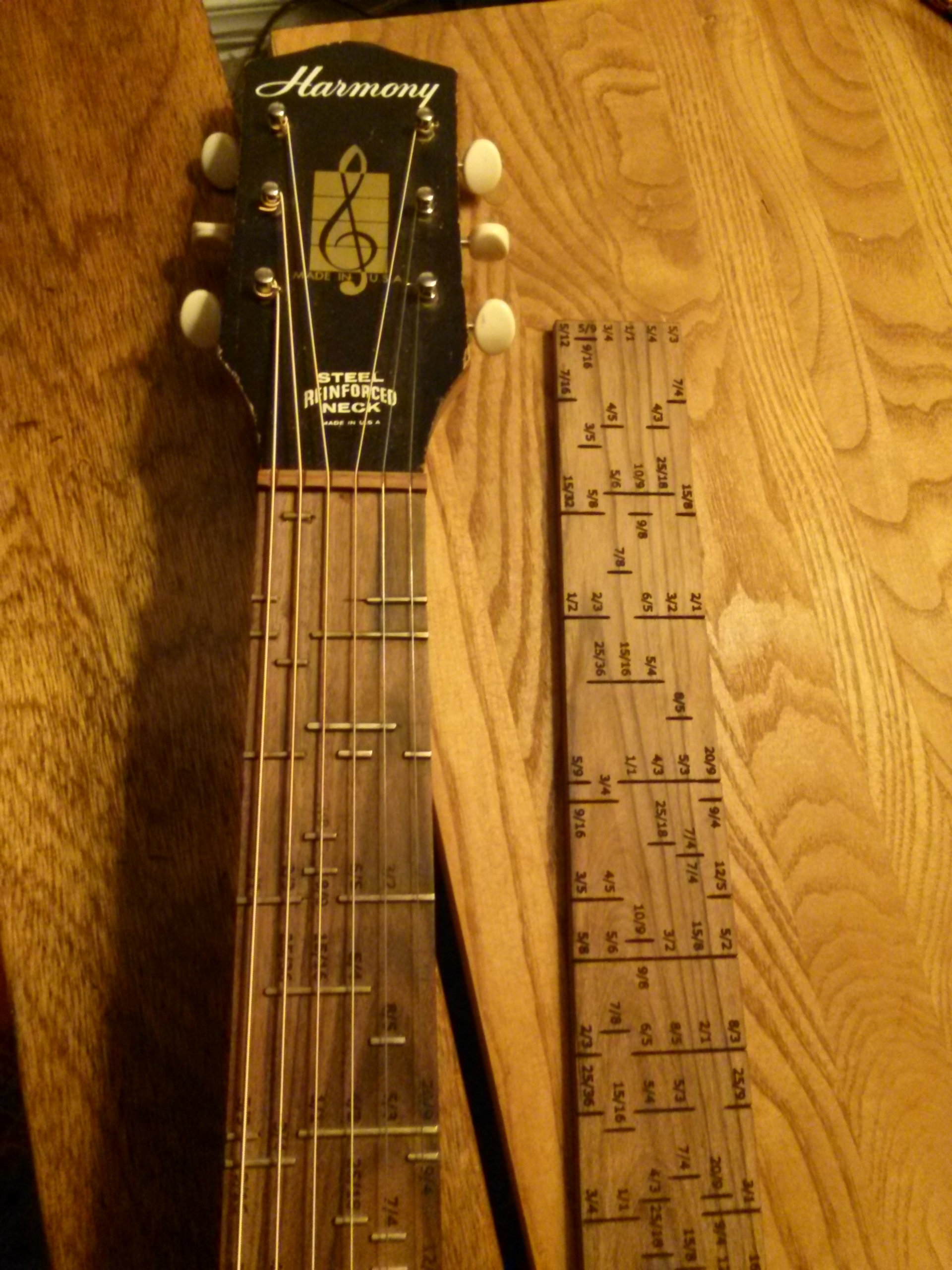
True Temperament is more interesting because that actually is addressing a real problem, sort of. Electric guitars are pretty bad when it comes to tuning, but the problem isn't so much intonation, the bigger problem is that 12-tone equal temperament is a compromise -- you can sound okay in every key (12-TET) or you can sound really good in one particular key (just intonation), but you can't have both. (The latter alternative leads you to some interesting looking fingerboards [2].)
I would be more interested in the TT guitars if they were focusing on temperament rather than intonation errors. (I suspect they may actually be doing that, but their marketing material says they're correcting intonation. I'm skeptical that any normal guitars would need such extreme corrections just to play in exact 12-TET unless the action is set unreasonably high.)
TT also has the problem that normal frets can be repaired or replaced by any competent luthier using ordinary guitar tools, but I wouldn't even know you would do a fret dress on TT guitar. Maybe you'd need a special crowning file that goes around corners or something?
I think there are some ways that the electric guitar could be improved, but to some degree, I think unscientific emotional hand-wavy reasons can be a better guide to making an instrument people want than to approach the problem by using science to optimize specific criteria based on some untested assumption that optimizing that criteria will make the guitar better.
[1] http://jsnow.bootlegether.net/cbg/neck2.jpg
[2] http://jsnow.bootlegether.net/jik/CAM00441.jpg