Annotation is now a web standard
hypothes.is
Annotation is now a web standard
1–10 of 164 posts
Re: Annotation is now a web standard
#2I think this is great news. As someone who blogs irregularly, I don't want to spend a ton of time integrating each discussion area into my site. This seems like it could lead to a very elligent way to automatically get that integration. It would be great to also get notified as discussion is happening in the various sites, without reading the spec, it's not clear to me if that's part of the standard.
Re: Annotation is now a web standard
#3If I leave an annotation with this standard must that annotation be public? Are there options for private annotations?
How much private data about my browser and my host am I leaving when an annotation is created?
Is there a practical way to delete these both from the page and the public record, or would they be stored in perpetuity?
Re: Annotation is now a web standard
#4This is fantastic! hypothes.is is such an inspiring project, thank you!
Re: Annotation is now a web standard
#5If I leave an annotation with this standard must that annotation be public? Are there options for private annotations? How much private data about my browser and my host am I leaving when an annotation is created? Is there a practical way to delete these both from the page and the public record, or would they be stored in perpetuity?
> If I leave an annotation with this standard must that annotation be public? Are there options for private annotations?
The protocol specifies that annotations are shared over HTTP, you can have them behind whatever kind of locks you want.
> How much private data about my browser and my host am I leaving when an annotation is created?
The specification doesn't store anything like this. But since everything happens over HTTP, the client/server you use may include things like that. Since it's a standard, you should be able to use whatever programs you wish.
There are fields specified to include things like author name, creation date, etc. It will depend on your client how they are used. They aren't required.
Re: Annotation is now a web standard
#6I think this is great news. As someone who blogs irregularly, I don't want to spend a ton of time integrating each discussion area into my site. This seems like it could lead to a very elligent way to automatically get that integration. It would be great to also get notified as discussion is happening in the various sites, without reading the spec, it's not clear to me if that's part of the standard.
> It would be great to also get notified as discussion is happening in the various sites, without reading the spec, it's not clear to me if that's part of the standard.
Not really.
Re: Annotation is now a web standard
#7this will fundamentally change the internet
Re: Annotation is now a web standard
#8If I leave an annotation with this standard must that annotation be public? Are there options for private annotations? How much private data about my browser and my host am I leaving when an annotation is created? Is there a practical way to delete these both from the page and the public record, or would they be stored in perpetuity?
It looks like the model has interoperability for both shared and private, but there is only one reference I can find to private annotations:
Re: Annotation is now a web standard
#9I wonder how Genius feels about this news. But they were the ones rooting for this future, so probably they will be happy I think.
Re: Annotation is now a web standard
#10I think this is great news. As someone who blogs irregularly, I don't want to spend a ton of time integrating each discussion area into my site. This seems like it could lead to a very elligent way to automatically get that integration. It would be great to also get notified as discussion is happening in the various sites, without reading the spec, it's not clear to me if that's part of the standard.
> It would be great to also get notified as discussion is happening in the various sites, without reading the spec, it's not clear to me if that's part of the standard. Not really.
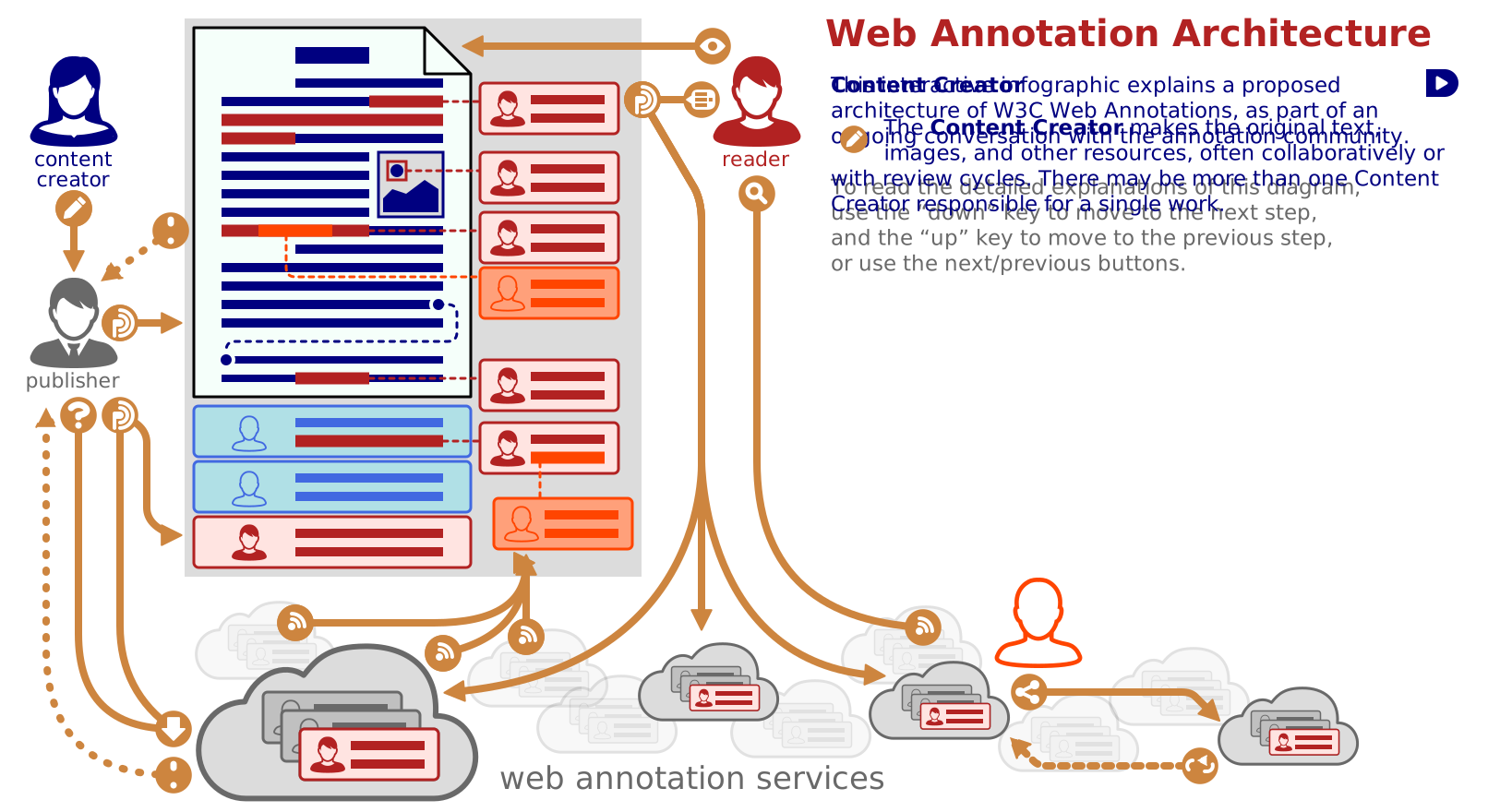
"The Publisher receives a notification for any annotations made on their site which are explicitly published publicly. There are two proposed mechanisms for this:
1) a client-side event which informs the page of the annotation's publication URLs;
2) a server-side notification sent to the publisher's “well-known” contact address.
Either or both of these mechanisms may be used, each with its own use cases." https://www.w3.org/annotation/diagrams/annotation-architectu...