The claim that taxi supply is sufficient in most cities to compete with Uber aside from on price is clearly not based on much experience with taxis in the US.
I grew up in Australia where every city is served by a small number of taxi companies and central dispatch works great. In every US city I've lived or visited (except NYC) the fragmentation of taxi companies and driver behavior -- most DC cab drivers would refuse to accept credit cards even after it became illegal not to ("my machine she is broken") -- makes taxis worse in every dimension than Uber, and frequently too unreliable to use for things like trips to airports. (In Sydney, I would take a taxi to the airport, in any US city you'd book a van.)
It's not just price -- fragmentation makes dispatch hopeless because the individual companies have too few taxis in their pool and don't hand off bookings to each other efficiently, and local regulations are a nightmare, e.g. in the Washington DC metro area it's painful to get taxis from Arlington (VA) to downtown (DC) and vice versa (Arlington is literally only not downtown DC because Virginia asked for its corner of DC back, we're talking 2 mile rides), and you need to guess which taxi company to use because dispatch is also fragmented and broken. When Uber and Lyft appeared we simply stopped using taxis cold. (Our favorite DC Uber driver was a limo driver who simply used Uber to make money in down-time, and he was clearly not confused about tax and costs.)
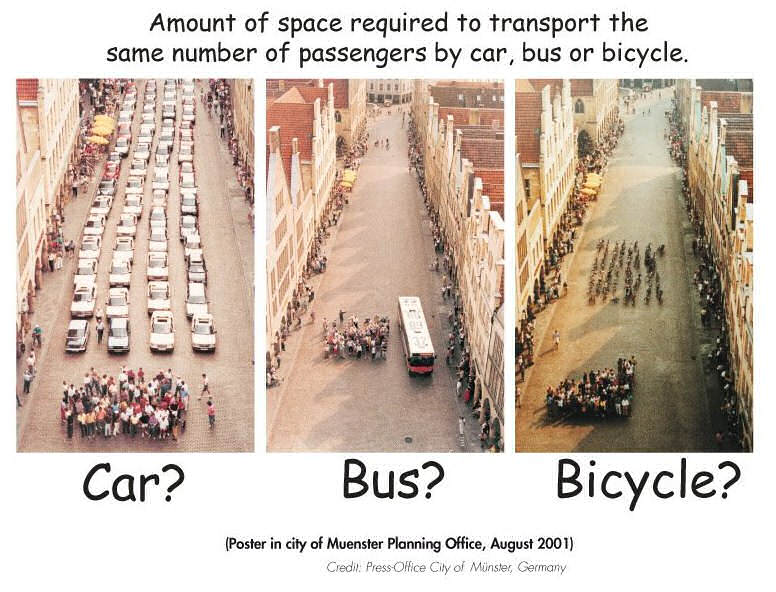
I think the idea that privately owned self-driving cars will compete with Uber is wrongheaded but doesn't damage the argument. Any dispatch service that achieves critical mass -- public or private -- can leverage self-driving cars to compete with Uber. I think self-driving cars will vastly reduce car ownership, and pools of automatic taxis will replace them, reduce congestion, and allow lots of car-dedicated space in cities to be reclaimed. I'd argue this threatens Uber's ride-sharing business as much as anything else.
I agree that Uber is almost a victim of its valuation -- it could be incredibly valuable as a virtual integrated vehicle dispatch -- tracking driver and customer quality, vehicle location and capability, and matching vehicles to needs and collecting fares, but by trying to own everything and be valued accordingly it may risk implosion when it fails to deliver.