The Cobra Effect
en.wikipedia.org
The Cobra Effect
1–10 of 28 posts
Re: The Cobra Effect
#2See also: nearly every agency of the US government.
Re: The Cobra Effect
#3Yep, you get more of what you pay for. Apply to, for example, single motherhood:
http://cdn.theatlantic.com/assets/media/img/posts/Screen%20S...
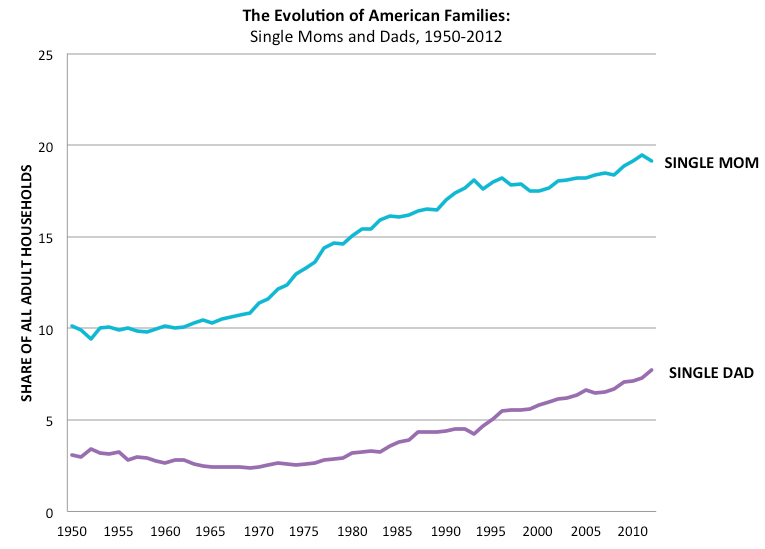
Gang aft agley, indeed.
Re: The Cobra Effect
#4See also: nearly every agency of the US government.
More like "See also: any sufficiently large organization".
Re: The Cobra Effect
#5Yep, you get more of what you pay for. Apply to, for example, single motherhood: http://cdn.theatlantic.com/assets/media/img/posts/Screen%20S... Gang aft agley, indeed.
I don't get the graph's message. (I'm not smart)
Re: The Cobra Effect
#6Housing policy in Britain is a bit like this. Houses in Britain are so expensive that many people are priced out of the market. So the government offers tax breaks and cheap loans to first time buyers. This means first time buyers can afford to offer more money to purchase a house, bidding against each other and driving house prices even higher.
This has been going on for decades, but they still do it because there are no votes for letting house prices fall, and plenty of votes in offering help to first time buyers. The fact that the general taxpayer is footing the bill is just a detail.
Re: The Cobra Effect
#7Yep, you get more of what you pay for. Apply to, for example, single motherhood: http://cdn.theatlantic.com/assets/media/img/posts/Screen%20S... Gang aft agley, indeed.
The typical response to this sort of chart is something like: the welfare state is destroying the family unit!
But I look at this graph and I think: wow, there must have been a ton of people stuck in unhappy marriages before, who could now have better choices.
Re: The Cobra Effect
#8It's important to think about this when crafting sales incentive plans... You will often be tempted to motivate a particular behavior but then you realize that behavior is so successful that it's actually caused a new, and potentially worse problem.
Generally these are all good problems to have though. :-)
Re: The Cobra Effect
#9Would rent control fall under this? Rent control creates artificial pressures for people not to leave housing, which restricts housing from being opened up to people moving in to a region, which causes rents of non-occupied units to rise.
Re: The Cobra Effect
#10This immediately made me think of bug bounties and the vulnerability black market.
How long until the money gets good enough for people to start introducing obfuscated vulnerabilities into code in order to further profit from it at a later time? With increasing financial incentive and an open market it might be an increasing risk with opportunistic or disgruntled developers.