How to Build a Low-Tech Website
solar.lowtechmagazine.com
How to Build a Low-Tech Website
1–10 of 188 posts
Re: How to Build a Low-Tech Website
#2From clicking around this site, it looks like their image dithering technique has taken away the color quality required to properly view the graphs on this article:
https://solar.lowtechmagazine.com/2015/10/the-4g-mobile-inte...
Re: How to Build a Low-Tech Website
#3From clicking around this site, it looks like their image dithering technique has taken away the color quality required to properly view the graphs on this article: https://solar.lowtechmagazine.com/2015/10/the-4g-mobile-inte...
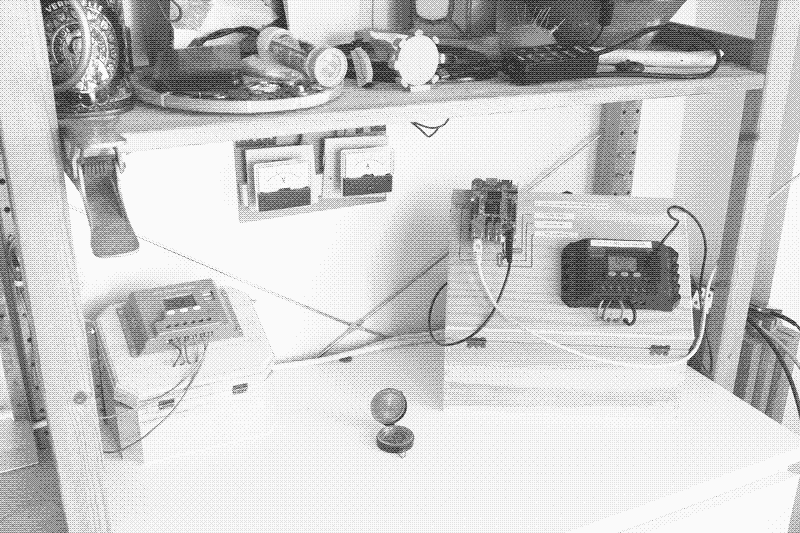
I'm not convinced it saves much in the way of bandwidth, either.
If you take this[0] image, it's 43 KB for a 800x533 image. I'd expect a JPEG to be able to do that without too much in the way of artifacts.
It does give the page a kind of neat newspapery vibe, though.
Re: How to Build a Low-Tech Website
#4The best part is the dithering, this website reminds me of old Chemistry lab manuals.
Re: How to Build a Low-Tech Website
#5From clicking around this site, it looks like their image dithering technique has taken away the color quality required to properly view the graphs on this article: https://solar.lowtechmagazine.com/2015/10/the-4g-mobile-inte...
I'm not convinced it saves much in the way of bandwidth, either. If you take this[0] image, it's 43 KB for a 800x533 image. I'd expect a JPEG to be able to do that without too much in the way of artifacts. It does give the page a kind of neat newspapery vibe, though. [0]: https://solar.lowtechmagazine.com/dithers/sps_wide.png
I agree. I feel they are doing it more for aesthetics than actual 'energy' consumption, but then they must justify why they are dithering, and "because it looks pretty" doesn't fit their shtick.
Re: How to Build a Low-Tech Website
#6"Progress"
Re: How to Build a Low-Tech Website
#7The dithering on images is actually kinda nice. Less visual over-stimulation.
But whatever this site is doing with the fixed-scroll yellow block is super weird. There's a "95%" thing next to a sun - is it somehow related to the solar battery powering the server?
Rather than focusing on the content, the design focuses on the infrastructure at the expense of the content. Maybe that's the point, but this particular element is certainly off-putting.
Re: How to Build a Low-Tech Website
#8I like the gauge, but wish it was only in the corner or something. That it is the background of the whole page is pretty distracting.
Re: How to Build a Low-Tech Website
#9I wish the content of the photographs wasn't so obscured
Re: How to Build a Low-Tech Website
#10Neat article, but I think we should distinguish basically two things here that the article blurs together:
1) Reducing website bandwidth and computational usage (static sites, small images, reducing extra resource requests). Super common topic that HN talks about all the time.
2) Reducing the electricity bill for the server and powering it with renewable resources. This part is quite neat, I think, but for a single bespoke website, the energy savings of using a single low-power server seems pretty trivial in the grand scheme of things — I could get similar savings by changing a living room lamp to a more energy efficient bulb.
This inspires me to propose a third category of energy efficiency that the article doesn't touch on: human energy costs.
Humans are quite energy intensive devices, and I suspect that the labor and human-maintenance costs of making this website dwarf the direct energy costs of running a webserver. I'd be curious how one would go about optimizing these other energy costs, and whether that can be done in a way that still preserves quality of work/life for the humans involved.