Live data from Hacker News

How the Netherlands Feeds the World (2017)

nationalgeographic.com

51–59 of 59 posts

Re: How the Netherlands Feeds the World (2017)

#51
post #19
post #9

Not to talk down the Dutch achievement too much but the quality of statistics used in this article is terrible. Total monetary value of agricultural exports is a terrible way to measure output. It doesn't take into account: 1. Re-exports (Rotterdam is the largest port in Europe) 2. Specialisation in the production of certain goods (i.e. high imports and exports) 3. The high price of agricultural goods in Europe, driv…

One would not expect The Netherlands to export so much in the presence of "high trade barriers". But I strongly suspect that trade barriers between European Union Members to be very low. Low transport costs also helped The Netherlands achieve this position. Numerous highways, railways and waterways connect it to it's neighbours.

The Netherlands is in the EU. They have total unrestricted access to the EU market, which is exactly where the vast majority of their agricultural exports go.
Re: How the Netherlands Feeds the World (2017)

#52
post #19
post #9

Not to talk down the Dutch achievement too much but the quality of statistics used in this article is terrible. Total monetary value of agricultural exports is a terrible way to measure output. It doesn't take into account: 1. Re-exports (Rotterdam is the largest port in Europe) 2. Specialisation in the production of certain goods (i.e. high imports and exports) 3. The high price of agricultural goods in Europe, driv…

One would not expect The Netherlands to export so much in the presence of "high trade barriers". But I strongly suspect that trade barriers between European Union Members to be very low. Low transport costs also helped The Netherlands achieve this position. Numerous highways, railways and waterways connect it to it's neighbours.

He means trade barriers against cheap food from developing countries like Africa. The EU blocks such imports with high tariffs mostly to protect French agriculture, but it has the advantage of allowing the Dutch to invest in super high tech farming. Sucks for consumers though. Food is more expensive in Europe than the USA and that's why.

Re: How the Netherlands Feeds the World (2017)

#53
post #44
post #9

Not to talk down the Dutch achievement too much but the quality of statistics used in this article is terrible. Total monetary value of agricultural exports is a terrible way to measure output. It doesn't take into account: 1. Re-exports (Rotterdam is the largest port in Europe) 2. Specialisation in the production of certain goods (i.e. high imports and exports) 3. The high price of agricultural goods in Europe, driv…

One of the gains in yield per hectare is given right at the start of the article. 20 as opposed to 9 tons per hectare. Though that’s a global average, and may be just as amazing in the US.

The graph labelled "Punching above its weight" is a graph of comparative yields, which looks very impressive for the Dutch.

Re: How the Netherlands Feeds the World (2017)

#54

Earlier quoted context omitted.

In the UK, supermarket tomatoes imported from The Netherlands are also common. The tomatoes are mostly tasteless, regardless of the variety. Even the premium-priced organic ones have little flavour. That's what modern, mass-produced agriculture gives us: tasteless, low-cost produce all-year round because price mostly trumps other factors for many, if not most, consumers. But it seems that even expensive mass-produced…

The UK used to be infamous for low quality bland food. So, it's not surprising that people tend to buy cheap low quality stuff there. Same in Germany (I live there currently). The quality of the produce in the super markets is quite poor. I recently was in Poland; they seem to have even lower standards/expectations there. Don't blame the Dutch, blame the local food culture (or lack thereof). The premium stuff gets sh…

The UK, famous for bland food? The most popular dish in the UK is curry. The relative lack of spicyness in European food vs British food is very noticeable.

Re: How the Netherlands Feeds the World (2017)

#55
post #36
post #12

What is kind of funny is that people here like to pay more for 'organic' food because they think it's more healthy. But what comes from the greenhouse is so lab-grown it's more healthy than anything. Those labs also don't like to use pesticides because it's unhealthy for the workers and plants as well. They use insects to control pests. The only problem with greenhouse food is that it tastes like nothing. A tomato gr…

It's not the soil but the lack of sun that deprives the tomatoes of their taste. Greenhouses in the Netherlands are heated with natural gas. The Dutch government subsidises the gas so they can keep their costs low and be competitive. So that's another reason to eat organic food; it is more sustainable because it uses natural sunlight. And tastier as well!

That fact about natural gas was one of the most surprising things to me. I realise the Netherlands is right next to some huge oil and gas fields, but surely burning gas to heat greenhouses filled with tomatoes in a cold climate, can't make sense compared to just importing those vegetables from countries where they grow naturally? Shipping fuel isn't that expensive?

Is this some weird side effect of the tariffs and CAP? It's cheaper for Europe to burn fossil fuels and build robots to grow tomatoes in cold climates with expensive labour, than import them from warm climates with cheap labour?

Re: How the Netherlands Feeds the World (2017)

#56
post #5

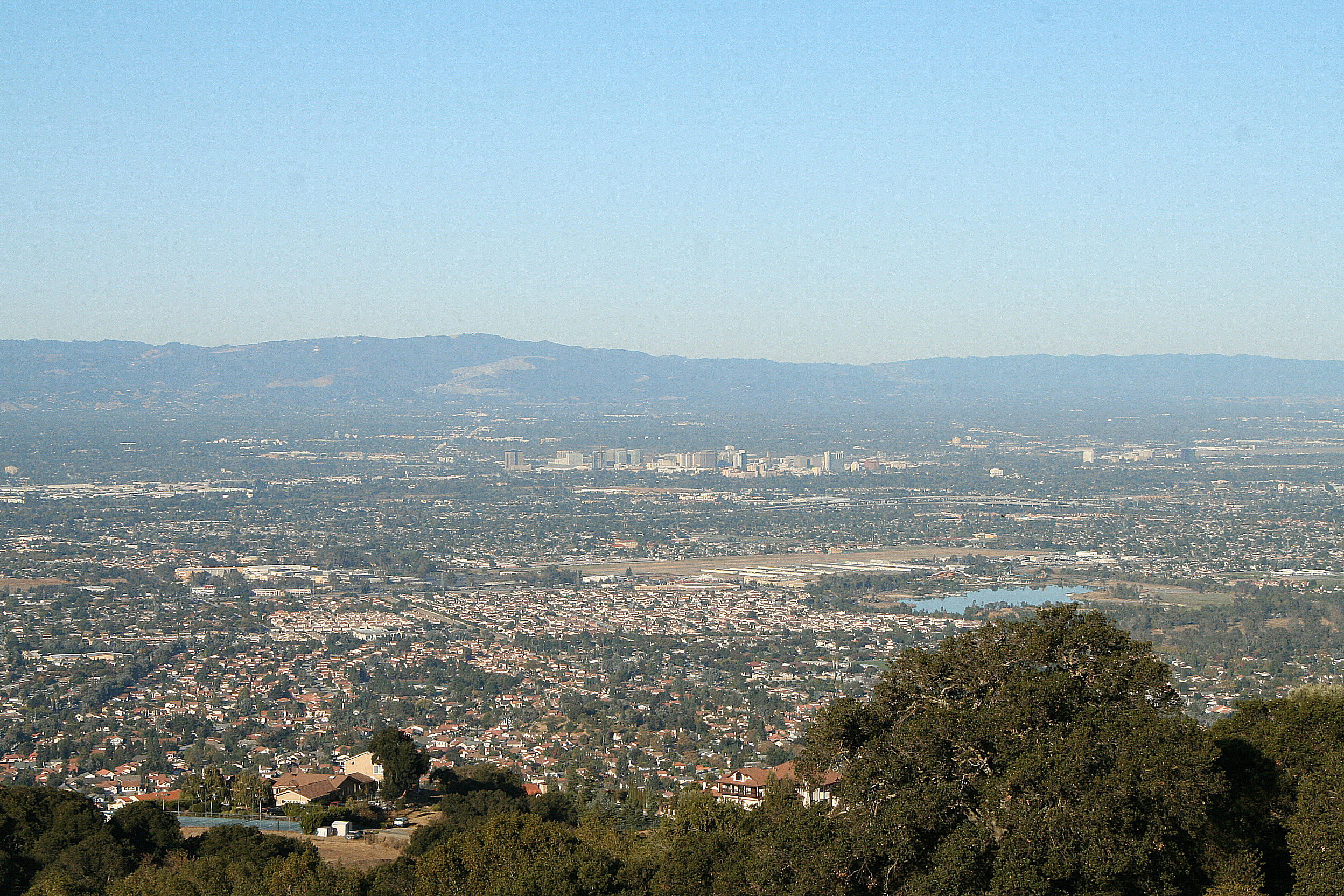
"Food Valley"? Oh, come on... they could have done better! How about "Sustenance Valley"? But that brings up a secondary point... a valley?? In Holland??

Yeah, it's nuts. Every region and a half in the Netherlands that specializes in something calls themselves "something something valley". That said I was once in Silicon Valley and there were hills on the left and water on the right. Not really much of a valley either.

The hills in the Bay Area range from 350m to 1300m, so they're not huge, but drive/hike up over them and they definitely feel mountainous. The "Valley" can best be seen from Skyline Blvd running along the peaks to the west: https://upload.wikimedia.org/wikipedia/commons/b/bc/San_Jose...

Re: How the Netherlands Feeds the World (2017)

#57
post #51
post #19

Earlier quoted context omitted.

One would not expect The Netherlands to export so much in the presence of "high trade barriers". But I strongly suspect that trade barriers between European Union Members to be very low. Low transport costs also helped The Netherlands achieve this position. Numerous highways, railways and waterways connect it to it's neighbours.

The Netherlands is in the EU. They have total unrestricted access to the EU market, which is exactly where the vast majority of their agricultural exports go.

The EU isn't a free market when it comes to agricultural produce at all, thanks to the CAP (Common Agricultural Policy)[1].

E.g. just in the last year[2] central planning for how much quantity of sugar beets each country could produce was finally phased out, with the Dutch expecting in production of up to 25% as a result[3].

This was one of the grand bargains of the EU. In exchange for the likes of France, Spain etc. joining the union they wanted guarantees that these politically sensitive sectors of their economy wouldn't be subject to real competition.

So production in countries like The Netherlands is artificially low since a combination of quotas and other central planning restricts production.

1. https://en.wikipedia.org/wiki/Common_Agricultural_Policy#Equ...

2. http://europa.eu/rapid/press-release_MEMO-17-3488_en.htm

3. https://www.dutchnews.nl/news/2017/01/dutch-sugar-cooperativ...

Re: How the Netherlands Feeds the World (2017)

#58
post #6
post #3

Google Earth to the greenhouse complex is southern Spain is visually entertaining. Similar giant single area in the NL?

Westland south of The Hague https://www.google.com/maps/place/Westland/@51.9915637,4.190...

Ok. Keep scale same and look at El Ejido

https://www.google.com/maps/place/El+Ejido,+Almería,+Spain/@...

Re: How the Netherlands Feeds the World (2017)

#59
post #46
post #36

Earlier quoted context omitted.

It's not the soil but the lack of sun that deprives the tomatoes of their taste. Greenhouses in the Netherlands are heated with natural gas. The Dutch government subsidises the gas so they can keep their costs low and be competitive. So that's another reason to eat organic food; it is more sustainable because it uses natural sunlight. And tastier as well!

I’m fairly certain nobody would buy the Tomatoes if they didn’t have any taste.

Depending where you live you probably already do and think that ‘no taste’ is the taste of tomato. In the Netherlands (where I am from) and the south of Spain (where I spend a lot of time) the difference is huge in taste buying an average tomato; the ones in NL taste like nothing compared but seems people are used to it.
Post reply on HN