Earlier quoted context omitted.
There are £45m of fake pound coins in circulation currently . The various banks and mint, etc, will be removing them as they come in, taking losses from that. There's an ongoing cost every day. If a one-time cost of £100m will remove the fake coins and prevent new fakes, it's well worth the price tag.
The new coin will not get rid of forgeries completely, at least not until the old is removed from circulation. In pure money terms, it's not worth it. But since they're printing money anyway, I guess if it's too costly, they can just print more money to pay for it ;)
The new £1 Coin
391–400 of 421 posts
Re: The new £1 Coin
#392Earlier quoted context omitted.
I was standing in front of two vending machines the other day: one for food, one for drink, and all I had was a $5 bill. I wanted food, but the food machine would only take $1s and coins. On the other hand, the drink machine took $5s. So I put my money in the drink machine and hit the coin return. Nothing happened. I tried a few times and figured the coin return was broken or that it was out of coins. The only thing…
The food machine accepted coins and $1 bills, but not $1 coins or other bills? It almost sounds intentionally designed to be as difficult to use as possible. (I realize the $1 coin is larger and newer, and accepting larger denomination bills would mean dispensing more change, but still .)
Re: The new £1 Coin
#393They probably should have continued using the letters. The more things called ISIS the less important those letters are to any one thing, including the terrorist org.
The "terrorist org" never used those letters in the first place. The acronym in Arabic is "Daesh". ISIS is an English-language acronym formed from a (bad[1]) translation of the group's name. Think about it: why would a decidedly muslim organization name itself in a foreign language after a forgotten infidel goddess? [1] Most western journalists rapidly moved off onto ISIL, which is a better translation (the name neve…
https://www.bostonglobe.com/opinion/2014/10/09/words-matter-...
Re: The new £1 Coin
#394Earlier quoted context omitted.
The "terrorist org" never used those letters in the first place. The acronym in Arabic is "Daesh". ISIS is an English-language acronym formed from a (bad[1]) translation of the group's name. Think about it: why would a decidedly muslim organization name itself in a foreign language after a forgotten infidel goddess? [1] Most western journalists rapidly moved off onto ISIL, which is a better translation (the name neve…
If we want to make them angry we should be calling them daesh. https://www.bostonglobe.com/opinion/2014/10/09/words-matter-...
Re: The new £1 Coin
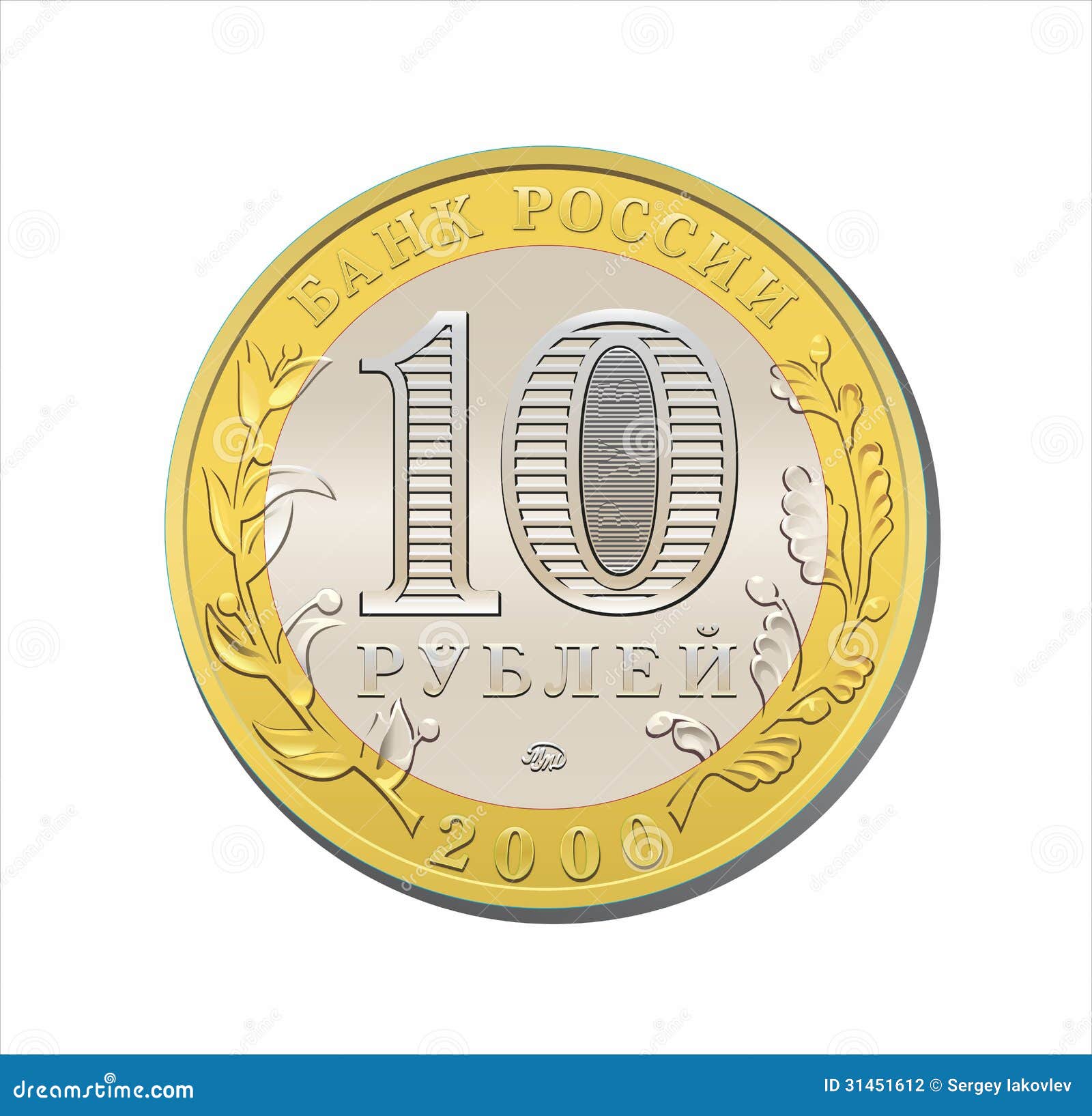
#395There are much older examples of latent image technology on coins, for example Russian 10 ruble circa year 2000 (look at the middle area of the '0' character): https://thumbs.dreamstime.com/z/coin-rubles-russian-commemor...
Re: The new £1 Coin
#396Earlier quoted context omitted.
If we want to make them angry we should be calling them daesh. https://www.bostonglobe.com/opinion/2014/10/09/words-matter-...
Calling them a nasty name? Do you really think that's a mature and effective strategy in this situation?
"If your opponent is of choleric temper, irritate him"
Re: The new £1 Coin
#397Earlier quoted context omitted.
What might be fun to try is to use a Euro 5c coin in a machine that expects 20p sterling coins. Living on the border with Northern Ireland, we figured out when I was young that the sweet machines in Northern shopping centres could be conned like that.
The old (pre ~2005) New Zealand 50cent coin was a match for 5 franc coin in Switzerland (~5USD). I knew postgrads that would always stock up to use in vending machines, after finding that out I've always been curious to know how much research a mint does to prevent this from being possible.
At the Canadian/US mint, seemingly zero.
Re: The new £1 Coin
#398Re: The new £1 Coin
#399Re: The new £1 Coin
#400How the "hidden high security feature"* in the new £1 coin works is covered here: https://security.stackexchange.com/questions/53673/how-does-... * Royal Mint’s new anti-counterfeiting technology, which can be authenticated by high-speed automated detection, was called Integrated Secure Identification Systems (ISIS) - but for obvious reasons, they've stopped using that name.
"Approximately one in thirty £1 coins in circulation is a counterfeit" "16 October 2017 onwards - demonetisation - you are under no obligation to accept the round £1 coin from your customers"
Musical chairs, in coins.