Earlier quoted context omitted.
If you’re getting to the point where you’re submitting PRs if you don’t know whether the foundation of the change is flawed, you have more pressing issues than wasting time in code review fixes.
There's only a limited amount of context and decisions that can be effectively communicated informally without looking at the code. Sometimes it is required that people look at the actual suggested implementation, and when doing so they might spot fundamental issues that had not been found beforehand. The conventional format for doing such a review is a PR.
Reinventing the pull request
31–40 of 96 posts
Re: Reinventing the pull request
#32Re: Reinventing the pull request
#33Re: Reinventing the pull request
#34Re: Reinventing the pull request
#35This blog post is self-promotion, essentially an advertisement for a paid product, Lubeno, submitted by the developer of the product.
... on a website owned by the VC that invested in the developer. I believe that the ideas in the blog post are novel enough and should spark curiosity and interesting discussions. Also I submitted this last week, someone must have hand-picked and given it another chance because it's a good fit for HN.
Thanks for disclosing the financial conflict of interest, but this doesn't change the self-promotion factor.
Re: Reinventing the pull request
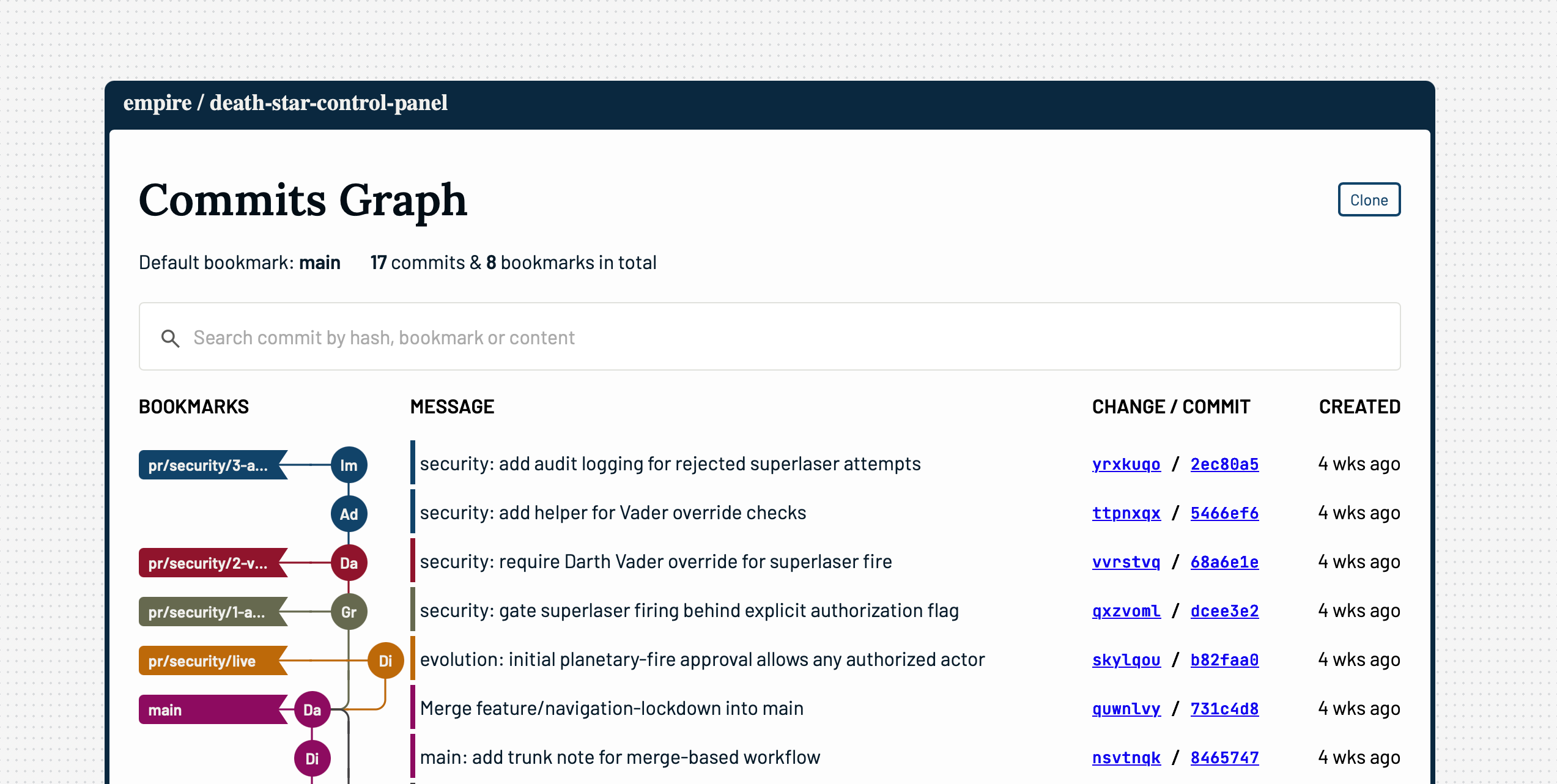
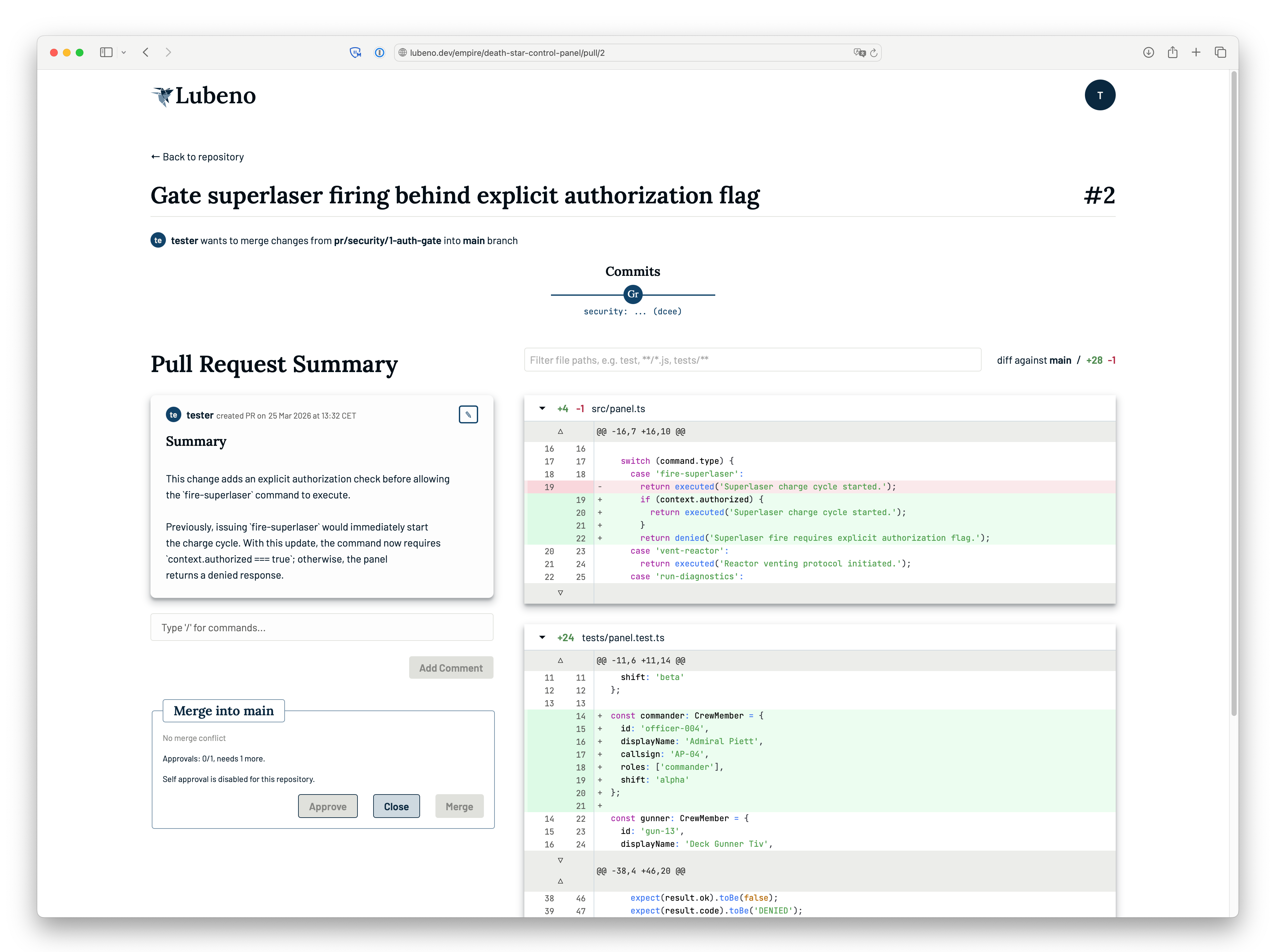
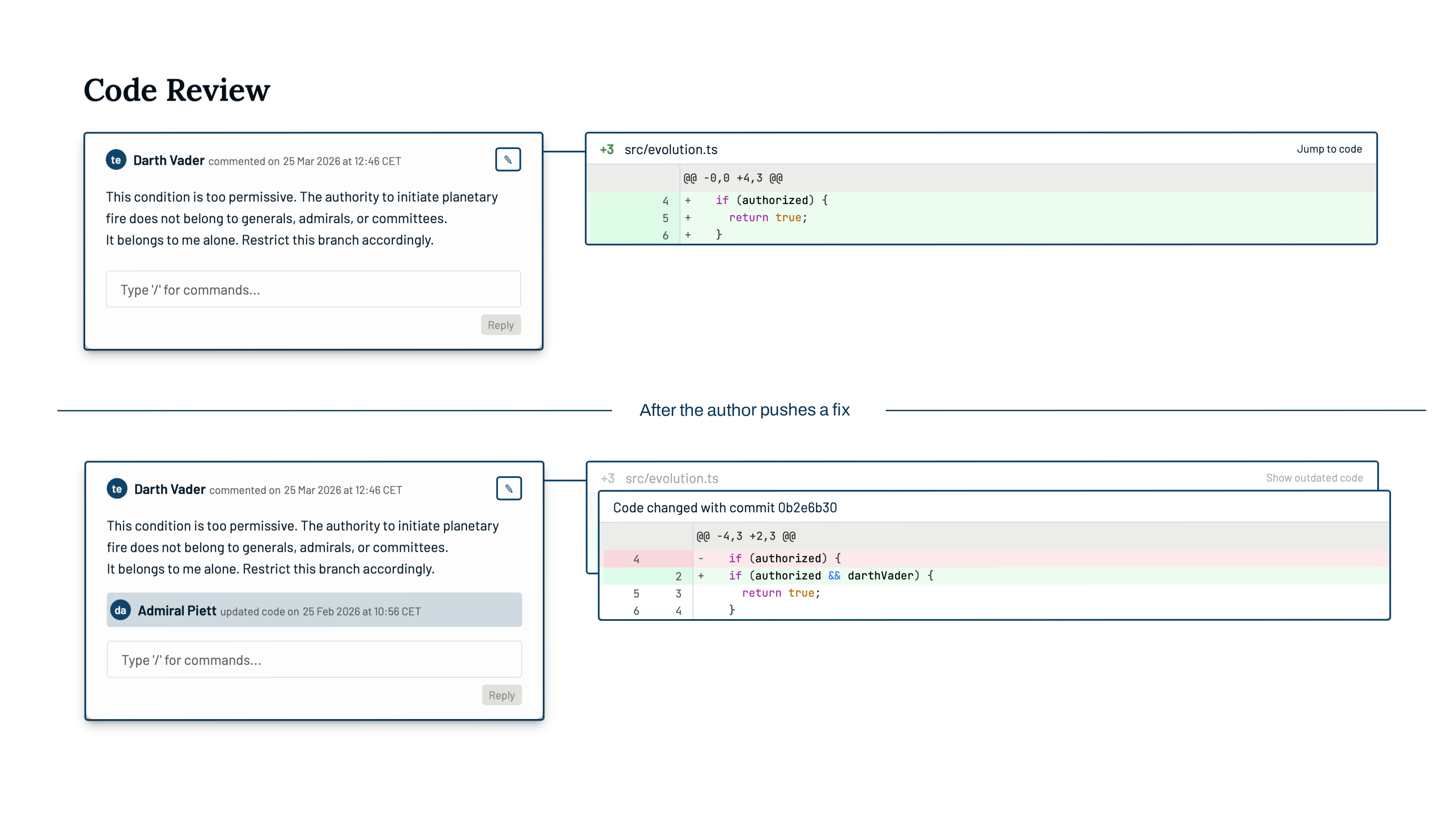
#36It would be nice if I could click the images to make them larger. As is it's not actually possible to see anything novel being done.
https://lubeno.dev/assets/images/blog/lubeno-repository.png
https://lubeno.dev/assets/images/blog/lubeno-pr.png
https://lubeno.dev/assets/images/blog/code-review-before-aft...
Re: Reinventing the pull request
#37I'd love to see an example PR on lubeno vs github. That might show the comparison a bit better.
Re: Reinventing the pull request
#38> Once you have the power to do a bunch of small self-contained changes, you want PRs to consist of one or two commits. You want to build on previous changes without needing to wait for them to be reviewed. Lubeno helps you to do exactly this. Why would I want to build on changes that haven't been reviewed and accepted? That's a good way to waste my time having to redo something because the foundation it was based on…
There are so many times where I want to create 3-4 Merge requests that all build on each other along the same branch instead of creating one giant MR but the UI for reviewing them doesn't really work that way.
Re: Reinventing the pull request
#39The platform this is an ad for looks to be very bare-bones, but I’m still very glad to see a new entry in the code forge space focusing on stacked PRs since Graphite went all-in on clanker review. Extremely keen to see what will come out of ERSC [0] [0] https://ersc.io/
That said, we haven’t talked a ton publicly about what exactly we’re building yet, because we’re very focused on building it. But if you or anyone else is dealing with pain around source control management, I’d love to hear about it: steve@ersc.io
Re: Reinventing the pull request
#40Let's forget that this post is an ad. I feel like there is a use for LLMs that could help us do stacked PRs better. Right now there are effectively three ways to do a PR: - a bunch of small commits, some of them related to the feature, some fixes, some mixing both -> a PR with 'n' commits -> they don't really make sense as atomic commits, you have to review the entire PR to make the sense of it - a squashed PR - some…
You don’t have to do it this way, you could use the oplog to undo it all if it’s not to your satisfaction, but it’s much simpler than trying to edit the commits into the right shape directly.