Live data from Hacker News

Speeding Slows You Down (By a Lot)

algorithmsoup.wordpress.com

31–40 of 133 posts

Re: Speeding Slows You Down (By a Lot)

#31
> Maybe highway miles are much more dangerous than non-highway miles, and we shouldn’t be on the highway at all.

I imagine it's pretty hard to get seriously injured or die when not on the freeway. I've long thought that should be the primary application of self-driving technology. It's ultra-simplified and relatively standardized compared to other types of roads, and it's where the most life and limb can be saved. Not to mention the potential to alleviate traffic, which would save people vastly more time than just driving too fast.

Also, will everyone please use you blinker for fuck's sake? If moving your wrist slightly is just too much of a burden for you, then stop driving, you're not cut out to pilot your own anything.

Re: Speeding Slows You Down (By a Lot)

#32
post #16

While the methods in this post may not be a super accurate depiction of reality.. I did find it entertaining. Additionally I agree generally with the point the post is making. It is shocking to me that we accept so whole heartedly the risk associated with driving when, comparatively, it is shockingly unsafe relative to other modes of transportation. In the US somewhere around 41,000 people die per year from traffic a…

> it’s pretty interesting to me that especially US society has accepted these facts so seemingly easily

Because in the 1960s and 70s the US was rebuilt to be entirely car-dependent. And most Americans today accept that as the norm, because the only places they know that are different are New York and those quaint European and Asian cities rich people travel to.

Re: Speeding Slows You Down (By a Lot)

#33

> Maybe highway miles are much more dangerous than non-highway miles, and we shouldn’t be on the highway at all. I imagine it's pretty hard to get seriously injured or die when not on the freeway. I've long thought that should be the primary application of self-driving technology. It's ultra-simplified and relatively standardized compared to other types of roads, and it's where the most life and limb can be saved. No…

>I imagine it's pretty hard to get seriously injured or die when not on the freeway.

I don't have data handy, but it seems like an awful lot of fatalities occur in and around intersections (which imply not-a-freeway).

Freeways feel like they are safer overall, most of the time you are moving in the same direction as the vehicles immediately surrounding you, which reduces the chances for head-on or side collisions, which seem to be particularly fatal.

However, an actual freeway crash also feels like it has a higher probability of being fatal. Proportionate to miles driven they may be less common, but like a plane crash, they are noteworthy when they do happen and make for "better news".

Re: Speeding Slows You Down (By a Lot)

#34
I’ve learned “slow is smooth and smooth is fast” from shooting sports, but I find it applies equally well to most (all?) areas of life.

When I started driving, I used to speed to the next stop light, change lanes frequently. I stopped doing this when I got older, partially because I see people that zip around at the same stop lights anyway.

Re: Speeding Slows You Down (By a Lot)

#36
post #33

> Maybe highway miles are much more dangerous than non-highway miles, and we shouldn’t be on the highway at all. I imagine it's pretty hard to get seriously injured or die when not on the freeway. I've long thought that should be the primary application of self-driving technology. It's ultra-simplified and relatively standardized compared to other types of roads, and it's where the most life and limb can be saved. No…

>I imagine it's pretty hard to get seriously injured or die when not on the freeway. I don't have data handy, but it seems like an awful lot of fatalities occur in and around intersections (which imply not-a-freeway). Freeways feel like they are safer overall, most of the time you are moving in the same direction as the vehicles immediately surrounding you, which reduces the chances for head-on or side collisions, wh…

From what I'm reading, collisions are far more common on regulars roads/streets, but injuries and fatalities are much more common on freeways. This is relating to motorists/passengers. Pedestrians and bicyclists are obviously at significant risk whenever they are around cars, and they are almost never around cars on freeways.

One exception is motorcycles, which are apparently at less risk on highways than other streets.

Re: Speeding Slows You Down (By a Lot)

#38
post #16

While the methods in this post may not be a super accurate depiction of reality.. I did find it entertaining. Additionally I agree generally with the point the post is making. It is shocking to me that we accept so whole heartedly the risk associated with driving when, comparatively, it is shockingly unsafe relative to other modes of transportation. In the US somewhere around 41,000 people die per year from traffic a…

> ballpark of 32x safer

That number (edit: rail deaths) feels too high. Other than major train collisions/derailments, is it even possible to die because of trains ?

> In 2022, more than two-thirds (69 %) of these fatalities in the EU were caused by 'accidents to persons by rolling stock in motion', typically involving persons who are unauthorised on the railway tracks and are hit by a running train. Together with level-crossing accidents, which caused 29 % of fatalities, these accidents were responsible for almost 98 % of all deaths occurring in railway accidents in the EU. [1]

So rail accidents where a train was at fault, constituted only 2% of deaths assigned to railways. Unlike train accidents, a car is always to blame (some car) in a car accident. Even if I double the risk of railways to 4% of their total number, railways are still 640x safer than cars.

[1] https://ec.europa.eu/eurostat/statistics-explained/images/2/...

[2] Note: All numbers exclude (alleged) suicides

Re: Speeding Slows You Down (By a Lot)

#39
post #16

While the methods in this post may not be a super accurate depiction of reality.. I did find it entertaining. Additionally I agree generally with the point the post is making. It is shocking to me that we accept so whole heartedly the risk associated with driving when, comparatively, it is shockingly unsafe relative to other modes of transportation. In the US somewhere around 41,000 people die per year from traffic a…

> If you accidentally kill somebody on a bike you’re likely to serve prison time for manslaughter.

The sad reality is that people recklessly kill cyclists and barely get a slap on the wrist.

Re: Speeding Slows You Down (By a Lot)

#40
post #29
post #16

While the methods in this post may not be a super accurate depiction of reality.. I did find it entertaining. Additionally I agree generally with the point the post is making. It is shocking to me that we accept so whole heartedly the risk associated with driving when, comparatively, it is shockingly unsafe relative to other modes of transportation. In the US somewhere around 41,000 people die per year from traffic a…

Do you have data to back up that trains in Europe are safer than the US (for passengers, pedestrians get hit a lot. Getting hit by a train is bad regardless)? The FRA refuses to let us use European light trainsets because they're "unsafe", because they're too light. They're worried about collisions with freight trains.

There is e.g. [1], which puts the EU-27 at about 4 times safer than the US.

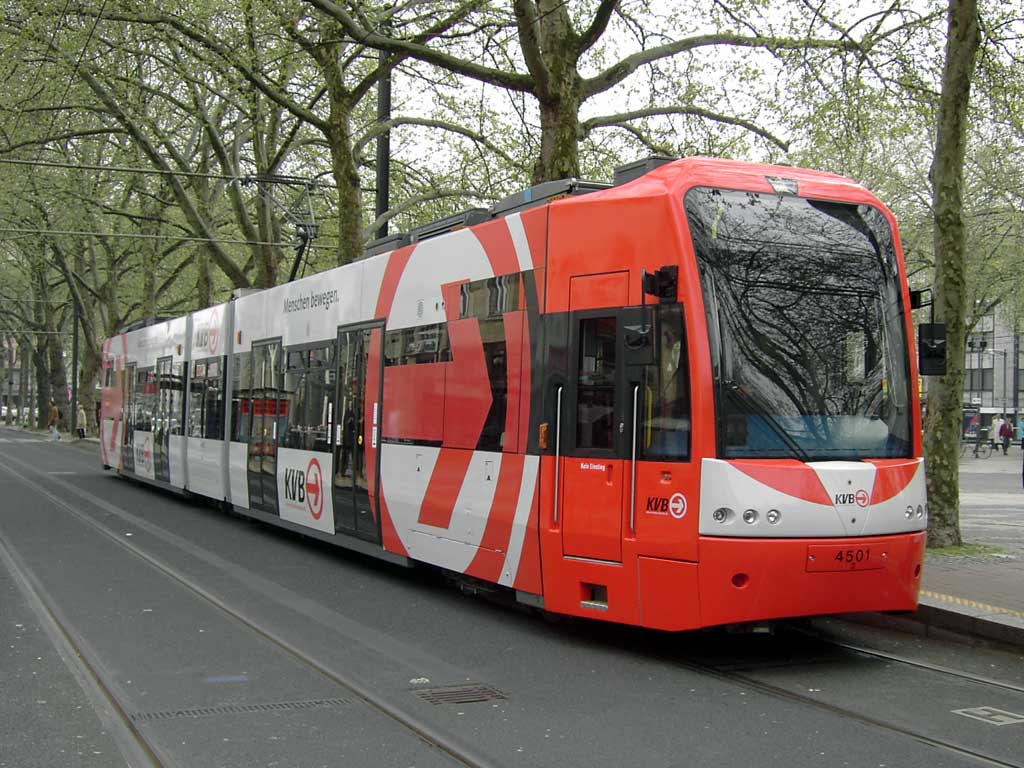
As for European light trainsets not surviving collisions with freight trains: trains generally don't fare well in high speed collisions. And at low speed collisions European commuter trains (something like [2]) would be doing fine, meanwhile light rail (like [3]) isn't designed to collide with anything heavier than a truck. I don't think anybody in Europe runs freight trains on shared tracks with light rail.

1: https://pedestrianobservations.com/2011/06/02/comparative-ra...

2: https://de.wikipedia.org/wiki/DB-Baureihe_430#/media/Datei:1...

3: https://upload.wikimedia.org/wikipedia/commons/0/0d/K4500_VB...

Post reply on HN