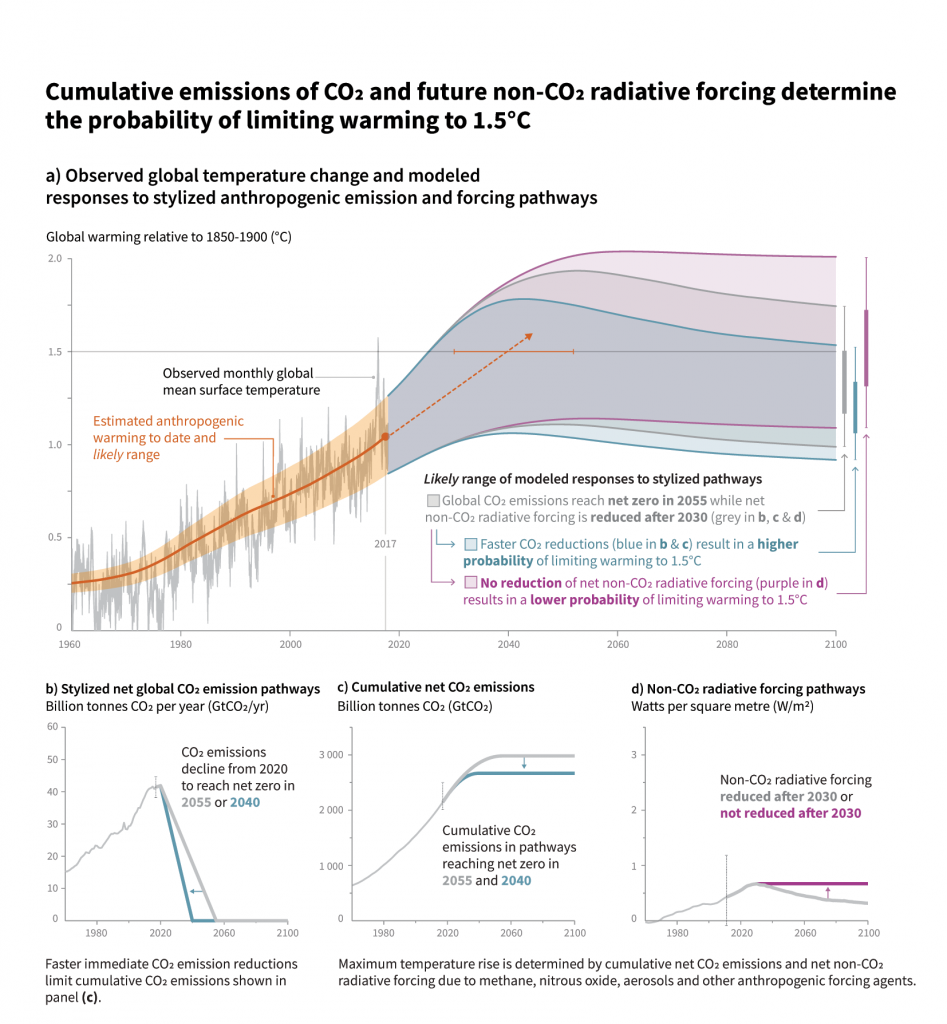
There is no chance of removing existing CO2 from Air to make any sort of difference. There is no chance of meaningfully reducing CO2 emissions, because outside of Nuclear (and hydro/geothermal but only if you have the geography for it) there is no alternative to replacing fossil fuels. At some point the public will realize the lie of solar/wind as a replacement. We lost 50 years of greatly reduced emissions had nucle…
> There is no chance of meaningfully reducing CO2 emissions, because outside of Nuclear (and hydro/geothermal but only if you have the geography for it) there is no alternative to replacing fossil fuels. At some point the public will realize the lie of solar/wind as a replacement. We lost 50 years of greatly reduced emissions had nuclear power continued to be rolled out at the same rate as it did in the 60s/70s. 25%…
That number includes hydro, and doesn't communicate the distribution of the generation, which is concentrated in the plains. Wind and solar are only ~16% of total, with the bulk being wind:
> For the six-month period to June 30, electrical generation by wind increased by 24.67% and provided 11.55% of total electrical generation. Meanwhile, solar sources grew by 27.72% and provided 4.94% of US electrical output.
It's also incredibly regional, with the least-dense parts of the US having the highest overall percentages. From the EIA report that link is based on [1]:
> The Southwest Power Pool (SPP) region has had the most growth in the renewable share of electricity generation over the past decade, largely due to wind generation. In 2013, 13% of the region’s electricity generation came from renewables. That share increased to 40% in 2021, and we expect it to rise to 44% in 2022.
> The Electric Reliability Council of Texas, or ERCOT, has also increased its renewable share, from 10% in 2013 to 32% in 2022. ERCOT is the only electricity market region where the renewable electricity share has transitioned from less than the U.S. average to more than the U.S. average from 2013 to present. Both SPP and ERCOT have added substantial generating capacity from wind turbines
So that's good, but it's a very different story than the top-line numbers suggest. If we're going to get to high levels of non-fossil electricity in the (far) more densely populated east and southeast, wind isn't going to do the job.