Live data from Hacker News

How D.C. could look if the height restriction changes

washingtonpost.com

21–30 of 62 posts

Re: How D.C. could look if the height restriction changes

#21
post #5

D.C. would look much more like a real city without the restrictions. This is a good thing! Cities grow! The choice here is between upward and outward. You can keep buildings unnaturally short, which forces the city to spread out, increasing commute times (and a whole lot more). Or you can let things grow, and let the place be more livable for the people that actually live there.

Paris is often seen as one of the most beautiful cities in the world and totally does feel like a real city despite the height limit. In fact the new financial district off to the side with its skyscrapers and, I imagine, no height limit, while modern and fancy, just doesn't feel as city-like as the rest of Paris. It feels like a dead place where people only come to work. I've only spent a good week in Paris, so it m…

Paris also was built with a fairly unified style giving it beautiful sight-lines. D.C. wasn't and it's not very pretty in most of the non-tourist areas.
Re: How D.C. could look if the height restriction changes

#22
It would make sense to ease restrictions near metro stations first, then later sprinkle restriction lifting throughout other neighborhoods once mass transit and infrastructure gets improved.

Key issues to consider: infrastructure (power, water, sewage, gas, internet, transit, roads) traffic impact walkability of neighborhood (are there food options, etc.)

I think pushing sprawl outward is the LAST thing DC needs, traffic there is already horrible (not as bad as mexico city or sao paulo, but awful by US standards).

Re: How D.C. could look if the height restriction changes

#23
post #14

Oh, so construction companies are running out of places in DC? And they need the location right next to the White House? Please. There is space right across Anacostia river in the South East. Metro goes there pretty fast. Build the buildings there, just make sure to hire more police to make it safer for workers.

Sure, and that's sort of what happened around Navy Yard. But c'mon, it's not that simple and you know it.

I understand that it's not easy. One way to solve South East crime and penury problems is to move these people away. Building corporate offices there could make it happen.

Now I know that the approach of moving Anacostia people away has this problem: ultimately these people will have to go somewhere and the vicious circle will start again but at least we don't know that all these people will go to the same location, so these problems can be spread and be solved by different communities.

Re: How D.C. could look if the height restriction changes

#24
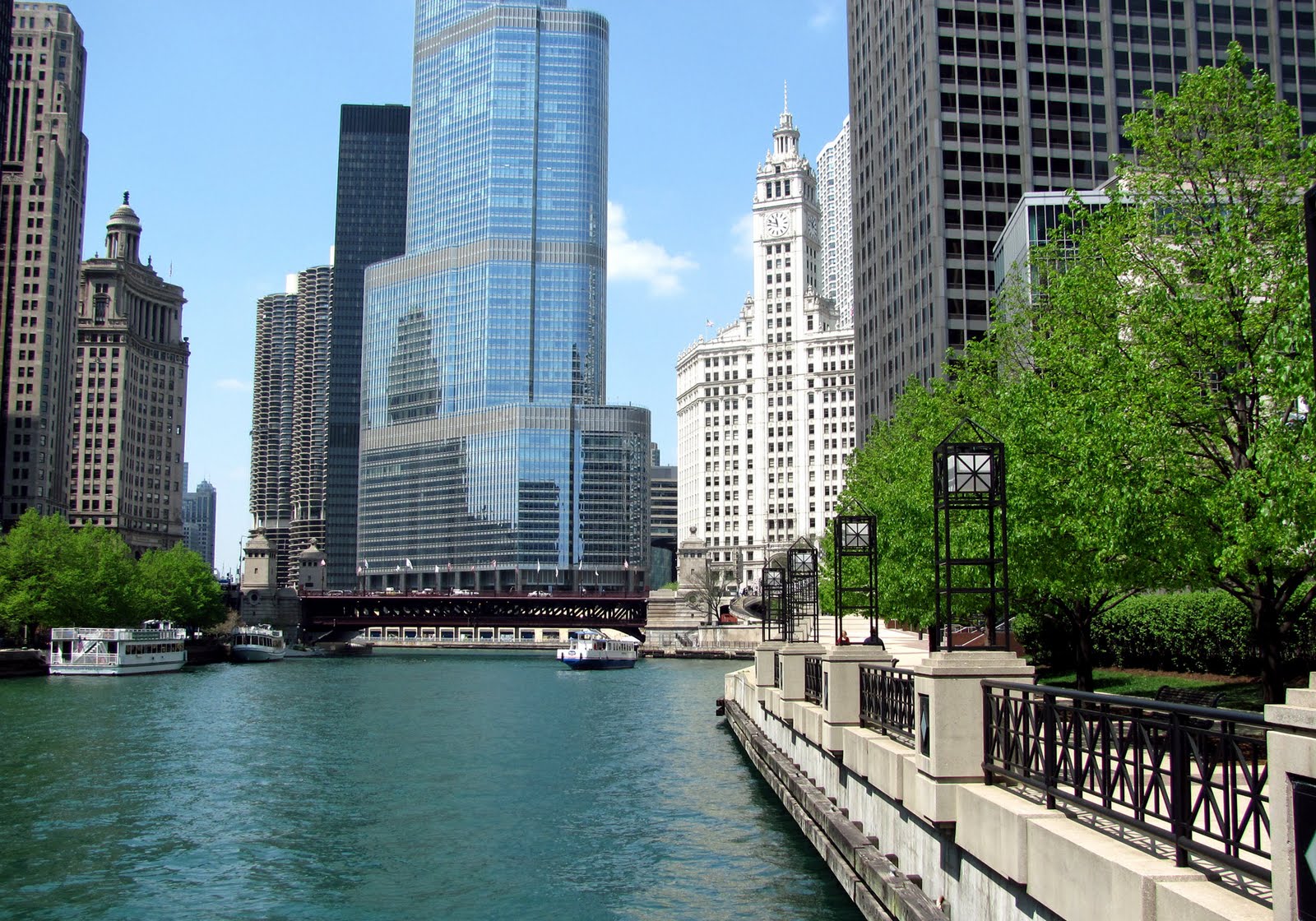
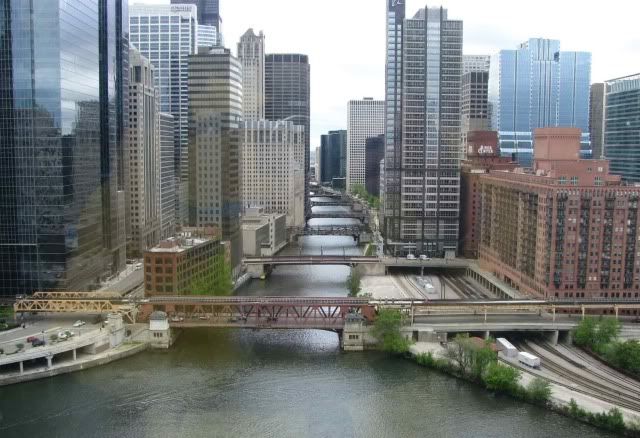
What a horrible hit piece by WaPo against the plan to raise the height limit. As if the taller buildings are going to be windowless slab-sided monoliths!

Height is beautiful: http://1.bp.blogspot.com/_3nsDtd8zatQ/S9382uGLh6I/AAAAAAAAAh...

http://img.photobucket.com/albums/v171/lugnuts/Bridges/IMG_5...

http://www.thewrigleybuilding.com/images/about-top.jpg

Also, the growth of D.C. is something I intensely dislike. It reminds me of Trantor in the Foundation series. It's all fueled by federal spending. The city has no finance industry, not a lot of technology besides defense contractors, no manufacturing, nothing that would justify the growth other than lots of highly-paid federal workers.

I'm actually a proponent of a robust federal government, but I hate the fact that it's concentrated in D.C. I think we need to spend money on say the SEC or the EPA, but we should push the work of these organizations down to local field offices, so the incidental benefits of federal jobs and contracts go back into the communities that pay the taxes to support them. Moreover, local siting makes federal offices much more sensitive to the local culture and concerns.

Re: How D.C. could look if the height restriction changes

#26
post #24

What a horrible hit piece by WaPo against the plan to raise the height limit. As if the taller buildings are going to be windowless slab-sided monoliths! Height is beautiful: http://1.bp.blogspot.com/_3nsDtd8zatQ/S9382uGLh6I/AAAAAAAAAh... http://img.photobucket.com/albums/v171/lugnuts/Bridges/IMG_5... http://www.thewrigleybuilding.com/images/about-top.jpg Also, the growth of D.C. is something I intensely dislike. It…

I didn't think it was a hit piece simply because they didn't get creative with their building design.

The purpose was to show that regardless of raised height, you'd still be able to see the US capitol, and the tall monuments/government buildings will remain as iconic as they are today in the skyline.

Re: How D.C. could look if the height restriction changes

#27
post #25

I don't understand why a city needs to keep "growing" to keep it alive. Keep the height restrictions because it keeps the city beautiful. Why don't we develop the parts that are run down before we screw up the view.

Because we live in a market economy. You build stuff where people want to be, not where you hope they'll go. Unless you don't care if your building stays empty.

Re: How D.C. could look if the height restriction changes

#28
post #24

What a horrible hit piece by WaPo against the plan to raise the height limit. As if the taller buildings are going to be windowless slab-sided monoliths! Height is beautiful: http://1.bp.blogspot.com/_3nsDtd8zatQ/S9382uGLh6I/AAAAAAAAAh... http://img.photobucket.com/albums/v171/lugnuts/Bridges/IMG_5... http://www.thewrigleybuilding.com/images/about-top.jpg Also, the growth of D.C. is something I intensely dislike. It…

I generally agree but there is the concern that the higher buildings would take away from the prominence of the historical monuments that the city centers on.

A good example of this is the Mormon temple in Salt Lake City. It appeared prominent and even formidable when it was built in the 18th century but modern construction has surrounded it on all sides and it's not even really part of the skyline anymore[1]. That's ok, but we have to decide whether the loss of emphasis on history is worth it.

[1] http://www.deseretnews.com/images/article/midres/315661/3156... (You can just see the six spires over an office building in the left-hand side of the frame).

Re: How D.C. could look if the height restriction changes

#29
post #5

D.C. would look much more like a real city without the restrictions. This is a good thing! Cities grow! The choice here is between upward and outward. You can keep buildings unnaturally short, which forces the city to spread out, increasing commute times (and a whole lot more). Or you can let things grow, and let the place be more livable for the people that actually live there.

Paris is often seen as one of the most beautiful cities in the world and totally does feel like a real city despite the height limit. In fact the new financial district off to the side with its skyscrapers and, I imagine, no height limit, while modern and fancy, just doesn't feel as city-like as the rest of Paris. It feels like a dead place where people only come to work. I've only spent a good week in Paris, so it m…

> It feels like a dead place where people only come to work.

On that note, parts of Toronto like that feel the exact same way.

Re: How D.C. could look if the height restriction changes

#30
post #13

Limiting housing supply in desirable locations is the new redlining. I understand liking the character of a place, but it seems morally problematic to use the police power to enforce that character at the expense of those who will no longer be able to afford to live there as demand increases while supply doesn't. Those same people are often the first to support affordable housing mandates without recoiling at the ine…

This is never about housing. It's about corporations wanting to be pack in more and more lobbyists as close as they can.
Post reply on HN