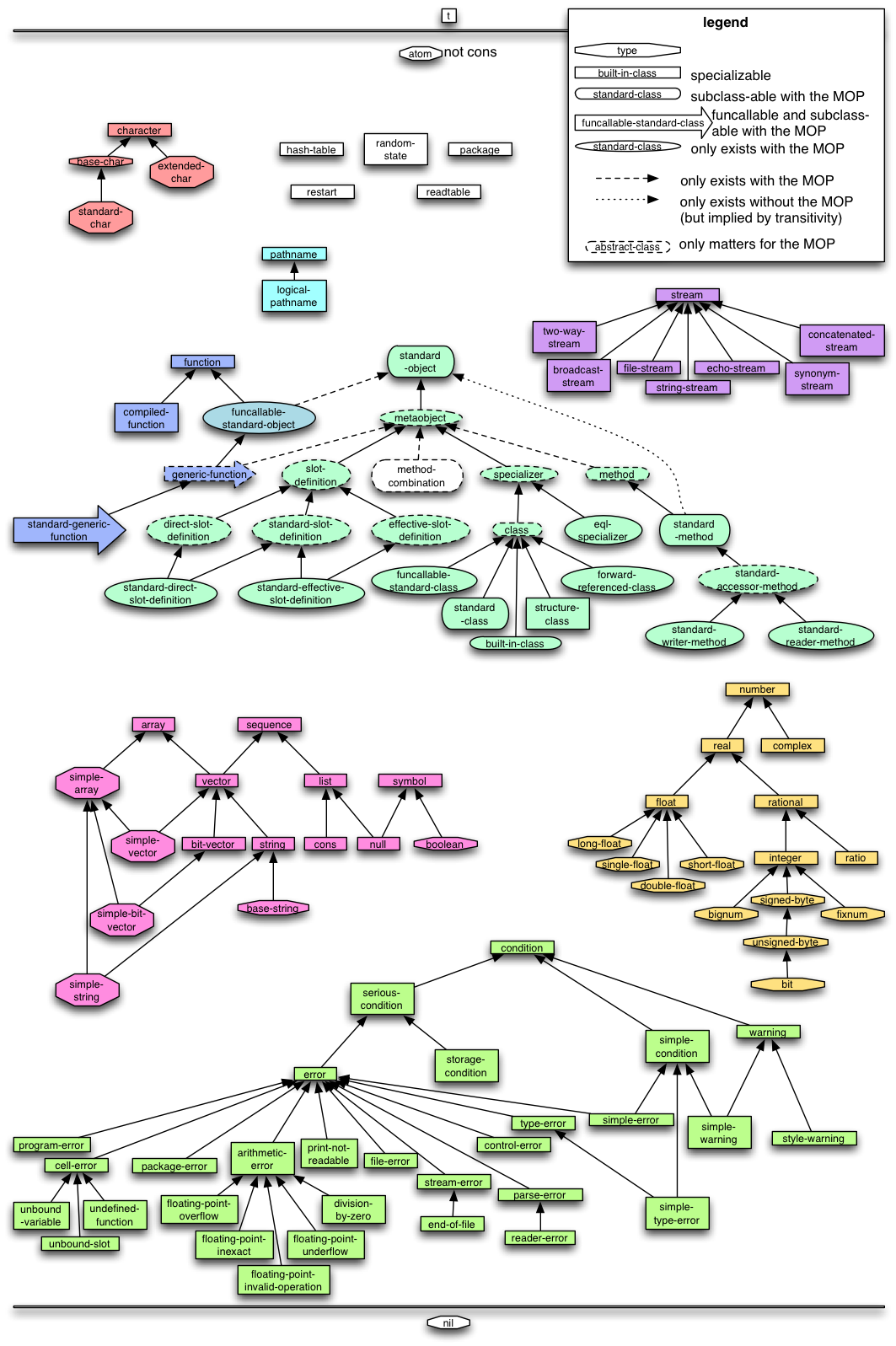
Earlier quoted context omitted.
Hmmm. I tried to convey the idea, without getting too bogged down in the details that don't per se matter on Day 1. I would be interested in any PRs you have to clarify the matter adequately for people just starting out.
A few remarks: 0. It's a hard problem. I have a deep respect for your trying to tackle it. 1. The hard part is that it all matters on day one and everyone will get a lot of stuff wrong for a long while and some stuff wrong always when attempting non-trivial projects. This is the rule whether it's Python or Common Lisp or Racket. 2. I'm a fan of polyglotting languages in general and Lisp's in particular. For a person…
But what is typically lacking is how you go from just a Lisp environment to a development environment that lets you operate at a professional level. Articulate-lisp is intended to deliver the thumbnail of how to get that put together, along with assorted references to further study.
At the time I created it, there was nothing really suitable for pro development out there. I guess roswell and portacle are things now.
Training wheels aren't really my bag of things. I'm notorious for preferring to read the O.G. paper on subjects rather than work through tutorials and simplified whatsits. But giving all the data at once doesn't provide the map of the territory that newbies crave.
There's no Royal Road to Lisp... or geometry. But a map to get you to where you're going does exist for geometry, and Lisp, I think deserves one too.
If that-all makes sense.