Live data from Hacker News

Subject: Airbnb (2011)

paulgraham.com

101–110 of 165 posts

Re: Subject: Airbnb (2011)

#101
This is just from memory. Correct me if I’m wrong.

2005: mobileride.com in Boston, phone-based ridesharing with voluntary cash exchange, shut down in 2006 with regulatory warnings

2006: zipcar hires some of mobileride team and enters rideshare business with shared zipcar rentals among BU students

2007: zimride starts with pre-arranged rideshare at Cornell, works with campus transportation directly to keep it legal.

2007: google rides opens as a platform for several tiers of ride hailing services, dominates the market and then shuts down in 2010

2010: Uber starts in NYC as high-end livery, not sure if they got the license or not, but tweaks business model to have many on-demand part-time drivers instead of full-time, but pays much better portion of fare.

2012: Sidecar in San Francisco allows anybody to accept rides and mobile payments but calls them gratuities instead of fare. Regulators show their will to inaction. Uber responds with massive push into taxi services, completely flouts regulation, and Zimride births Lyft to do the same. CALPERS is rescued from bankruptcy by investment in AirBnB and Uber.
Re: Subject: Airbnb (2011)

#102
post #54
post #53

Earlier quoted context omitted.

Semantics. I respectfully disagree. Being alive, and living at a place are two completely different things. By your definition, I've lived in 12 countries this year. I haven't.

It's not semantics. It's a simple question: if someone doesn't have a current lease in a particular place, where do they live? Particularly for the purposes of enjoying the privileges that everyone in this thread is claiming they deserve by dint of living in NYC (ie, artificially controlled rent prices such that the rest of us can't utilize the economic opportunities in the city).

  It's a simple question
Google "Tax Residence" and you'll discover, while the question may be simple, the answer isn't :)

Re: Subject: Airbnb (2011)

#103
I would be very curious to see what barriers to entry AirBnB has developed vs. say, Uber. While both are marketplaces, Uber benefits tremendously from understanding traffic patterns, from seeing how people ride, from being able to give drivers the option of traveling certain directions, etc. All of that data is worth billions of dollars and not easily discovered, and technically quite challenging to gather and exploit.

From what I can tell, AirBnB has a brand and a web application. Technically, I can't imagine the latter is more complicated than the average e-commerce site delivered at scale. I am having trouble understanding how big data can create an advantage (maybe to help owners price their rentals?). If a competitor pops up, there's no reason owners can't list on multiple sites without facing any penalties.

AirBnB is not a company I'd invest in for the long term, while I would invest in Uber/Lyft. So, what am I missing?

Re: Subject: Airbnb (2011)

#104
post #7

It is interesting to see how PG is selling this to Fred. This is exactly the kind of people you want to work with in a startup. People who believe in you and are not afraid to show it.

Love his passion. I know it's possible PG himself missed out on a startups by convincing people not to invest in a simialr way, but the fact that he's not afraid to express his opinion is just as useful.

Re: Subject: Airbnb (2011)

#105
post #27

Something I often notice when people complain about AirBNB being a problem in their city- Their city has 'peaked' like a star Quarterback in High school. In my city which is experiencing growth, I find my AirBnB guests are often business travelers who are infulencers in their respected communities. There are some exceptions like college kids on summer vacation trying to hook up away from their parents house- but most…

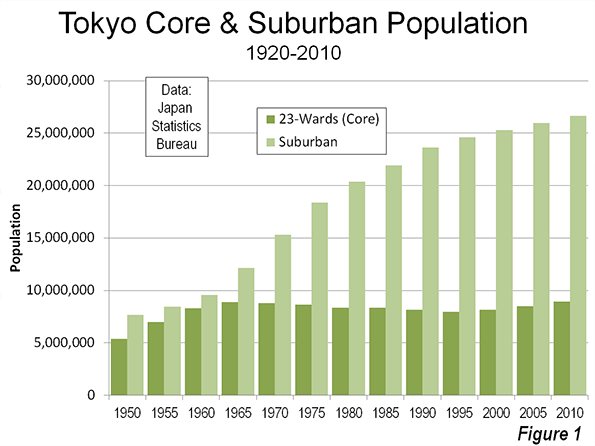
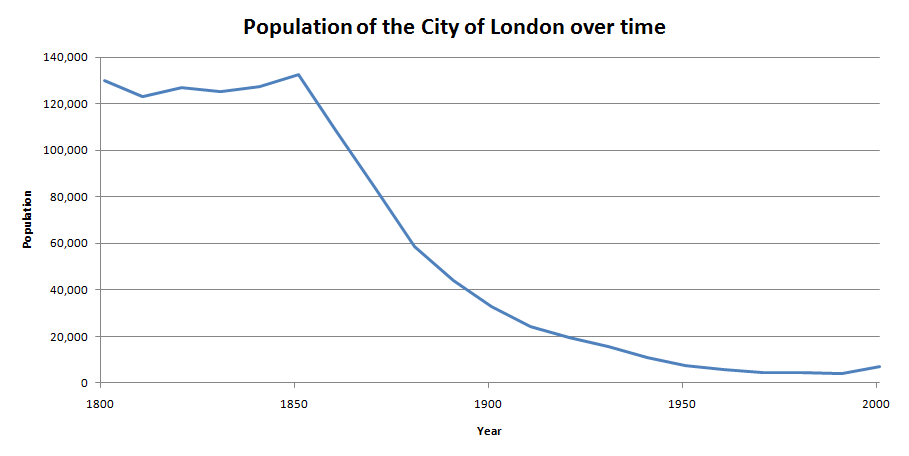
Right. New York, London, Paris and Tokyo have all "peaked".

Manhattan, London, and Paris all peaked in the early- to mid-20th century.

Manhattan: https://urbanomnibus.net/2014/10/the-rise-and-fall-of-manhat...

Paris: https://www.parisinsidersguide.com/population-of-paris.html

London: https://www.washingtonpost.com/news/worldviews/wp/2015/01/07...

City of London: https://upload.wikimedia.org/wikipedia/commons/f/f6/Populati...

Tokyo is probably approaching peak: https://proxy.duckduckgo.com/iu/?u=http%3A%2F%2Fjapanpropert...

Tokyo Core: http://www.newgeography.com/files/cox-tokyo-1.png

Re: Subject: Airbnb (2011)

#106
post #25

> Our two junior team members were enthusiastic > The three "old guys" didn't get it I think that's the main reason why they passed on Airbnb. The VCs themselves were too far away from the initial target market, and could neither relate with the "airbed and breakfast" user base, nor see how it could scale.

I imagine that if the same group debated the appeal of staying in hostels the outcome would have been similar.

Re: Subject: Airbnb (2011)

#107
post #94
post #75

Earlier quoted context omitted.

There are no questions about the history. What I am claiming, is that startups became much more widespread in the years since 2005, after the YC model was introduced.

And that claim is false. https://www.inc.com/magazine/201505/leigh-buchanan/the-vanis...

The U.S. Startup Barometer paints an entirely different view[1]. Nevertheless, I am talking about the entire world, not a single country.

[1] https://www.bloomberg.com/graphics/startup-barometer/

Re: Subject: Airbnb (2011)

#108
post #60
post #56

Earlier quoted context omitted.

There should be a new word for this type of gentrification.

People refusing to stay in the locality and socioeconomic conditions of their birth place, and instead exploring the world and learning about its people, is gentrification now? The amount of NYC-born privilege being waved around in this thread is astounding. I have paid, in many ways, for NYC my whole life. It's my city too, even though I wasn't born there. I identify with its culture. I know its geography and social…

If we have to make the choice I think it is reasonable to privilege the concerns of people who live in a place year-round over those visiting for a week.

Re: Subject: Airbnb (2011)

#109
post #50

Earlier quoted context omitted.

Well, we don't all agree that the changes are tantamount to "damage", first of all. I'd wager that anybody who suddenly had an illegal hotel running out of her neighboring appartment will very strongly disagree with that statement. Unless you personally made that experience, in a house where parties live for 30 years+, you are not aware what a massive impact this can have on your quality of life. Since I've been ther…

As I said, I think it's time to question whether an environment such as NYC is a realistic place to live for 30 years+ - is that sustainable for our species? I think that the availability of short-term housing in NYC in particular is a net benefit for society, even if it adds an uncomfortable dose of reality for many people who had the extreme privilege of growing up there.

Generation after generation of people have lived in the same locality for about as long as we've had agriculture so I'd say it is pretty sustainable. I think it's odd that a jet-setting tourist should be lecturing the locals about their "extreme privilege."

Re: Subject: Airbnb (2011)

#110
post #86

Earlier quoted context omitted.

> Airbnb, like Uber, took advantage of regulatory inefficiencies instead of market inefficiencies. How quickly we forget... There were huge inefficiencies and Uber was an order of magnitude better than what we had. Getting a taxi was difficult and unreliable. Ask anyone who used to use them in SF. Uber was like magic in comparison.

Part of what I wonder is how much worse the experience would really be if you were using an app to hail a yellow cab.

Just like when you'd call in dispatch they might come or they might not. Who knows.
Post reply on HN