The sun sips the sky until it is drowning
I am circling my prey
If I am strong, the world will finally let us be
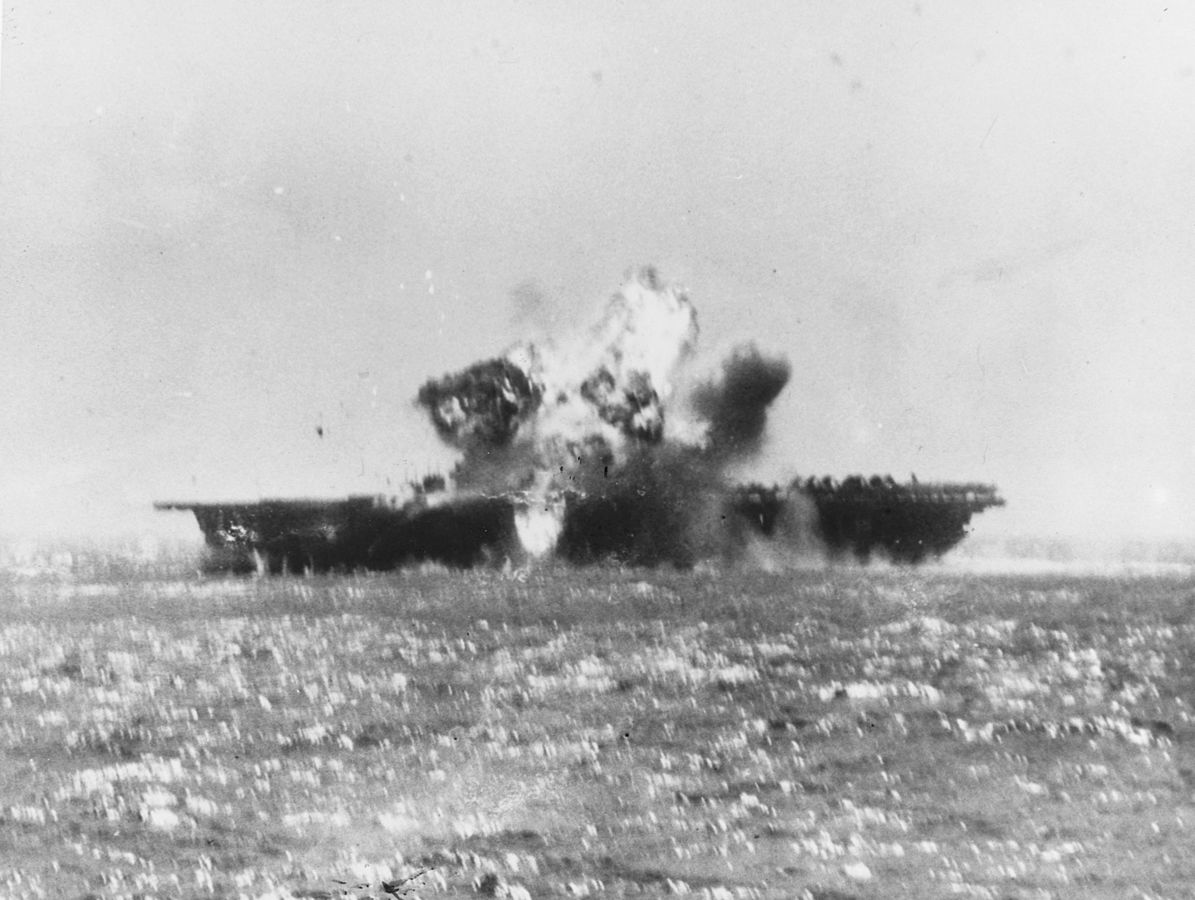
https://pearlharbor.org/wp-content/uploads/2023/03/USS-Essex...
11–20 of 51 posts
I am circling my prey
If I am strong, the world will finally let us be
https://pearlharbor.org/wp-content/uploads/2023/03/USS-Essex...
Death is apparently snowy
the dead alone know peace.
Life is but melting snow.
~~
Having a mental illness and being homeless I sit with my life now and let it melt. I know death is coming so I just let it come. I tried to force death to come twice, but I found that suffering is really no different that joy.
I live in a van right now so I am upper class homeless but soon I may be totally shelterless. Part of me is looking forward to it. Through the last ten years, moving from riches to rags, all my past attachments, all I can do is laugh at myself. There is such a weird liberation in inescapable suffering and I hope you all get to experience it someday.
I only know a tiny corner of the language, but for things like this I really wish they'd cite the original Japanese. Precisely because the haiku is a constrained form, it is also an opportunity for ambiguity, double-meaning, and cases where a word may be translated with the same semantics but different connotations. By comparison, the gold standard for dealing with non-English poetry in English: https://www.perseus.t…
The original Japanese of the first poem is:
おほけなき床の錦や散り紅葉
The translation on the site:
> I am not worthy > of this crimson carpet: > autumn maple leaves.
This contains the translator's interpretation, and the sound and intonation are completely lost. I admire the translator's effort, but I want visitors to understand how much this differs from the original.
I only know a tiny corner of the language, but for things like this I really wish they'd cite the original Japanese. Precisely because the haiku is a constrained form, it is also an opportunity for ambiguity, double-meaning, and cases where a word may be translated with the same semantics but different connotations. By comparison, the gold standard for dealing with non-English poetry in English: https://www.perseus.t…
Original Kanji - hiragana works: おほけなき床の錦や散り紅葉
How it sounds: Oh ke naki Yukano nishikiya chiri ko yo
    Don’t just stand there with your hair turning gray,
    soon enough the seas will sink your little island.
    So while there is still the illusion of time,
    set out for another shore.
    No sense packing a bag.
    You won’t be able to lift it into your boat.
    Give away all your collections.
    Take only new seeds and an old stick.
    Send out some prayers on the wind before you sail.
    Don’t be afraid.
    Someone knows you’re coming.
    An extra fish has been salted.
from The Five Invitations: Discovering What Death Can Teach Us About Living Fully by Frank Ostaseski
are mere delusion—
death is death."
Hardcore
I only know a tiny corner of the language, but for things like this I really wish they'd cite the original Japanese. Precisely because the haiku is a constrained form, it is also an opportunity for ambiguity, double-meaning, and cases where a word may be translated with the same semantics but different connotations. By comparison, the gold standard for dealing with non-English poetry in English: https://www.perseus.t…
I am a native Japanese Original Kanji - hiragana works: おほけなき床の錦や散り紅葉 How it sounds: Oh ke naki Yukano nishikiya chiri ko yo
Death is apparently snowy
I don't know whether there is a specific japanese cultural explanation, but in general it often was. In winter when it was cold, those who lacked the strength to go on, layed down in the snow to rest forever.
The moment when the most you can do is less than the least you need to do, you die.