Live data from Hacker News

What I Learned from Researching Coding Bootcamps

medium.com

11–20 of 72 posts

Re: What I Learned from Researching Coding Bootcamps

#11
But do bootcamps train people to program well?

The metrics they measure against are money and job based. Which gives me the impression that we either don't know how to determine if people know how to program, or that no one really cares. We need some kind of standardized test or similar. I know of the Advanced Placement CS exam[1], but we need something more practical and not focused on a particular language.

[1] https://apcentral.collegeboard.org/courses/ap-computer-scien...

Re: What I Learned from Researching Coding Bootcamps

#12

I worked with a large group of a local graduates from a well-known coding camp. The results were horrible. They would submit a lot of pull requests, but upon review it became very apparent that documentation was not being consulted resulting in unnecessarily hacky solutions. The reason: programming by trial and error. In the face of that, the only thing I could do is: give them the benefit of the doubt by asking them…

I'm helping my husband run a mini bootcamp. We focus on collaboration from the first day so they don't develop any bad habits and appreciate the value of feedback from code reviews. We do a lot of whiteboarding to make sure students have a solution well thought out before writing code. Our motto is "Think twice, code once."

Re: What I Learned from Researching Coding Bootcamps

#13
post #2

Good article (yet to read the paper). I believe learning of software development is a glance at the future of education. Diverse paths for diverse people. A myriad of options: college, bootcamps, internet; free, cheap, expensive; lectures videos, tutorials, documentation, blog posts, coding in the browser; teachers, tutors, colleagues, coworkers; templates, boilerplates, open source. I think all of it is wonderful. K…

The problem with self-guided learning are knowledge gaps. When you are learning on your own you will be biased towards things that interest you more. But the boring stuff is as important in the real world. You can interview a candidate that can impress you with fairly advanced concepts described in depth. But you may feel disappointed if probing for gaps... Sometimes having gaps in certain concepts come with risks. A…

I'd rather someone have theory gaps, than toolchain gaps where the person googles how to do every other feature asked of them and ends up copy-pasting from stack-overflow in the interest of time.

If a project calls for knowledge in theory - hire one person who knows that aspect, and can either handle it, or teach it to others.

The rest should be people who know their craft. Finding those is hard enough.

Re: What I Learned from Researching Coding Bootcamps

#14
For people who are interested in a story (technically anecdata, I know, but I can't resist to chip in), here's mine.

I have taught a coding bootcamp 2 times now. The selection/recruitment of students -- not done by me -- was fairly loose in some cases. The only thing the bootcamp selection was strict on was that people completed their undergraduate degree (which is financially easier to do in Europe).

__Succesful Students__

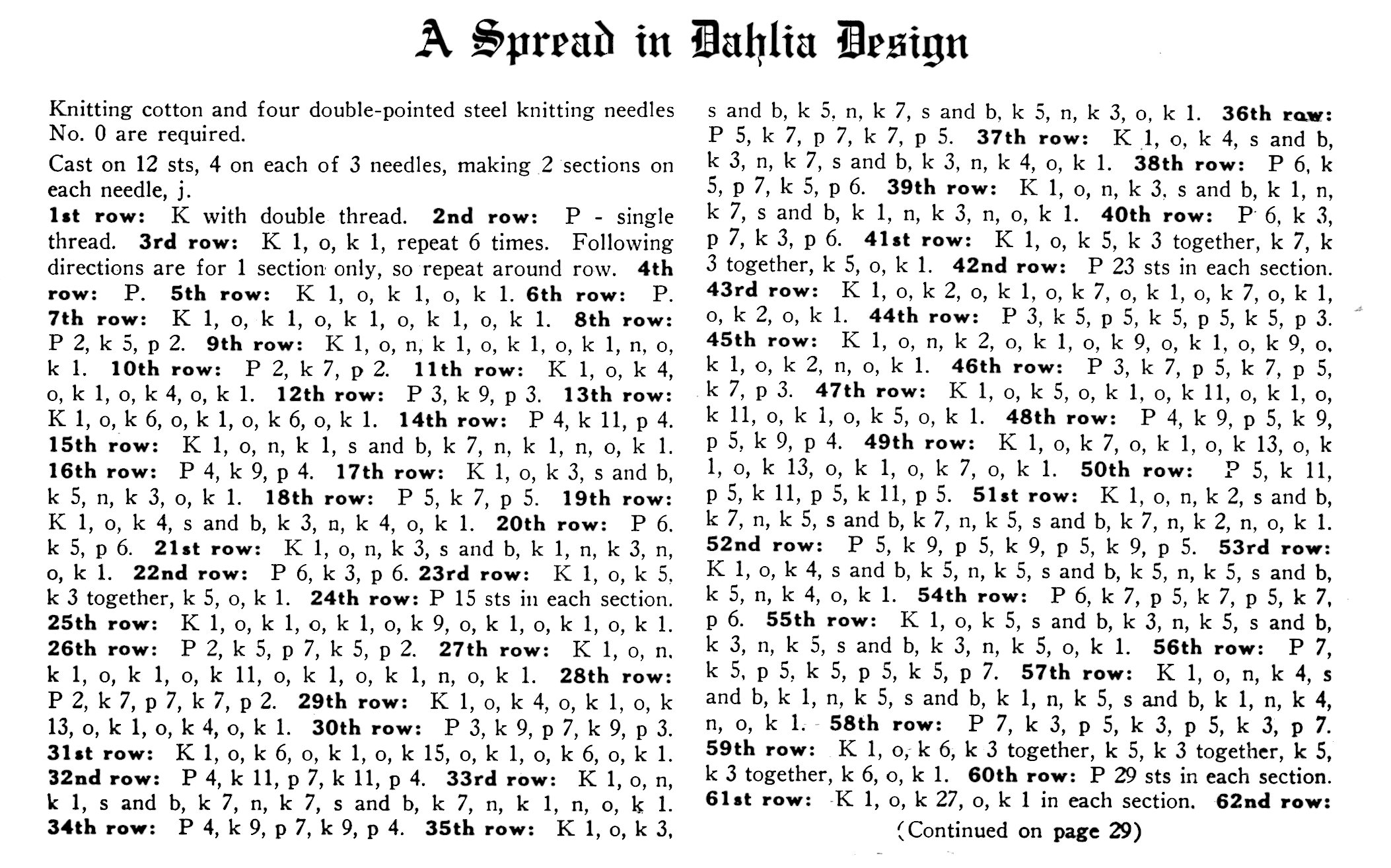
What I noticed is that there are people who will be successful. These people somehow have a strong background in logical thinking. It can be by doing predicate logic in philosophy courses, being data oriented from your biology studies or even being hardcore at knitting [1].

Another thing I've noticed is that they learn quick and won't ask a lot of questions. They will use a search engine and will only come to you with difficult questions. They know how they learn quite well -- at the very least.

The final thing I've noticed is their determination. Some people come to a coding bootcamp with the expectation of "fix me, I need a job in this industry." The most successful students don't take anything for granted and know that they need to learn everything they can get their hands on.

__Unsuccessful Students__

What I noticed is with students who aren't successful is that they don't think logical -- their attention/focus does not allow it unfortunately. They may or may not ask a lot of questions. And they will completely fail the bootcamp if they don't ask fellow students for help. Also interesting is that they did not learn the terms or basics well enough.

In one of my groups I've noticed that one of my best students was coaching one of the least successful students. It was intensive, and the explanations and questions were sharp. Yet, by my surprise, it didn't do much. At the end of the bootcamp the student was still one of the least successful students. It makes me believe that not everyone can do a coding bootcamp, since the right mindset is required to start one. Teachers can only help you when you're open enough to receive the knowledge. I don't know to what extent that idea is true, but I want to find out.

__Unsuccessful Students Becoming Successful Students__

I have seen not so successful students become quite successful. They had an insane amount of grit and understood how they needed to learn the material. Compared to their other unsuccessful counter parts (in the beginning at least), these students are more structured and disciplined.

__When To Take A Bootcamp__

Even for not-so successful students it can be a great tool, provided they self-teach 1 to 2 months after that. However, unfortunately, it is not for everyone. If you don't think in a logical fashion, learn fast then at the very least you need to make that up in determination -- or in time after the bootcamp. I feel a bootcamp is as tough as nails if a student only learned bullet points from presentation slides during their academic years. Programming is more akin to learning a music instrument (i.e. it takes practice), and not everyone has experience learning that way.

[1] (following knitting instructions is very algorithmic -- it's a whole new world if you've never seen it. Here is an example of a pattern: http://vintagecraftsandmore.com/wp-content/uploads/2012/07/V...
Re: What I Learned from Researching Coding Bootcamps

#15

I worked with a large group of a local graduates from a well-known coding camp. The results were horrible. They would submit a lot of pull requests, but upon review it became very apparent that documentation was not being consulted resulting in unnecessarily hacky solutions. The reason: programming by trial and error. In the face of that, the only thing I could do is: give them the benefit of the doubt by asking them…

For them - good enough is good enough. This is extremely common in organizations that are interested in profit over quality - which's why they hire fresh graduates in the first place.

Re: What I Learned from Researching Coding Bootcamps

#16

But do bootcamps train people to program well? The metrics they measure against are money and job based. Which gives me the impression that we either don't know how to determine if people know how to program, or that no one really cares. We need some kind of standardized test or similar. I know of the Advanced Placement CS exam[1], but we need something more practical and not focused on a particular language. [1] htt…

It's hard (not to mention highly subjective) to judge development skill. My guess is that it's in the same class of difficulty as the halting problem.

Re: What I Learned from Researching Coding Bootcamps

#17

But do bootcamps train people to program well? The metrics they measure against are money and job based. Which gives me the impression that we either don't know how to determine if people know how to program, or that no one really cares. We need some kind of standardized test or similar. I know of the Advanced Placement CS exam[1], but we need something more practical and not focused on a particular language. [1] htt…

I feel that they try, but bootcamps won't always succeed. It depends on the student. For quite a number of students the bootcamp format isn't the right one, in my opinion. This is when I regard training students as good programmers. If it is regarding getting a job, then a coding bootcamp is suited for a lot more students. Not every company needs a programmer. A lot of companies that I've seen come by, need people who are able to do some programming and some web-design.

Re: What I Learned from Researching Coding Bootcamps

#18
I used to teach front-end development at a bootcamp several months ago. What once was a great opportunity to share my 15 years of experience with various startups and fortune 500 tech companies ended up being a nightmare with management.

First and formeost, I liked most of my students. They came from all kinds such as: Background Actors, wives of programmers, students, military veterans, teachers, and a hodgepodge of characters. They were eager to learn a step-by-step procedure of HTML, CSS, and Javascript Fundamentals with a bit of web design elements.

What struck me as odd was the President/Founder of the bootcamp first hired me to do my job and observe the videos of what their past instructor did. So I did and found out he was too aggressive in his approach to teaching his students. He was talking too fast and went off in some awful tangents that wasn't on the itinerary. I told the founder, my boss at the time, about what changes I could do to make it less aggressive and with a flowable and presentable approach to the fundamentals of front-end development and he agreed.

In my first five days, things went well. Then the boss wanted me to stick with the previous itinerary while forcefeeding javascript trends in one week. It wasn't enough to teach them basic syntaxes, array methods, loops, and other things I learned in 1 year of CS studies (I finished my undergrad in Economics). He wanted me to feed AJAX, jQuery, Angular, and APIs with javascript in one week. I hesitated at first, but he insisted as his "board of directors" feel this would give my students a reason to keep buying more advanced courses in the school I don't want to give out.

I find out the real reasons for my services to my students is to not just give them a new career perspective, but to also have the boss read the idea proposals his students have as startup ideas and he would be the bridge to their funding. Except, he's the end of the bridge as an angel investor looking to own a huge chunk of their startup property before he prepares his elevator speeches to real angel investors. An another thing is he's also aiming veterans for their GI bills to be spent at his coding school.

I left after a month. I felt dirty and icky just looking back at it.

Re: What I Learned from Researching Coding Bootcamps

#19
> I couldn’t work because I really needed to do job searching full time.

This is the part that don't quite understand. To me, the period when you search for jobs is exactly when you should be working as freelancer or working on side projects.

Working helps you get into the coding zone so that you are more prepared for coding sessions during interviews.

Working helps to add your resume and things to talk about when the interviewer asks "what have you been doing recently?".

Working should also be the natural next step to do after completing a bootcamp to put all the knowledge into practice.

I can't think of why it would need a full-time commitment to send CVs, practice algorithms and attend interviews.

Re: What I Learned from Researching Coding Bootcamps

#20

Earlier quoted context omitted.

The problem with self-guided learning are knowledge gaps. When you are learning on your own you will be biased towards things that interest you more. But the boring stuff is as important in the real world. You can interview a candidate that can impress you with fairly advanced concepts described in depth. But you may feel disappointed if probing for gaps... Sometimes having gaps in certain concepts come with risks. A…

I'd rather someone have theory gaps, than toolchain gaps where the person googles how to do every other feature asked of them and ends up copy-pasting from stack-overflow in the interest of time. If a project calls for knowledge in theory - hire one person who knows that aspect, and can either handle it, or teach it to others. The rest should be people who know their craft. Finding those is hard enough.

Not every upvoted or selected answer in StackOverflow is correct. And sometimes the questions themselves are wrong.
Post reply on HN