System Description: The Apple II (1977) [pdf]
1–10 of 11 posts
Re: System Description: The Apple II (1977) [pdf]
#2I wonder if Jobs wrote the copy on the Ad. It's brilliant.
Re: System Description: The Apple II (1977) [pdf]
#3 The Apple-II cassette interface is simple,
fast, and I think most reliable. The data
transfer rate averages over 180 bytes per
second, and the recording scheme is compatible
with the interface used with the
Apple- I.
Re: System Description: The Apple II (1977) [pdf]
#4The Apple-II cassette interface is simple, fast, and I think most reliable. The data transfer rate averages over 180 bytes per second, and the recording scheme is compatible with the interface used with the Apple- I. Note that this is almost as fast as the floppy disk drive on the Commodore 64. This is why people remember Woz but not the anonymous engineer(s) behind the 1541 disk drive.
To be fair, the C64 slowness was due to a mistake:
http://www.lemon64.com/forum/viewtopic.php?t=52439&sid=660bd...
Re: System Description: The Apple II (1977) [pdf]
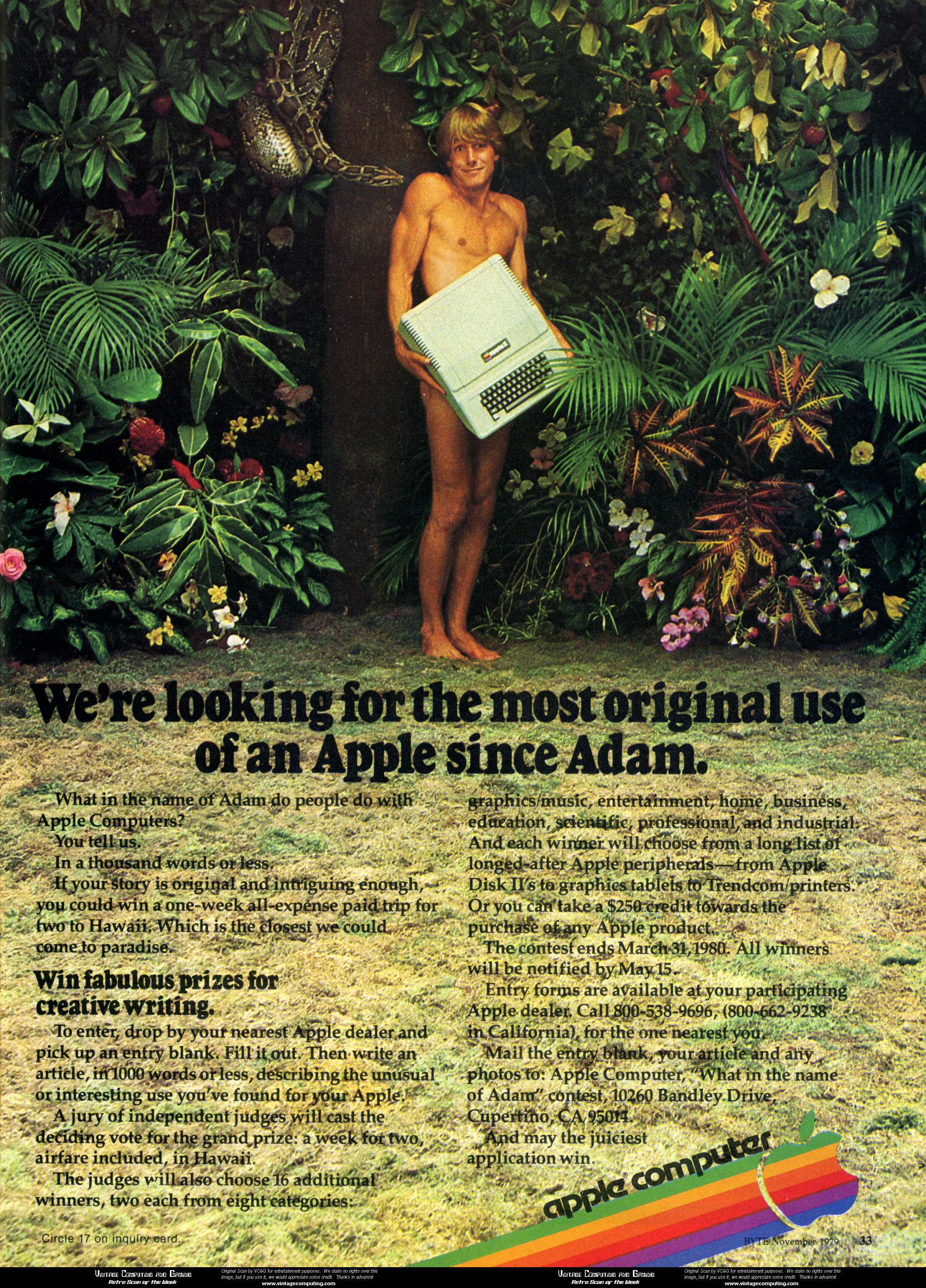
#5I wonder if Jobs wrote the copy on the Ad. It's brilliant.
How about this one? http://www.vintagecomputing.com/wp-content/images/retroscan/...
Re: System Description: The Apple II (1977) [pdf]
#6This computer beats the one I programmed in high school. 12 years after this ad ran.
Re: System Description: The Apple II (1977) [pdf]
#7The Apple-II cassette interface is simple, fast, and I think most reliable. The data transfer rate averages over 180 bytes per second, and the recording scheme is compatible with the interface used with the Apple- I. Note that this is almost as fast as the floppy disk drive on the Commodore 64. This is why people remember Woz but not the anonymous engineer(s) behind the 1541 disk drive.
To be fair, the C64 slowness was due to a mistake: http://www.lemon64.com/forum/viewtopic.php?t=52439&sid=660bd...
Interesting! That's a great post. I knew they were using an IEEE-488 derived bus, but I wasn't aware of all the dirty laundry.
Woz's disk OS actually left a lot of low-hanging fruit on the tree as well, but at least the hardware wasn't burdened with so many legacy bottlenecks.
Re: System Description: The Apple II (1977) [pdf]
#8Anyone have a Breakout in, say, Javascript that's as short and clear as the example in Basic?
Re: System Description: The Apple II (1977) [pdf]
#9woman on the kitchen 70's cliché propaganda
Re: System Description: The Apple II (1977) [pdf]
#10Great to see this again. The description at the time of the video hardware is important. My first computer, purchased around four years later, also had a 6502 and memory mapped video. Unlike the Apple, it did absolutely nothing to interleave the video memory access - if the CPU accessed the video RAM, there would be a momentary black horizontal line on the screen. Many of the Apple II's competitors were the same.