> a reputable source News reporters and editors have their biases. Book authors have their biases. Scientists and research papers have their biases. Search engines have their biases. Google too. All human-created systems have biases shaped by the environments, social norms, education, traditions, etc. of their creators and managers. So, the concepts of "objective truth" and "reputable" need to be analyzed more critic…
This is an insightful comment, but I feel like you omit the fact that LLMs often give out verifiably false information that can hurt the user or other people. It is true that this also happens on the Internet, but! When I encounter an article about a topic and it is clearly LLM generated, I can expect it doesn't contain much valuable information, only rehashes of what is already out there. On the other hand, when it…
But a redeeming quality is that we can ask the same LLM to fact check its own answer step by step in real time with little effort. They often identify their own hallucinations and reduce the probability of retaining that mistake in the rest of the conversation.
This isn't easy with human sources. The effort to fact check without LLMs or ask the sources to fact check themselves are both higher. So it's often not done at all.
We also often ignore subtle but very common biases in human media sources [1], which create other types of errors like omissions and euphemisms which have been no less harmful than LLM hallucinations. The case of the Iraqi WMDs of Iraq and the NYT's dispersal of that disinfo, for example [2].
Regarding valuable information and rehashing, we probably shouldn't equate between all the things LLMs can do, and AI-generated articles. The quality of the latter may be entirely due to the lack of interest, attention, and cost concerns of whoever generated the article. Anecdotally, I have often found valuable knowledge and obscure connections by using deep research tools with careful prompts.
Lastly, if you're frequently finding something new from human-written sources, and LLMs are being trained on most of those same sources, isn't it logical that the latter will also likely output that same information?
This is why I feel human and AI sources are probably best used as complementary tools. Neither set of sources are perfect but each set has its strengths. By using both, we can get closer to an objective truth than using only one of them.
[1]: https://gipplab.uni-goettingen.de/wp-content/uploads/2022/04...
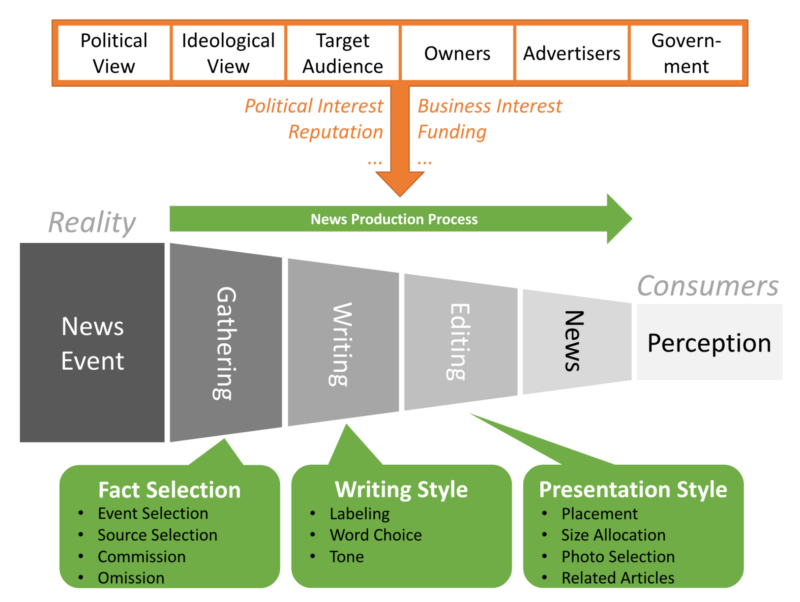
[2]: https://www.theguardian.com/media/2004/may/26/pressandpublis...